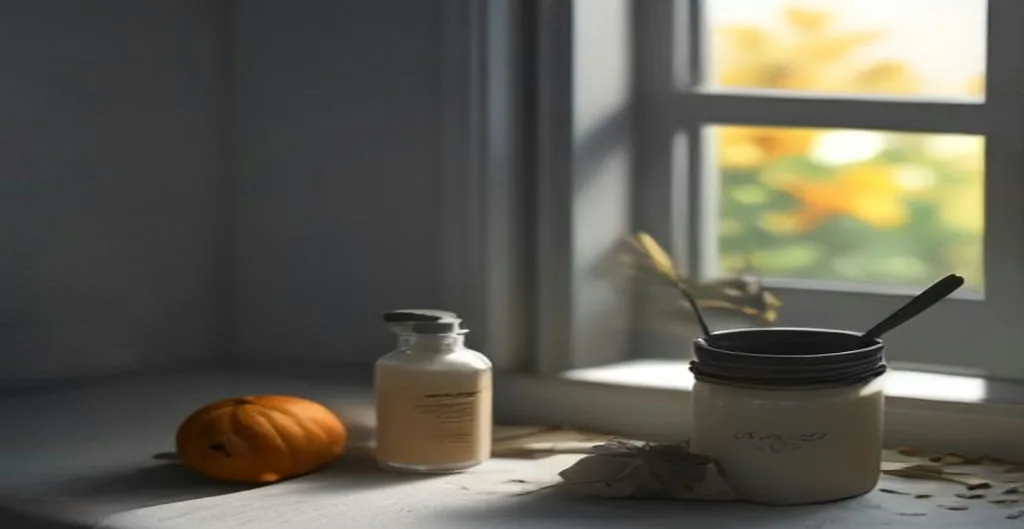
Autumn is a season when our skin requires extra support. Discover practical tips that will help maintain its hydration and protect it from harmful elements.
Autumn brings changes in temperature, humidity, and light intensity, affecting our skin's condition. In this article, we offer proven, practical tips tips that will help keep your complexion healthy and comfortable.
Try our tool: Articles in this section.
Why does skin need different care in autumn?
Skin requires a different approach because air humidity decreases and temperatures drop.
In cooler weather, the skin's lipid layer can weaken, leading to faster water loss. This results in a feeling of tightness, dryness, and irritation. Therefore, it’s essential to adjust your skincare routines to the new conditions.
At the same time, shorter days and reduced sun exposure can diminish natural vitamin D production, which indirectly impacts skin regeneration. Therefore, it's worth paying attention to supplementation and diet to support repair processes.
What environmental changes influence skin condition?
The main factors are lower temperatures, dropping humidity, and more intense indoor heating.
Central heating, which operates at full capacity during colder months, dries the air in homes. The skin, being in constant contact with such an environment, loses moisture faster than in the summer. Therefore, it’s wise to invest in an air humidifier or place a bowl of water near the radiator.
These changes can exacerbate symptoms of sensitive skin, such as redness or flaking. Regular humidity measurements at home (ideally 40–60%) will help monitor conditions and allow for appropriate adjustments.
What basic care steps should you incorporate?
Key steps include cleansing, moisturizing, and protection – three pillars that should become an integral part of your daily routine.
Start with a gentle yet effective facial cleanser. It’s advisable to choose gels or foams with a neutral pH that won’t disrupt the protective barrier. After cleansing, immediately apply a hydrating toner to restore pH balance and prepare the skin for subsequent products.
Next, apply a rich moisturizing cream containing ceramides, hyaluronic acid, or natural oils that help lock in moisture. Finally, during the day, use a sunscreen with SPF 30 or higher, even on cloudy days, to protect against harmful UV radiation.
For more details on a simple approach to skincare, see the article Skin Care Step by Step: Simple Minimalism.
Which active ingredients support regeneration during the cooler days?
The most recommended ingredients include ceramides, hyaluronic acid, and antioxidants such as vitamin E and plant extracts.
Ceramides strengthen the lipid barrier, which is crucial during periods of low humidity. Hyaluronic acid draws water into the epidermis, providing long-lasting hydration. Antioxidants neutralize free radicals that may arise due to temperature changes and pollutants.
It's also beneficial to consider products containing niacinamide (vitamin B3), which improves skin elasticity and soothes irritation. If you are using retinol, limit its application to 1–2 times per week to avoid excessive irritation.
For more on combining ingredients, see the guide Retinol, Acids, and Vitamin C — How to Combine Without Irritation.
Is it beneficial to use masks and peels during the transitional period?
Yes, but you should select gentle formulas and use them sparingly.
Clay-based masks, such as green or white clay, can help cleanse pores and enhance the skin's radiance. It’s important not to leave them on the face longer than recommended, as they can dry out the epidermis. For those with dry skin, hydrating masks with aloe, honey, or hyaluronic acid are preferable.
Enzymatic peels or gentle acids (e.g., lactic acid) are safer alternatives to traditional mechanical peels, which could irritate sensitive skin during the cooler months. Use them every two weeks, and always moisturize the skin afterward.
How can you protect your skin from moisture loss at home?
The most effective solution is maintaining proper indoor humidity and regularly using moisturizing creams.
Using an air humidifier is a simple way to raise humidity levels indoors. Alternatively, you can place several bowls of water near radiators. Additionally, it's worthwhile to pay attention to cream ingredients – it's best to choose those that create a protective film on the surface, e.g., with simethicone.
Don’t forget about hand protection – frequent washing and using disinfectants can lead to dryness. A rich hand cream applied after each wash will provide long-lasting moisture.
If you’re seeking additional inspiration, you can check your tarot online – a brief symbolic reflection can help maintain a positive mindset during your daily routine.
FAQ
Can the same cosmetics be used in winter and autumn?
Not always – changes in temperature and humidity may require adjustments to product ingredients and consistency.
How often should you perform a peel during the transitional period?
It is recommended to perform a gentle peel once every two weeks to avoid irritating sensitive skin.
Is sunscreen necessary in autumn?
Yes, UV radiation is present year-round, so sun protection remains important.
What dietary habits support healthy skin in autumn?
It's advisable to increase the intake of beta-carotene-rich vegetables and healthy fats, which help maintain the lipid barrier.
Sources
- Ezostylia — editorial — a description of the platform's tools and sections. Link