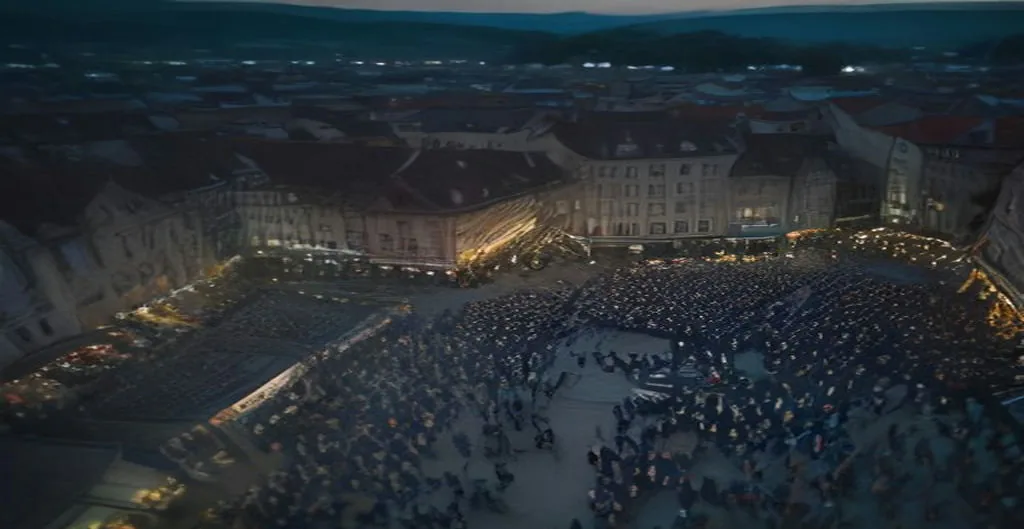
Smart travel tips to steer clear of overtourism while showing respect to destinations. Practical advice on trip planning, budgeting, packing, and embracing slow travel.
Overtourism: how to avoid adding to the issue
Overtourism doesn't commence with large crowds on a well-known street. It begins much earlier, in your travel planning, transportation choices, sightseeing schedules, and even in whether you choose accommodation in a location already overwhelmed with tourist traffic. If you wish to travel with awareness, it's not about giving up trips, but about making more mindful choices. Decisions that support local communities, lessen the pressure on popular sites, and make your journey more peaceful, affordable, and genuinely enjoyable.
At Ezostylia, we embrace a broad perspective on travel, as it's a domain for everyone. Here, you'll find practical, inspiring, and responsible content, along with tools for enhanced trip organization. If you're interested in exploring more travel topics, be sure to check out the travel catalog and the blog, where you can dive into planning, destination suggestions, and positive habits for your journey.
What overtourism truly is and why it also concerns you
Overtourism arises when the number of visitors begins to surpass a location's capacity, its infrastructure, and its community. The implications are well documented in reports from public institutions, including the OECD and the European Parliament. The issue doesn't solely affect the largest cities; it can also be found in small towns, parks, lakeside areas, historic centers, and regions recognized as places of power, meaning spaces that are particularly frequented due to their cultural, scenic, or symbolic importance.
If you're planning a visit to a popular area, your individual choices make a difference. One person may not change everything, but thousands choosing the same times, spots, and routes certainly do. That's why responsible travel starts with a simple question: Can I visit that location in a manner that alleviates pressure rather than exacerbates it?
Planning a trip devoid of crowds—knowing when to travel, where to stay, and how to navigate
Good trip planning is one of the most effective methods to minimize your personal tourist footprint. Begin with choosing the right date. If possible, opt for weekdays, the shoulder season, or less conventional sightseeing hours. In busy locations, the difference between early morning and noon can be significant, both for your comfort and for the locals.
The second decision pertains to your accommodation base. Instead of lodging directly in the most crowded area, consider nearby towns. This often aids in dispersing tourist traffic and supports businesses outside the city center. In practice, it's also more convenient, as it's easier to find a quieter space, a better price, and foster a more authentic connection with the region.
The third component is transportation. According to the European Environment Agency, transportation contributes significantly to tourism-related emissions, so whenever possible, choose more efficient options. Trains, buses, shared rides, or cycling for local distances are often wiser choices than taking multiple short flights. While you can't always avoid flying, you can certainly reduce the number of transfers, shorten weekend trips, and plan your routes carefully.
A practical tool can be quite beneficial here, such as the Polish travel planner, where you can log your accommodations, transport, schedules, and daily highlights. If you want to check distances and travel times, consider using your own trip route calculator, even a simple spreadsheet or mapping app. This not only saves time but helps avoid chaotic movement between overcrowded locations.
How to travel responsibly without overspending
Many travelers believe that ethical choices have to be more costly. This isn't always the case. In practice, the phrase how to travel without overspending often aligns with responsible travel. Booking in advance, selecting less crowded dates, and dining in places frequented by locals instead of only at spots near major attractions generally enhances your budget and reduces pressures on the most commercial areas.
It's also wise to be aware of so-called hidden costs. The priciest aspects can include not just the ticket, but also airport transport, baggage fees, mandatory transfers, and extra city rides. The better planned your trip is, the fewer unexpected expenses you'll encounter. So, before you depart, compare:
- travel costs to and from your destination,
- accommodation prices outside the strict center,
- local transportation expenses,
- entrance fees for attractions,
- food options that support local establishments rather than just tourist chains.
This approach fosters a more serene trip. Fewer spontaneous decisions on the spot lead to fewer arbitrary choices, and subsequently, fewer impulses that can often overburden a single area.
How to pack for a lighter and smarter travel experience
Packing also influences how you travel. If you're pondering how to pack practically for a journey, consider lightness, multifunctionality, and minimizing single-use purchases on-site. Lighter luggage means less stress, easier transport, and often less reliance on taxis or additional transfers. It's a genuine time-saver.
If your aim is a brief getaway, prepare a checklist of what to pack for a weekend.Typically, you'll only need one universal daytime outfit, one evening outfit, a basic toiletry kit, charger, documents, a reusable water bottle, and something for changing weather conditions. It's preferable to carry less and reuse items than to purchase unnecessary packs, bags, or accessories on-site simply because something was forgotten.
- Check the forecast and adapt your clothing to the conditions.
- Create a list of essential items before you begin packing anything into your suitcase.
- Opt for reusable products like a water bottle, utensils, or a small container.
- Leave room for items you genuinely want to bring, not for impulse purchases.
It may sound trivial, but these small details curtail unnecessary consumption during your trip. Less consumption often leads to reduced pressure on local shops and attractions that are operating at capacity.
Places of power worthy of respectful visitation
Places of power attract not only because of the landscape, but also due to the atmosphere, history, and significance for local identity. That's why they deserve special attention. If you visit such a place, don't treat it merely as a backdrop for photos. Instead, check the entry rules, restrictions, hours, local customs, and recommendations for getting around the area.
In practice, responsible behavior is quite simple. Stay on marked trails to protect nature. Keep noise to a minimum in culturally significant spaces. Don't leave trash or take stones, plants, or natural souvenirs. If an area is heavily trafficked, consider an alternative spot in the region. Sometimes a lesser-known trail, a smaller village, or a local museum can provide a richer experience than the usual guidebook recommendations.
Responsible travel also embraces curiosity without entitlement. Not everything needs to be Instagram-ready. Often, the most valuable experiences come from a leisurely walk, observing your surroundings, and engaging in conversation with locals. Such slow travel approaches help alleviate the pressure of 'must-see' destinations and shift the focus from merely checking off attractions to truly immersing in the place.
Slow travel as an antidote to overload
Slow travel isn't just a trendy slogan without meaning. It's a practice that enables better dispersion of tourist traffic and allows for a deeper connection to a place. Instead of rushing to see five attractions in one day, you might choose to focus on two. Rather than hurrying from one spot to another, you can pause for a coffee, take a walk, visit a local market, or have a conversation with someone who knows the area better than any map.
This travel model has several advantages. First, you use intense transport less. Second, you spend money more locally and calmly. Third, you more easily notice the limits of a place, i.e., when it's worth skipping another point and giving space to both yourself and the surroundings. As a result, your trip is not only more ethical but also less exhausting.
If you want to start with a small change, pick one thing: travel outside the peak season, stay outside the center, skip one attraction per day, or take a shorter route. Even a small step matters when you repeat it consistently.
Practical pre‑trip checklist
Before you set off, review a short checklist. It helps reduce chaos and lowers the risk of inadvertently amplifying overtourism.
- Did you choose a date outside the biggest crowds?
- Did you check local rules and seasonal restrictions?
- Do you have a plan for arrival, accommodation, and local movement?
- Do you know where to eat and buy needed items locally?
- Did you pack only what you truly use?
- Did you leave space for free time instead of filling every point of the day?
If you answer yes to most questions, you're already one step closer to conscious travel. It's not about perfection, just direction. Every decision that lightens popular places and supports local rhythm is valuable.
Finally, remember that travel should serve experience, not just ticking off. A well‑planned route, sensible budget, light luggage, and respect for the place mean you add less to the problem and more to meaningful, calm tourism. That's what responsible travel is all about.
FAQ
How can I reduce my impact on overtourism during a short trip?
Choose a less crowded date, stay outside the strict center, use public transport, and visit places outside the peak traffic hours. Even a short trip can be more responsible.
Does slow travel always mean a longer trip?
Not always. Slow travel means a slower pace and greater mindfulness rather than the length of the trip. You can travel shorter, but plan the day more calmly and with fewer points.
How not to overspend on travel, without compromising quality?
Book in advance, compare total route costs, choose less obvious lodging locations and eat where locals eat. This often lowers expenses without dropping quality.
What to pack for a weekend, to avoid taking too much?
Take layered clothing, a basic toiletry bag, documents, a charger, a water bottle, and something for weather changes. It's best to prepare a list before you start packing.
Sources
UN Tourism, International Tourism Highlights, 2024.
European Parliament Research Service, Overtourism: impact and possible policy responses, 2018.
OECD, Tourism Trends and Policies, 2024.
UNESCO, Sustainable Tourism and World Heritage, 2023.
European Environment Agency, Transport and Environment Report, 2024.
The content has an educational character and does not constitute specialized advice.
Sources
- UN Tourism — International Tourism Highlights, 2024.
- European Parliament Research Service — Overtourism: impact and possible policy responses, 2018.
- OECD — Tourism Trends and Policies, 2024.
- UNESCO — Sustainable Tourism and World Heritage, 2023.
- European Environment Agency — Transport and Environment Report, 2024.