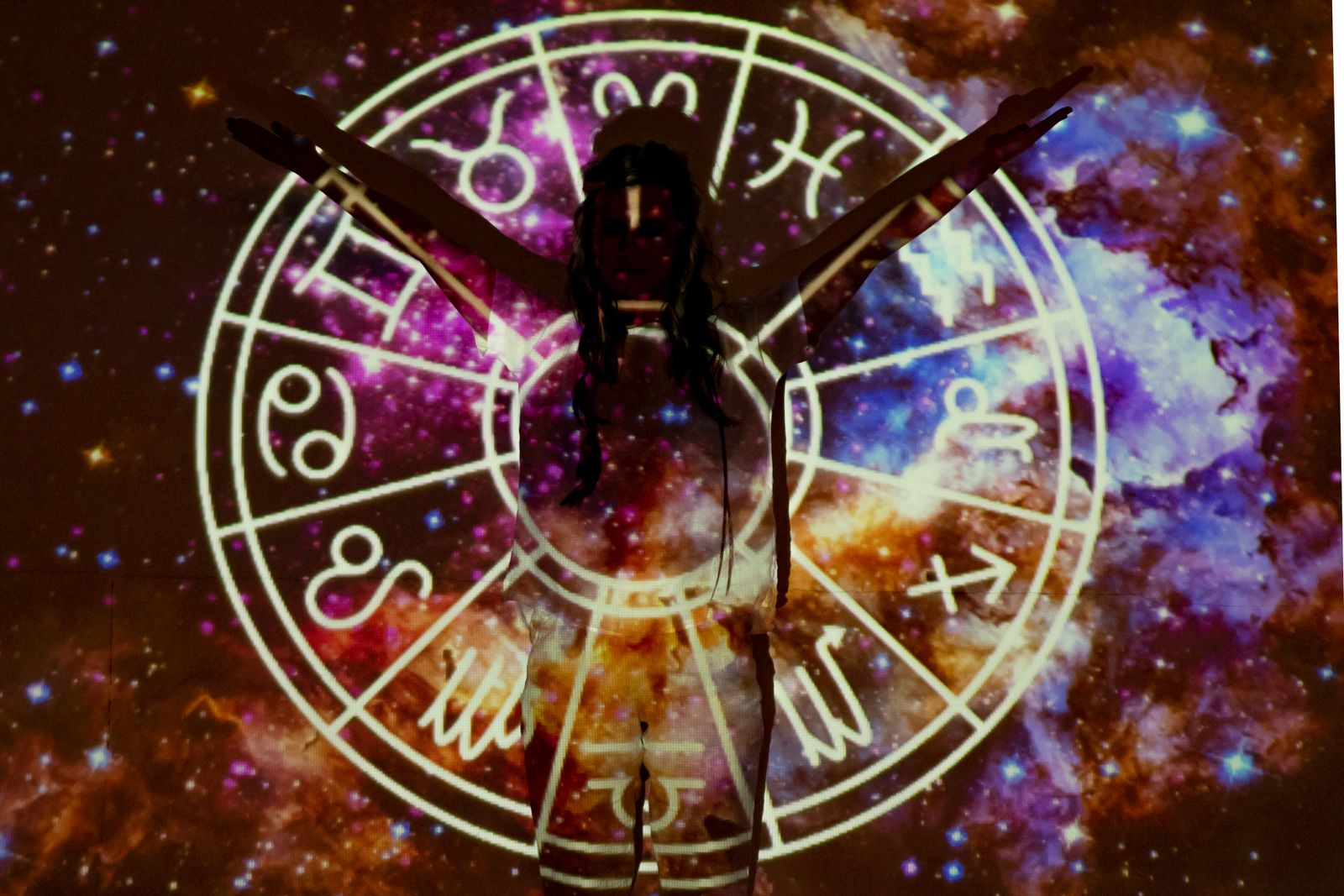
Past lives provide symbolic clues to the patterns, fears, and talents you carry today. Exploring reincarnation through reflection can help you understand yourself more deeply and live with greater awareness.
The concept of past lives has captivated people across cultures for millennia. Whether you see reincarnation as a literal truth or a symbolic framework, delving into the idea of soul memory can provide profound insights into who you are today. Exploring past lives isn't about proving you were Cleopatra or a medieval knight—it's about recognizing patterns, understanding unexplained fears or talents, and finding compassion for the journey your soul has undertaken.
In this article, we'll explore how to recognize potential signs of past lives, what karma truly means beyond the clichés, and how these concepts can assist you in living more consciously in the present. You'll find practical examples and a simple exercise to initiate your own gentle exploration.
What Are Past Lives and Why Are They Important?
Past lives refer to the belief that our soul has experienced multiple lifetimes in different bodies, times, and places. This concept is central to many spiritual traditions, from Hinduism and Buddhism to various New Age philosophies. If you're drawn to explore reincarnation, you're engaging with a rich history of human curiosity about existence beyond a single lifetime.
But why does it matter now? Because the idea of past lives provides a framework for understanding ourselves symbolically. That inexplicable fear of water? Perhaps your soul carries a memory of drowning. The instant connection with someone you've just met? Maybe you've shared lifetimes before. These aren't necessarily literal truths—they're stories that help us make sense of our inner world.
When you explore past life themes, you are essentially asking: What patterns am I repeating? What lessons am I here to learn? What gifts have I carried forward? These questions can guide you towards deeper self-awareness and healing, regardless of whether reincarnation is objectively real.
Common Signs You Might Recognize
Many individuals recount experiences that resonate like echoes from another time. Here are some of the most common signs people associate with past life memory:
- Recurring dreams or nightmares: Dreams set in specific historical periods, with vivid details that you couldn't have learned consciously.
- Déjà vu: The uncanny feeling that you've been somewhere or lived a moment before, even when logically, you haven't.
- Unexplained phobias: Intense fears that have no basis in your current life—like fear of fire, drowning, or enclosed spaces.
- Instant connections: Meeting someone and feeling as if you've known them forever, or experiencing an instant aversion without clear reason.
- Affinity for certain places or eras: Feeling inexplicably "at home" in a country you've never visited, or feeling a strong draw to a specific time period.
- Innate talents: Skills or knowledge that come to you naturally, without training—like playing an instrument by ear or picking up a language quickly.
These experiences can feel mystical, but they also invite psychological interpretation. What matters is whether reflecting on them helps you gain a better understanding of yourself.
Understanding Karma: Patterns, Not Punishment
When people hear "karma," they often think of cosmic justice—good deeds rewarded and bad ones punished. However, karma is more nuanced. In the context of past lives, karma refers to the patterns, lessons, and unresolved energies that we carry forward from one lifetime to the next.
Think of karma as the curriculum of the soul. If you faced challenges with trust in a past life, that theme may resurface now—not as punishment, but as an opportunity to learn a different response. If you hoarded resources out of fear, you might find yourself in circumstances that encourage generosity. Karma isn't about blame; it's about growth.
Some traditions also speak of "karmic relationships"—souls that journey together across lifetimes, playing different roles. Your mother now might have been your child before; your partner might have been your sibling. These relationships often carry intensity, triggering deep emotions and offering profound lessons. If you're curious about relationship patterns, tools like the love calculator or compatibility readings can offer playful starting points for reflection.
Soul Memory: What Your Soul Carries Forward
Soul memory is the concept that your essence retains impressions from past experiences, even if your conscious mind doesn't remember them. These memories may surface as intuition, preferences, fears, or talents.
For instance, perhaps you've always been drawn to healing work. Within a symbolic past life framework, your soul may carry the memory of being a healer, herbalist, or caregiver. That doesn't mean you literally were one—but the archetype resonates deeply with your current path.
Soul memory can also help explain why certain lessons feel familiar. If you're working through themes of self-worth, power, or forgiveness, it's possible that your soul has encountered these challenges before. Recognizing this can bring patience and compassion to your journey. You're not failing—you're continuing work that spans lifetimes.
Exploring tools like the destiny matrix calculator can assist you in identifying recurring themes and soul lessons in your current life, providing another layer of symbolic insight.
How to Explore Your Own Past Lives
You don't need a past life regression therapist to begin exploring these themes (though professional guidance can be beneficial). Here are some gentle, accessible ways to start:
Meditation and Visualization
Find a quiet space, close your eyes, and envision walking down a long corridor lined with many doors. Each door signifies a different lifetime. Without overthinking, choose one door and step through. Notice what you see, feel, or sense. Don't judge or force anything—just observe. Write down your impressions afterward.
Journaling Prompts
Ask yourself questions like: What era or place do I feel most drawn to? What fears do I have that don't align with my life experiences? What talents come effortlessly to me? Who in my life feels profoundly familiar? Write freely without editing. Patterns may emerge over time.
Pay Attention to Dreams
Keep a dream journal beside your bed. Record any dreams that feel especially vivid, historical, or emotionally charged. Over weeks or months, you might notice recurring themes, settings, or characters.
Notice Physical Sensations
Sometimes, past life memories surface as physical sensations—tingling in a specific part of your body, unexplained pain, or a deep sense of knowing that something happened to you that did not occur in this lifetime. Approach these sensations with curiosity, not fear.
A Simple Past Life Reflection Exercise
Try this five-minute exercise to gently open the door to your soul memory:
- Sit comfortably and take three deep breaths, releasing tension with each exhale.
- Place your hand over your heart and silently ask: "What do I need to know from my soul's journey?"
- Allow an image, feeling, word, or color to arise. Don't force it—just notice what comes.
- If nothing comes, that's okay. Sometimes the answer arrives later, in dreams or quiet moments.
- Thank yourself for the time you've taken, and gently return to the present.
Write down anything you noticed, even if it seems random. Over time, these fragments can weave into meaningful insights.
What Past Lives Teach Us About Living in the Present
Ultimately, the value of exploring past lives isn't about gathering exotic stories—it's about deepening your relationship with yourself and your purpose. When you understand that your fears, gifts, and challenges may have roots beyond this single lifetime, you can approach them with greater patience and compassion.
Past life reflection teaches us that growth is not linear. You might be revisiting the same lesson your soul has encountered before, and that's not failure—it's depth. It reminds us that relationships are complex and multi-layered, deserving of respect and care. And it invites us to view our lives as part of a much larger narrative, woven across time and space.
Whether you take reincarnation literally or symbolically, the question remains the same: What is my soul here to learn, and how can I live more fully in alignment with that?
Be gentle with yourself as you explore. There's no rush, no test to pass. Your soul has all the time in the world—and perhaps, many worlds beyond this one.
Symbolic, entertainment content prepared with the assistance of AI. It does not replace advice from a psychologist, doctor, or an honest conversation with your partner.