Wondering how to begin your journey with the cards? Our guide explains how to read tarot cards for beginners, merging tradition with the practical learning of symbols.
How can you embark on your tarot journey and grasp its symbolism?
The question of how to read tarot cards for beginners is one that nearly every esotericism enthusiast asks at the beginning of their journey. For centuries, tarot has been a captivating tool that many believe aids in analyzing one's thoughts and emotions. To start, you don’t need supernatural abilities; all you require is curiosity and a desire to understand the profound symbolism hidden in the imagery. It's important to remember that tarot primarily serves as a path to self-discovery rather than a method for predicting the future. If you wish to deepen your knowledge, explore the information available in our tarot section, where you will find essential definitions and descriptions of the cards.
Deck structure: the essentials of learning
Every traditional deck consists of 78 cards, divided into the Major and Minor Arcana. The Major Arcana represent the key archetypes of human experience, such as love, death, and personal growth, suggesting deeper life lessons. Meanwhile, the Minor Arcana, which are divided into four suits, pertain to everyday matters, relationships, and the challenges we encounter daily. Understanding this structure is the first step toward consciously using this tool. Be sure to check out the article Map of Life — how it was created and what purpose it serves to understand how symbolic systems can guide our daily choices.
Practical techniques for novices
Many tarot educators recommend the card-of-the-day technique as the most effective method for learning interpretation. This involves drawing a single card each morning and reflecting in the evening on how its symbolism relates to your experiences. This practice builds intuition and fosters a personal connection with specific images. Another approach is to utilize professional applications that facilitate learning; you can find more information on this topic in the guide Ezostylia Esoteric App - A Complete Guide to SpiritualityRemember to always approach interpretation with an open mind and detachment toward different perspectives.
How can you interpret cards in your daily life?
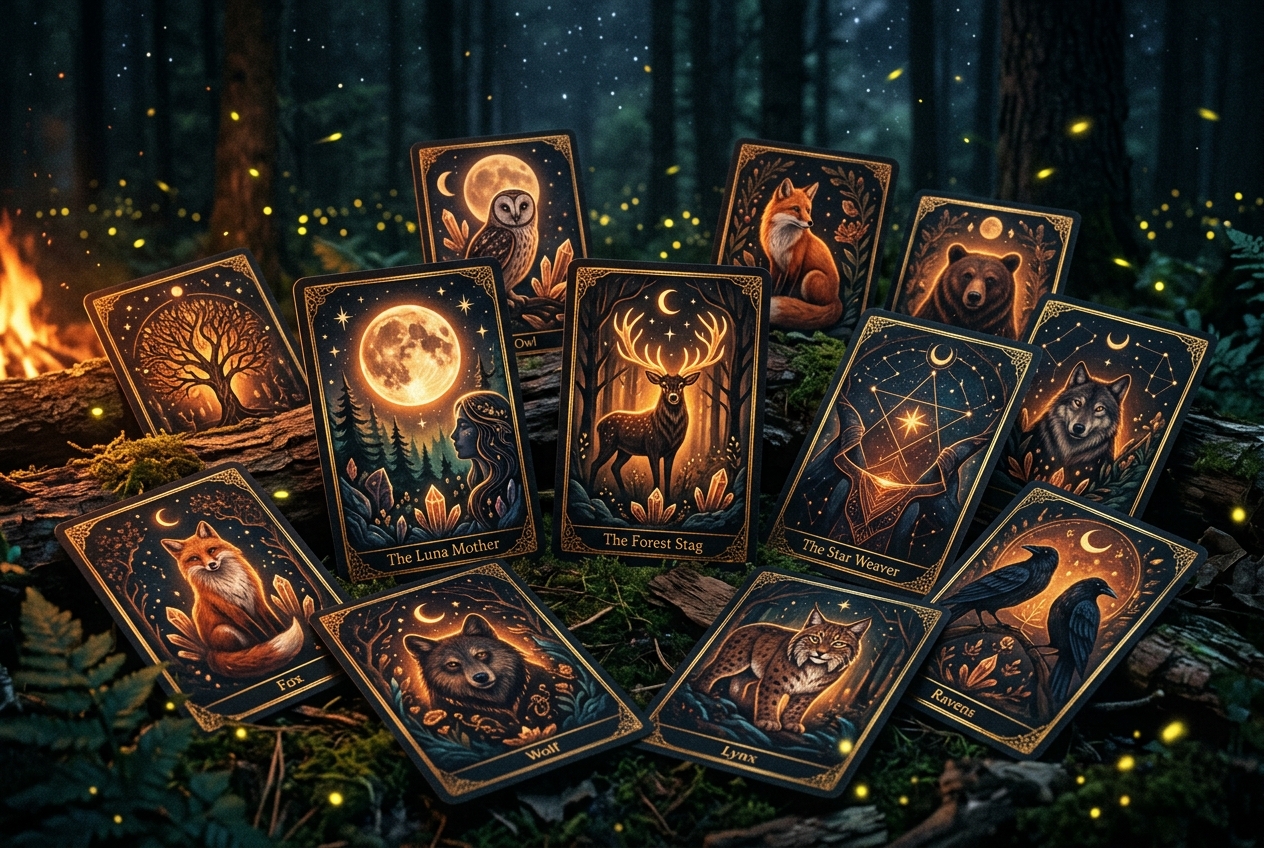
Interpreting cards isn’t about rigidly adhering to textbook definitions, but rather about synthesizing knowledge with your intuition. When you draw a card, pay attention to the colors, figures, and feelings that the illustration evokes within you. Tradition suggests that our initial associations are often the most accurate in a personal context. One should not seek definitive answers in the cards but rather inspiration for a shift in perspective or a deeper understanding of a problem. The tools available in the tarot section will assist you in organizing your insights about individual meanings, offering a solid reference point for your practice.
Cultivating intuition and honoring card traditions
Modern tarot practice often blends traditional symbolism with a psychological approach aimed at self-correcting thought patterns. Many believe that the cards act as a mirror, reflecting our subconscious fears and desires. Instead of asking, "What will happen?" it is more beneficial to ask, "What should I focus on in this situation?" This shift in mindset allows for a more proactive approach to one's life. Regularly engaging in this form of self-reflection helps build emotional stability and mental clarity, which are crucial in the journey of personal development.
Summary: tarot as a tool for self-reflection
The journey with tarot is an ongoing process that requires patience and humility toward the symbols. There isn’t a single "correct" way to read the cards, as each practitioner brings their own experiences and sensitivities. The most important aspect is to view the cards as a friend on the path toward deeper self-understanding. Regular practice, paired with thorough reading of reliable studies, will help you feel more confident in the world of symbols over time. 🎴 This content is designed for entertainment and personal reflection. It is not backed by scientific evidence.
FAQ
Can tarot pose any dangers?
Tarot is a symbolic tool and possesses no causal power. If approached with detachment as a means of working with imagination, it does not threaten your safety.
How long does it take to learn tarot?
The learning journey lasts a lifetime, as each card contains infinite layers of meaning. You can master basic interpretations with just a few months of consistent practice.
Do I need to know numerology to read tarot?
Having knowledge of numerology greatly aids in interpreting the Minor Arcana, but it’s not mandatory at the very start. You can begin with visual analysis and gradually incorporate numerological insights over time.