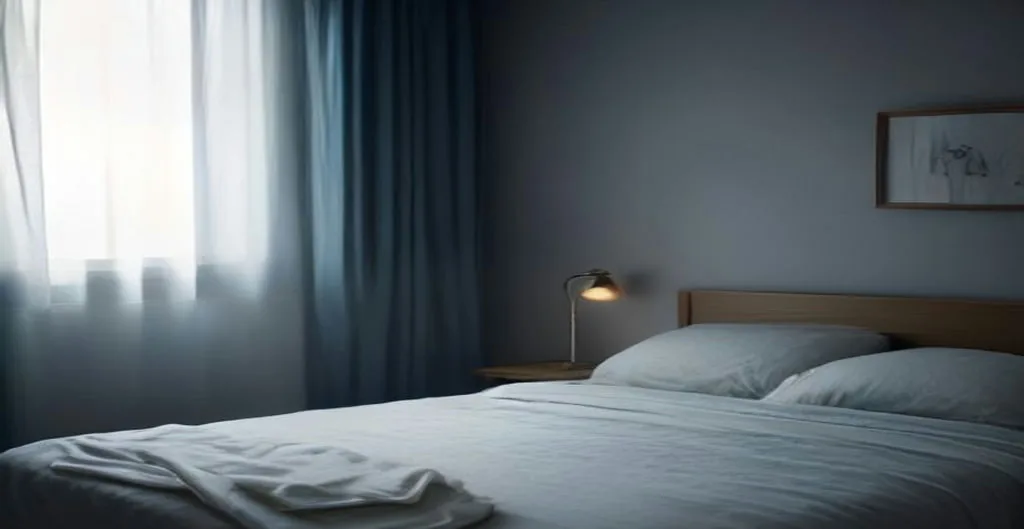
Good sleep hygiene is a simple yet effective way to support your health, recovery, and resilience to stress. Discover 10 rules that help you sleep better and wake up with more energy.
1. Set consistent bedtimes and wake-up times
The most important pillar of sleep hygiene is regularity. Your biological clock likes predictability. If you go to bed and wake up at roughly the same time every day, your brain can start the process of falling asleep more easily, and waking up feels less abrupt. Circadian rhythm research shows that an irregular sleep schedule is linked to poorer recovery, daytime sleepiness, and greater stress load.
Try to keep the difference between weekdays and weekends to no more than 60 minutes. This is especially important if you feel like Monday starts as if you had changed time zones. This kind of social jet lag disrupts health, sleep, and metabolic function.
2. Get morning light, limit light in the evening
Light is one of the strongest regulators of the circadian rhythm. Morning exposure to natural light helps set your internal clock, improves alertness, and supports evening melatonin release. In practice, 20 to 30 minutes of daylight after waking is enough, preferably outdoors.
In the evening, do the opposite. Limit bright, cool light, especially from your phone, laptop, and TV. NIST and many academic centers point out that evening light delays sleep and makes it harder to unwind. If you work on a screen after dark, switch to warmer tones, lower the brightness, and end intense stimulation at least one hour before bed.
If you want to better understand your daily rhythm and your body’s signals, take a look at the Human Map and the materials on conscious body observation.
3. Take care of your sleep environment, quiet, darkness, coolness
Your bedroom should support recovery, not distract you. The best sleep usually happens in a dark, quiet, and slightly cool room. For many people, the optimal temperature is around 17 to 19 degrees Celsius, although individual preferences may vary. A room that is too warm makes it harder to fall asleep and can reduce deep sleep.
- darken the room or use an eye mask,
- reduce noise sources or use white noise,
- air out the bedroom before sleep,
- keep only what is associated with sleep and closeness in bed, not work.
These are simple actions, but their impact on health and recovery can be surprisingly strong. Many people notice improvement after just a few nights.
4. Don’t take stress to bed with you
One of the most common enemies of sleep is mental tension. When you go to bed with your head full of things to deal with, your body stays on alert. Your heart rate is higher, breathing becomes shallower, and sleep becomes lighter and more fragmented. Sleep hygiene therefore also includes lowering arousal in the evening.
A short calming routine works well. You can write down tomorrow’s tasks, do 5 minutes of calm breathing, stretch your body, or take a warm shower. It signals to your nervous system that the day is ending. If you want to practice calm breathing before sleep, check the Breath section. For some people, simple tools for observing tension in the body, available in the Body Test, can also be helpful.
If stress is persistent and affects your health, sleep, and daily functioning, it is worth speaking with a doctor or psychologist. Sleep hygiene helps, but it does not replace a professional diagnosis.
5. Watch caffeine, nicotine, and alcohol
This is one of the best-confirmed rules. Caffeine can improve alertness, but its effects last a long time. For some people, even coffee in the afternoon worsens sleep. If you have trouble falling asleep, try avoiding caffeine for 6 to 8 hours before bed. Sensitivity is individual, so it is worth observing your body’s response.
Nicotine is stimulating and also makes recovery harder. Alcohol, on the other hand, may help you fall asleep faster, but it disrupts sleep architecture, increases the risk of waking up during the night, and worsens rest in the second half of the night. This is important because many people wrongly think of it as sleep support. From a health perspective, that is only an illusion.
6. Eat lightly in the evening, but don’t go to bed hungry
Nutrition and sleep are strongly connected. A heavy, fatty, or very late meal can increase reflux, discomfort, and nighttime waking. On the other hand, strong hunger also makes it harder to fall asleep. A light dinner eaten 2 to 3 hours before bed usually works best.
It is worth choosing foods that do not burden the digestive system. For some people, well-tolerated options include grains, natural yogurt, cottage cheese, eggs, vegetables, wholegrain bread, or a small portion of fruit. Spicy seasonings and large amounts of sugar in the evening are not the best idea, because they can increase arousal or discomfort.
If you notice that late eating disturbs your recovery, keep a simple journal. Record meal times, sleep quality, and how you feel in the morning. This kind of observation often tells you more than general advice.
7. Move regularly, but not very intensely right before bed
Physical activity is one of the most effective natural ways to support sleep. Regular movement improves rest quality, reduces tension, supports cardiovascular health, and helps regulate stress better. The WHO recommends consistent physical activity for adults throughout the week, because it affects not only fitness, but also sleep and recovery.
The best results come from consistency, not extremes. Walking, cycling, strength training, swimming, or yoga can improve nighttime rest. For some people, however, very intense exercise late in the evening makes it harder to fall asleep. If you notice that, move your harder workout to an earlier time and choose a calmer form of movement in the evening.
- Plan at least 20 to 30 minutes of movement on most days of the week.
- Choose more dynamic physical activity in the morning or afternoon.
- In the evening, focus on walking, mobility work, and gentle stretching.
8. Limit naps if they ruin your nighttime sleep
A short nap can improve concentration and reduce fatigue, but one that is too long or too late often makes it harder to fall asleep in the evening. If you sleep poorly at night, test limiting naps to 20 minutes and avoid them after 3 p.m. This is especially important with insomnia, because your body should build natural sleep pressure until evening.
Not everyone reacts the same way. If you work shifts or are coming off a sleepless night, a nap can be helpful. The key is to make sure it does not become a daily way of masking chronic sleep deprivation.
9. Build a repeatable evening ritual
The brain likes signals that mark the end of the day. A repeatable routine helps you move from action mode into recovery mode. It does not have to be elaborate. 20 to 40 minutes of simple activities done in a similar order is enough.
An example routine could look like this, dim the lights, put the phone away, do your hygiene, breathe calmly, read a few pages of a book, sleep. If you want to track your dreams and the rhythm of your nighttime rest, you can visit Dream. For those interested in a broad approach to well-being, the Health catalog will also be useful, where you will find materials about the body, recovery, and everyday habits.
The most important thing is that the ritual does not become another source of pressure. It is not a test to pass, but a tool that supports health and sleep.
10. If you can’t fall asleep, don’t fight it forcefully
Lying in bed for a long time and getting angry about not sleeping strengthens the association between bed and tension. In insomnia therapy, it is recommended that after about 20 minutes of tossing and turning, you get up, move to another room, and do something calm in dim light. Return to bed only when you feel sleepy again.
This approach may seem counterintuitive, but it helps rebuild the proper association, bed equals sleep. If the problem lasts longer than a few weeks, or if you experience snoring, pauses in breathing, morning headaches, strong daytime sleepiness, or mood deterioration, consult a doctor. Sleep disorders may require diagnosis and sometimes treatment.
Why sleep hygiene works
Many people ask whether these rules really matter. The answer is yes, because they influence the biological mechanisms that regulate sleep. Regularity strengthens the circadian rhythm. Limiting evening light supports melatonin release. Proper nutrition reduces nighttime discomfort. Physical activity helps release tension and improves sleep depth. Stress reduction lowers nervous system arousal. When these elements work together, recovery becomes more complete.
It is also an investment in your overall health. Better sleep supports memory, immunity, appetite control, glucose balance, and quality of life. For many people, improving sleep becomes the starting point for better nutrition, more regular habits, and smarter physical activity.
Key takeaways to start with
If you want to begin today, do not change everything at once. Choose two or three rules that feel easiest for you. The biggest difference usually comes from consistent bedtimes, less evening light, and daily physical activity. After a week, add more elements. Sleep likes patience and consistency.
Also remember that sleep hygiene is not a cure for every difficulty. If problems are severe, chronic, or accompanied by other symptoms, seek help from a specialist. This text is meant to support health and education, but it does not replace medical advice.
FAQ
How many hours of sleep does an adult need?
Most adults usually need 7 to 9 hours of sleep per night. The exact amount is individual. What matters is not only sleep duration, but also sleep quality and how you function during the day.
Does evening exercise always worsen sleep?
Not always. For many people, moderate evening physical activity does no harm and may even help release stress. The problem is usually very intense exercise right before bed, if it increases arousal and makes it harder to settle down.
Does using a phone in bed really do harm?
Often yes. A screen delivers both light and cognitive stimulation that delay sleep. Browsing messages, social media, or work also increases stress and makes recovery harder.
When should you see a doctor about sleep problems?
If sleep difficulties last for several weeks, get worse, or come with snoring, pauses in breathing, strong daytime sleepiness, low mood, or reduced daily functioning, consult a doctor. This is important for your health and safety.
Sources
- Ezostylia — editorial team — description of the platform's tools and departments. Link