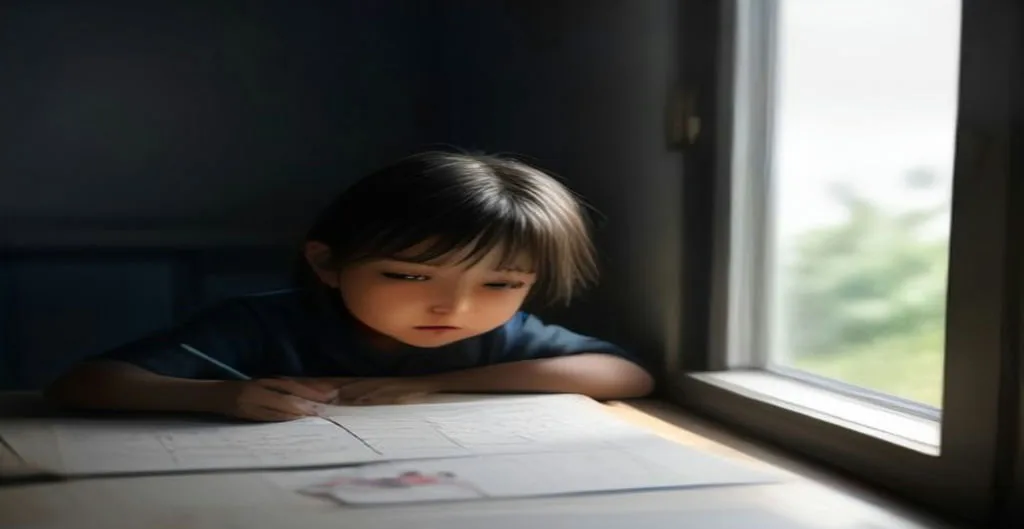
Parental divorce is a significant challenge for a child. Discover effective methods to shield your little one from loyalty conflict and prioritize their well-being.
What is loyalty conflict, and why does it pose a threat to a child's development?
Loyalty conflict is a psychological situation in which a child feels pressured to choose sides with one parent, leading to overwhelming feelings of guilt. This phenomenon often stems from unresolved emotions within adults who unconsciously project their frustrations onto their relationship with the child. According to the APA, a stable environment following a separation is crucial for minimizing the long-term effects of stress on children.
Try our tool: Articles in this section.
A child who loves both parents should never be placed in a position where they must choose or hide their feelings. When one parent expects the child to affirm negative views of the other, it undermines the child's sense of security. This process can lead to serious adjustment difficulties, which is why it's vital for parents to reflect on their own the mirror of their own emotions and reactions, rather than placing that burden on their children.
Understanding this mechanism requires a considerable amount of self-reflection from caregivers. Parents often unconsciously dwell on feelings of hurt, forgetting that the child deserves both role models for healthy emotional development. It’s essential to remember that knowing how to articulate emotions and why it matters is foundational for parents to better manage their own anger around the child, shielding them from the toxic effects of adult conflicts.
How can you recognize the early signs of loyalty conflict in a child?
When faced with loyalty conflict, children often become withdrawn, quiet, or conversely, display defensive behaviors that are not age-appropriate. The NIMH highlights that behavioral changes, such as anxiety, low mood, or difficulty concentrating, should serve as warning signs for every caregiver. These symptoms should not be overlooked; they indicate a need for a shift in how communication is handled within the family.
It's important to pay attention to what is known as "spying," wherein a child feels obligated to relay information about one parent's life to the other. Such a role is destructive and unnatural for a child, as it breaches the boundaries between the adult world and their own. Learning how to implement Setting boundaries without guilt is crucial not only for parents but also for protecting the child from becoming a messenger in conflicts.
If you notice your child avoiding discussions about the other parent or reacting with anxiety at the mere mention of meetings, it signals that the tension levels are too high. In these situations, it's worthwhile to examine the the mirror of your own behavior and ask yourself: am I unconsciously conveying messages that the child interprets as prohibiting affection for the other parent? A true commitment to a child's well-being necessitates putting aside personal grievances.
Why is open communication between parents so essential?
Effective parental collaboration after a divorce primarily requires separating partnership issues from parenting concerns. As the NHS notes, establishing clear agreements regarding custody and avoiding confrontation in the child's presence greatly enhances their mental well-being. The child must feel assured that despite changes in the family structure, both parents remain available and supportive.
A common mistake is using the child as a means to manipulate an ex-partner. Such actions can be extremely damaging and may permanently alter the way a child forms relationships in adulthood. Instead, it is essential to focus on what truly matters for the child's development, utilizing techniques such as active listening – a technique that transforms conversations, to gain a deeper understanding of the child's needs, rather than prioritizing your own desires.
Reaching a mutual agreement doesn’t mean you must become friends, but it does mean you should act as professional partners in the parenting process. Every concession made for the child's peace is an investment in their future emotional stability. Always remember, the child is not a participant in your dispute and should never be treated as a tool for achieving emotional or financial goals.
What are the long-term effects of unresolved loyalty conflict?
Unresolved loyalty conflict during childhood can have lasting effects in adulthood, making it challenging for individuals to form stable and healthy relationships. Research cited by the WHO suggests that children raised in environments with chronic family stress are more likely to experience emotional issues later in life. Therefore, it is crucial to prioritize the mental well-being of the whole family.
Individuals who were compelled to choose between their parents in childhood often struggle with assertiveness in adulthood and hesitate to express their opinions. They may subconsciously fear that asserting their independence will result in losing someone they love, a direct consequence of their early experiences. Engaging in personal growth, including shadow work — understanding Jung's concept of the shadow and how to integrate it, can assist adult children of divorce in recognizing their own behavioral patterns and freeing themselves from a burden of loyalty that wasn't theirs to carry.
It is also important to remember that children possess an incredible ability to adapt if they receive the right support. The responsibility for creating a safe haven lies entirely with the adults. If you find yourself struggling with the emotions that come with separation, do not hesitate to seek support from professionals so as not to project your own pain onto the child.
What steps should you take to effectively support your child after a divorce?
- Reassure your child of your unconditional love, no matter what the situation is with the other parent.
- Avoid speaking negatively about your ex-partner in front of your child.
- Maintain routine and predictability in daily life, as this provides the child with a sense of security.
- Be open to your child's emotions, allowing them to experience sadness, anger, or helplessness without judgment.
- Take care of your own mental health to avoid burdening the child with your issues.
Remember that when it comes to issues affecting your mental health or that of your child, you should always consult a qualified psychologist or therapist. The information provided here is for educational purposes and is not a substitute for professional diagnosis or therapy.
Sources
- Mental Health — WHO Link
- Mental health and related topics — NIMH Link
- Psychological resources — APA Link
- Mental health support — NHS Link