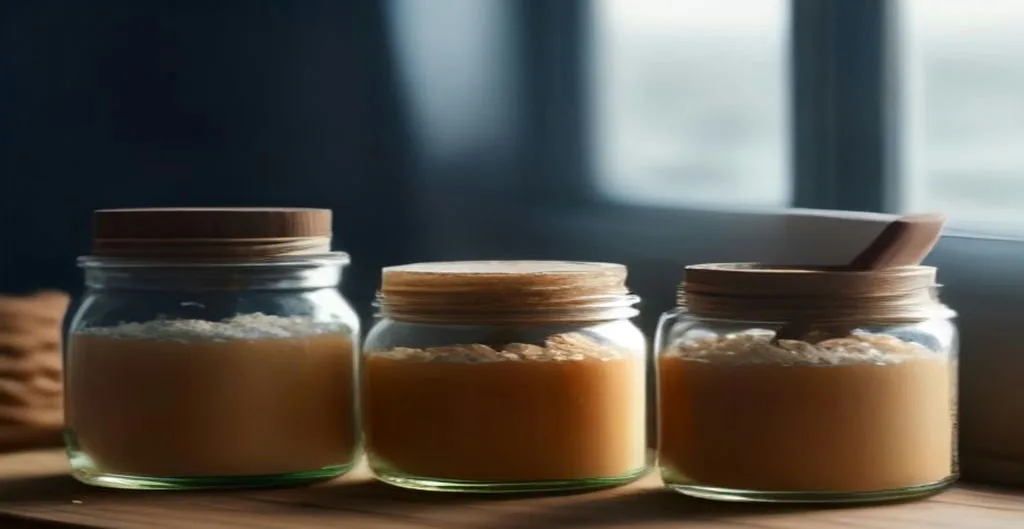
Uncover the secrets of DIY scrubs made from sugar, coffee, and salt. Explore tried-and-true recipes that will restore your skin's glow and smoothness without unnecessary expenses.
How do you choose the right scrub for your skin?
The best scrub is one customized to your skin's sensitivity and current needs. Sugar scrubs are the mildest and suitable for all skin types, while salt and coffee scrubs can be more intense. If you experience significant skin reactions, it's wise to consult a dermatologist.
Try our tool: Articles in this section.
Also try our tool: skin type calculator.
Your choice of scrub base should align with your daily skincare routine. If your skin is dry and flaky, opt for sugar, a natural humectant. For normal or combination skin, coffee is effective, as its caffeine is being studied for its benefits on microcirculation. Meanwhile, sea salt, rich in minerals, is ideal for thicker, more resilient skin, like on the feet or elbows.
Before starting the treatment, ensure there are no open wounds, irritations, or inflammation. Exfoliating damaged skin can lead to discomfort and slow down the healing process. Always do a patch test with a new product on a small area of skin to ensure it won’t trigger allergic reactions.
How do you make a DIY sugar scrub?
A sugar scrub is created using two tablespoons of fine sugar and one tablespoon of a base oil, like coconut or almond oil. This is the simplest recipe, requiring just a few ingredients while providing wonderfully delightful results.
Sugar dissolves with body heat and water, causing its grains to become more rounded and gentle on the skin. This makes sugar scrubs safe even for those with very sensitive skin. You can add a few drops of lavender essential oil to enhance the relaxing effect and improve the fragrance of the mixture.
Keep in mind that sugar can be slippery, so hold your skin slightly taut during the massage for the best results. After rinsing off the scrub, your skin will feel smooth and pleasant to the touch, ready to absorb the active ingredients from a body lotion. Evening baths are ideal for this treatment, allowing your skin to regenerate overnight.
Is a coffee scrub more effective than a sugar scrub?
A coffee scrub isn't universally more effective, but it offers different benefits, primarily stimulating microcirculation and enhancing lymphatic drainage. Coffee grounds are firmer and more angular, providing a stronger mechanical effect on the skin.
Coffee contains caffeine, which can temporarily reduce puffiness and enhance skin firmness. This effect is particularly visible in areas where skin loses elasticity, such as the arms or thighs. However, due to the coarseness of the grounds, coffee scrubs are not recommended for daily use or for very sensitive areas of the body.
When preparing a coffee scrub, use freshly ground coffee to maintain its aromas and properties. Combine the coffee with coconut oil or olive oil to achieve a thick, creamy consistency. Remember that coffee can stain light fabrics, so be sure to rinse your skin thoroughly and protect your clothing after the treatment.
How can you incorporate sea salt into body scrubs?
Sea salt is perfect for scrubbing feet, knees, and elbows, where the skin has a thicker epidermis. Thanks to its mineral content, salt not only exfoliates but also nourishes and fortifies the skin's protective barrier.
When preparing a salt scrub, use coarse-grained salt, which effectively removes dead skin cells. Mix the salt with an antiseptic essential oil, like thyme or rosemary, to enhance skin hygiene. Salt may be slightly more drying than sugar, so ensure you apply an intensely moisturizing body lotion after rinsing off the scrub.
Avoid using a salt scrub on your face or very sensitive areas, as it may cause micro-injuries and irritation. It’s best to use it once every two weeks to allow your skin time to regenerate. After the treatment, your skin will be smoother and better prepared to absorb active ingredients from your cosmetics.
What mistakes should you avoid when making DIY scrubs?
The most common mistake is scrubbing the skin too aggressively, which can damage its natural protective barrier. Exfoliation should be a gentle, soothing experience rather than rough scrubbing that leads to redness and discomfort.
Another mistake is applying a scrub on dry skin. The best results come from applying the scrub to damp skin, for instance, during a bath. Water softens the epidermis, easing the removal of keratinized cells and minimizing irritation. Additionally, remember not to exceed the recommended treatment frequency, as too much exfoliation can lead to skin dehydration.
Be mindful of the ingredients you add to your scrub. Avoid essential oils that may cause sensitization, or use them in very small amounts. If you’re prone to allergies, perform a patch test on your forearm before applying the scrub to your entire body. Comprehensive skincare is not just about using scrubs, but also regular moisturizing and sun protection, which supports overall skin health, as discussed in our article on step-by-step skincare.
Also Explore
Also Explore
FAQ
Can a sugar scrub be used on the face?
Some dermatologists recommend using only enzymatic scrubs or those with finely ground grains on the face to prevent micro-injuries to sensitive skin.
What is the best oil for a coffee scrub?
Coconut oil or olive oil works best, as they have a thick consistency that blends seamlessly with coffee and ensures lasting hydration for the skin.
Can I use salt for a full-body scrub?
Salt is perfect for feet and tougher areas of the body, but it might be too harsh for more delicate skin. If you wish to use salt on your entire body, opt for fine-grained Himalayan salt and apply it sparingly.
How long can a DIY scrub be stored?
It's best to prepare a DIY scrub fresh, but if you use oils with a long shelf life, you can keep it in an airtight container in the refrigerator for up to two weeks.
Sources
- American Academy of Dermatology Association — Skin care tips — Link
- National Center for Biotechnology Information (NCBI) — Caffeine and skin — Link
- Ezostylia — editorial team — description of platform tools and departments. Link