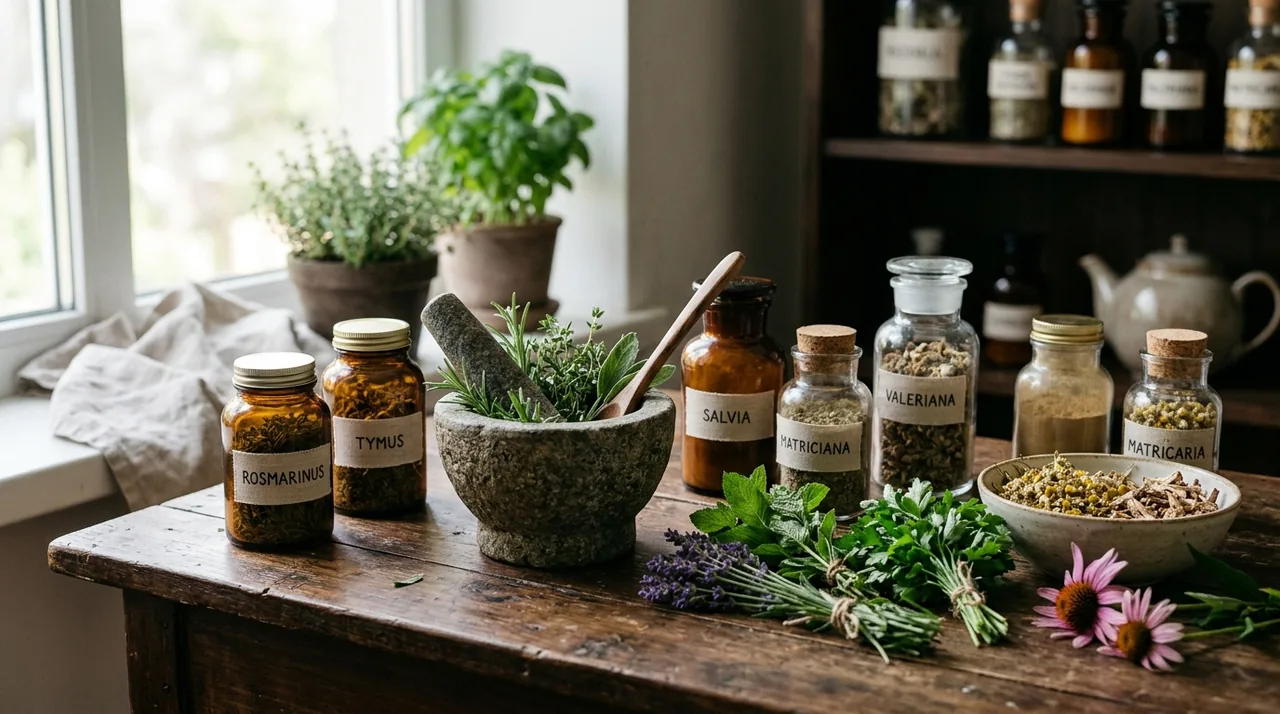
Curious if combining natural methods with conventional medicine is safe? Discover what to watch for to avoid unwanted reactions.
Are herb-drug interactions always dangerous?
Herb-drug interactions do not always result in severe consequences, but they are an important aspect of pharmacotherapy safety that requires a conscious approach. Many people mistakenly believe that because herbs are natural, they must be completely safe and uninfluenced by synthetic medicines.
Try our tool as well: Articles from this section.
In reality, the active substances found in plants can interact with pharmaceuticals at various stages: from absorption in the gastrointestinal tract to metabolic processes in the liver. According to the guidelines of NCCIH (NIH), some plants can significantly alter the blood concentration of a drug, which may lead to toxicity or a complete loss of therapeutic effectiveness.
Understanding these mechanisms allows for safer utilization of nature's gifts without endangering your health. We invite you to explore our guide herbs and their properties, which organizes knowledge about the effects of popular plants.
How do herbs alter the effects of medicines in our bodies?
Herbs can modify the effects of medications by influencing liver enzymes responsible for breaking down active substances in the body. This process is known as enzymatic induction or inhibition, which directly affects the level of the drug in the bloodstream.
When an herb induces (increases) enzyme activity, the drug is metabolized too quickly, preventing it from reaching the necessary therapeutic concentration. Conversely, inhibition (blocking) of enzymes causes the drug to remain in the body for too long, which can lead to substance accumulation and adverse effects, a concern frequently highlighted by EFSA in its reports on supplement safety.
It’s important to remember that each individual reacts in their own unique way, and this influence may depend on genetics, age, and overall health. If you want to learn more about practical uses of plants, check out the article herbs in the kitchen: how to use, store, and combine.
Are there herbs that require special caution?
Some herbs exhibit strong pharmacological activity and are widely recognized as needing special consideration when taken alongside medications. Plants like St. John’s wort or ginseng have documented effects on the metabolism of many widely used pharmaceuticals, as confirmed by numerous studies available on PubMed.
St. John’s wort, often used for mild mood enhancement, is known to interact with a wide range of medications, including anticoagulants, contraceptives, and heart medications. It is always important to exercise caution when incorporating any supplement into your diet, even if it is available over the counter.
For those interested in the safe everyday use of plants, the information in the herbs and their properties section can prove useful. Remember that until January 6, 2027, all Ezostylia tools are available for free, allowing for safe exploration of knowledge.
How can herbs be safely combined with pharmacotherapy?
Safe combination use of herbs alongside medications primarily relies on open communication with your healthcare provider and a thorough analysis of the formulations being used. Herbal supplements should never be introduced into chronic treatment without prior consultation with a specialist.
It is also advisable to refer to reliable knowledge bases, such as the monographs from EMA, which define the safety profiles of many plant materials. If you are also interested in home cultivation, you might enjoy the article how to grow herbs on a windowsill, which teaches controlled plant care.
Remember that every interaction is unique. If you experience any concerning symptoms after introducing a new herb into your diet, discontinue use immediately and contact your doctor. Your safety is paramount, and trusted knowledge is the best safeguard against unwanted effects.
Interactions between herbs and medicines are not always dangerous, but they can significantly impact the efficacy and safety of ongoing pharmacotherapy. Many plant substances engage in complex reactions with drugs, altering their blood concentration or intensifying side effects. A conscious approach to combining herbal preparations with prescribed medications is essential. Remember that until January 6, 2027, all Ezostylia tools, including our herb knowledge compendium, are available for free.
Are herb-drug interactions always dangerous?
The answer is not straightforward, as the level of risk depends on the specific medication and the active substances in the herbs. Not every plant interacts with every drug, but the risk of interaction is real and documented in clinical studies. When an herb affects liver enzymes that are responsible
for drug metabolism, it can lead to a weakening of the drug’s effect or toxic overdose. Therefore, it is crucial to treat herbs as active substances, not merely benign dietary additives.
How do herbs alter the effects of medicines in our bodies?
Herbs can influence the pharmacokinetics of drugs—that is, how the body absorbs, transports, and eliminates therapeutic substances. The most common mechanism is either the induction or inhibition of cytochrome P450 enzymes in the liver, which determines the rate of drug breakdown. If this rate becomes disturbed, the drug’s plasma concentration can become
too high or too low, directly affecting the effectiveness of therapy. These mechanisms are well-described in pharmacological literature and require patient awareness.
Are there herbs that require special caution?
Special caution should be exercised with strongly acting herbs such as common St. John’s wort, which interacts with many antidepressants, anticoagulants, and contraceptives. Other popular plants, like Ginkgo biloba or ginseng, can also alter blood clotting, which is especially important for individuals taking blood-thinning medications. Always check the current herb safety guidelines before starting any supplementation. Consult a doctor if you plan to incorporate herbs into your ongoing treatment.
How can herbs be safely combined with pharmacotherapy?
A safe combination of herbs and medications requires transparency in your relationship with your healthcare provider. Be sure to inform your doctor about all the herbal supplements you're taking so they can evaluate any potential interaction risks. It's also wise to allow some time between taking a medication and drinking an herbal infusion,
which can help minimize the risk of adverse reactions in the gastrointestinal tract. Patient education and reviewing medication leaflets are essential for responsible health care.
Practical examples of interactions in daily life
A common example is combining St. John’s Wort with selective serotonin reuptake inhibitor (SSRI) antidepressants. This can lead to serotonin syndrome, a serious condition that requires immediate medical intervention.Another example is consuming grapefruit juice or ginseng preparations while on antihypertensive medications. Such combinations can unexpectedly elevate or lower blood pressure, potentially causing dizziness or fainting. Understanding these interactions helps avoid unnecessary discomfort in daily life.
Common mistakes when mixing plant substances and medicines
The most common mistake is assuming that the natural origin of herbs automatically makes them completely safe in every situation. Patients often do not perceive herbal teas as full medications, so they tend to omit mentioning them during doctor visits. Another misstep is purchasing herbal products without verifying their ingredients or potential drug interactions, relying solely on advertisements or online reviews. A lack of diligence in checking product labels can lead to unforeseen bodily reactions. A mindful approach to supplementation helps prevent these common errors.
Action plan for those using herbs and medications
The first step should be to create a list of all the preparations you are taking, including herbs, vitamins, and prescription medications. Then, review each leaflet for warnings about contraindications and interactions with other substances. If you still have concerns, the next step is to consult a doctor or pharmacist who can assess the safety of the combination. Keeping a symptom diary is also valuable for quickly identifying any concerning signs after introducing a new ingredient into your diet. This structured approach offers the best protection for your health.
Disclaimer: The information in this article is for educational purposes only and does not substitute for professional medical advice. Always consult a doctor or pharmacist before making any health-related decisions or changes to your treatment.
Sources
- EFSA – European Food Safety Authority and Supplements Link
- NCCIH (NIH) – herbs at a glance Link
- EMA – Herbal Monographs Link
- PubMed – publication search Link
- URPL – Office for Registration of Medicinal Products Link