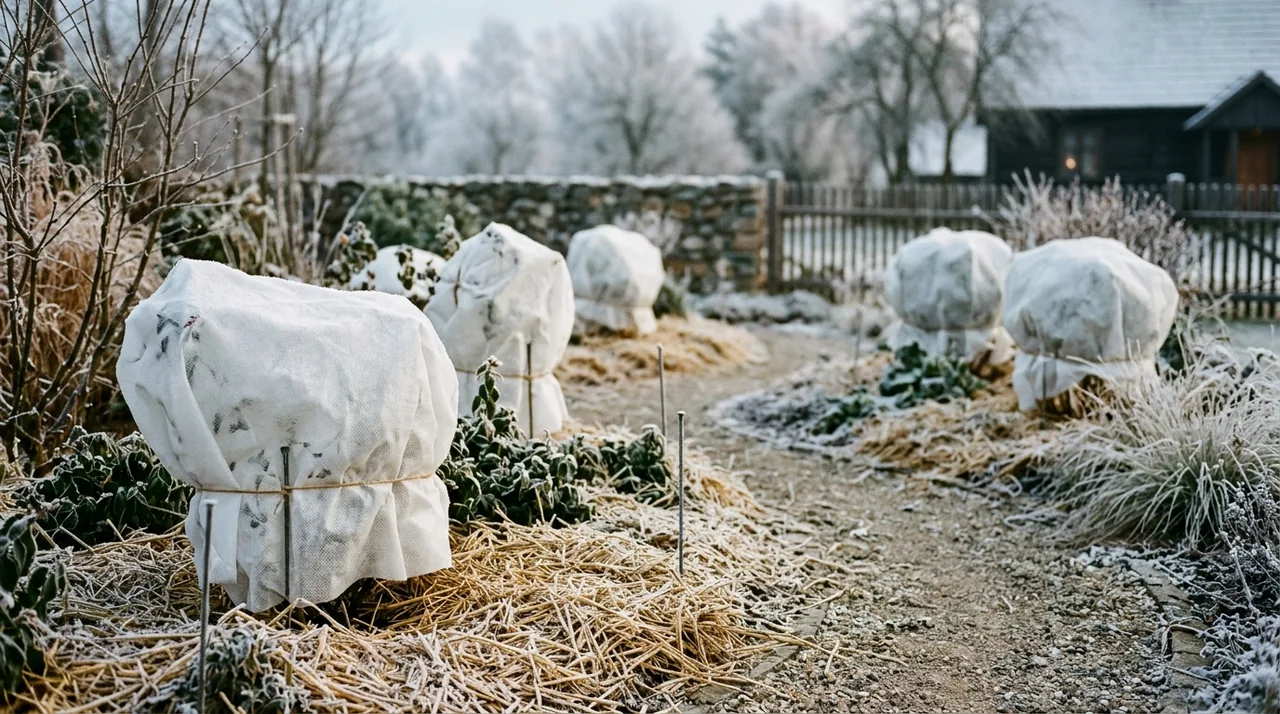
While winter in the garden marks a period of rest for nature, it can also be a time of intensive work for the gardener. Discover which tasks are worth tackling this season.
Which winter gardening tasks are most crucial for plant protection?
The key to winter gardening starts with providing adequate protection for delicate plants against frost, snow, and icy winds. Much depends on securely safeguarding both the above-ground parts and root systems.
Try our tool: Articles in this section.
Also try our tool: Online Dream Dictionary.
During snowless and freezing days, special care should be given to evergreen plants, which continue to require moisture. Regularly check the condition of agrofiber, straw, or willow mat covers, as they may have been damaged by strong winds. Helpful tips in this area are provided by the Royal Horticultural Society – gardening advice, highlighting the need to monitor crop health.
Additionally, remember to gently shake heavy, wet snow from the branches of conifers and columnar shrubs. Excess snow can lead to crown deformation and break delicate shoots, resulting in permanent structural damage to the plants. If you notice any phytosanitary issues, useful information can be found in materials published by the Institute of Horticulture – National Research Institute.
How can you plan for the upcoming season and make the most of limited space?
Winter evenings are the perfect time to rethink your spatial layout and create a detailed schedule for the coming year. Those with limited space can find inspiration in resources like Garden on a Small Plot: Planning, Zones, and Plants, which help you optimize every square meter.
It’s also essential to consider other areas in your surroundings that may need attention before spring arrives. For instance, the article How to Prepare a Balcony for Autumn: A Practical Guide | Ezostylia focuses on organizing smaller spaces and shows how to care for potted plants in challenging weather. A similar organizational approach can be effective for planning home relaxation, where traditional introspective methods and tools, such as online tarot are often used by enthusiasts to calm the mind.
Planning your winter garden includes ordering seeds of reliable vegetable and flower varieties, arranging them for crop rotation, and creating a sowing schedule. This helps avoid chaotic purchases in early spring and allows you to maximize your garden beds' potential.
What can you do in the workshop, and how should you care for your gardening tools?
When weather conditions prevent outdoor work, consider moving your activities to the workshop or garage. Maintaining cutting tools, such as secateurs, hedge shears, or chainsaws, is crucial for preparing for the new growing season.
Sharpening blades, removing rust, and lubricating moving parts not only extends the life of your equipment but also ensures precise cutting, which is less harmful to plant tissues. Neglected tools can transfer harmful microorganisms between plants, so disinfecting them after each use and before winter storage is essential.
It’s also wise to review your stock of fertilizers, plant protection products, and pots, checking their expiration dates and condition. Keeping your supplies organized will make it easier to get to work as soon as the ground thaws slightly.
How can you support wildlife and birds during freezing days?
Winter is an exceptionally challenging time for birds and other wildlife visiting our spaces, so ensuring regular feeding is important. Well-chosen feed, rich in fats and sunflower seeds, provides birds with the energy they need to survive the cold.
Remember to regularly clean feeders of leftover food to prevent the spread of diseases among bird populations. Birds in the garden also serve a beneficial role, consuming numerous pests and insects that overwinter in tree bark as spring approaches.
Additionally, consider providing a constant source of fresh, unfrozen water; this is just as important for birds in winter as food. Caring for the local ecosystem encourages biodiversity and creates a natural balance throughout your home environment.
FAQ
Is it possible to plant trees and shrubs in winter?
Planting trees and shrubs in winter is only feasible when the soil isn't deeply frozen and the seedlings are from container nurseries. In practice, most gardeners postpone these tasks until early spring or perform them in late autumn.
How should you care for your lawn during the winter?
The primary rule of winter lawn maintenance is to refrain from walking on frozen grass, as this can break the blades and harm the root system. It's also important to clear away thick layers of leaves and compacted snow from the lawn.
What should you do with the compost bin during frosts?
Decomposition processes in the compost bin slow significantly during winter due to the low temperatures. You can continue adding organic waste, remembering to layer it with structural materials like shredded branches or leaves.
Do houseplants need special care in winter?
Yes, during winter houseplants struggle with reduced light and dry air from heating. It's advisable to cut back on their fertilization, water them less frequently, and ensure regular misting of the leaves, which helps maintain their health during the heating season.
Sources
- Royal Horticultural Society – gardening advice Link
- Institute of Horticulture – National Research Institute Link
- US EPA – Indoor Air Quality Link