St. John's wort tincture, elderflower syrup, plum butter simmered for three days, and calendula salve made with lard — recipes passed down by whisperers and grandmothers.
Try our tool: Articles in this section.
Try our tool: AI Oracle.
⚠ Important: This is how the old Slavs, whisperers, and our grandmothers used these recipes. We are not doctors — this is a record of old folk knowledge and cultural heritage, not medical advice. Consult a doctor or pharmacist before using any herbs or preserves, especially if you’re on medication, pregnant, living with chronic illness, or for children.
Before pharmacies existed, every village had its own apothecary: the pantry. Tinctures for digestion, syrups for coughs, preserves for winter, and salves for 'everything that aches'. We gathered the recipes just as whisperers and grandmothers shared them — step by step, without shortcuts. You will find the complete versions in the app, in the Book of Knowledge → Grandma's Recipes.
St. John's wort tincture — 'St. John's blood'
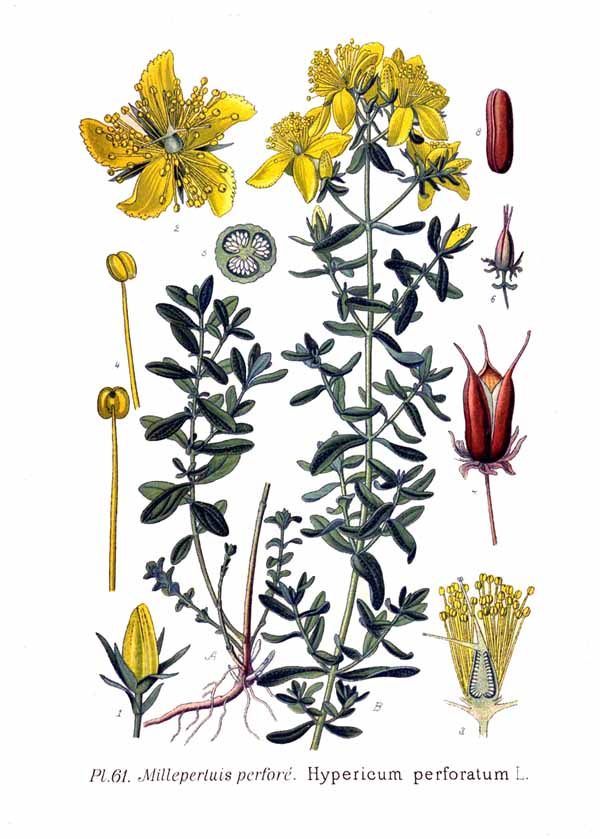
Pour 500 ml of 70% spirit over two cups of flowering St. John's wort tops (picked at sunny noon). Let it steep in the dark for three weeks, shaking every two days — the tincture turns ruby-red, once called 'St. John's blood'. Strain and let it mature for two weeks. 15–20 drops in water were taken 'for sorrows and for the stomach'. Caution: St. John's wort interacts with many medications and increases sensitivity to sunlight.
Elderflower syrup
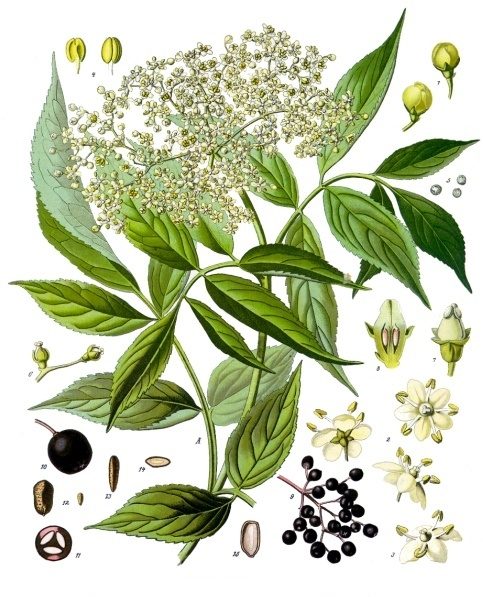
Layer 30–40 umbels (picked before noon, never rinsed!) in a jar with slices of two lemons. Pour over a cooled syrup made of 1 kg sugar and a liter of water. After 48–72 hours, strain, boil with a teaspoon of citric acid, and bottle. A spoonful in hot water was served 'for fever and cough' — elder encourages sweating. Remember: before picking, grandmothers bowed to the shrub, for 'the spirits of the ancestors live under the elder'.
Plum butter — a three-day ritual
5 kg of ripe damsons, pitted, are simmered without sugar over low heat for 2–3 hours each day for three days, stirred with a wooden spoon — slowly, in one direction only, 'so the good does not turn back from the house'. On the third day, the mixture is nearly black and so thick that a spoon stands upright in it. Jar while hot, pasteurize for 20 minutes.
Calendula salve made with lard
Warm two handfuls of calendula heads in 250 g of melted lard for 15 minutes (it should barely shimmer, never fry). Cover for 24 hours, rewarm, strain into jars, and keep refrigerated. For chapped hands, chafing, and cracked heels. 'What calendula cannot heal, nothing will heal', the grandmothers said.
Comfrey salve — the 'bone-knitting herb'
Warm 100 g of grated comfrey root (dug after the first frosts) in lard for 20 minutes, let rest overnight, and strain. For external use only — for bruises, joints, and sprained ankles. Comfrey is never taken internally.
Four thieves vinegar, garlic honey, and onion syrup
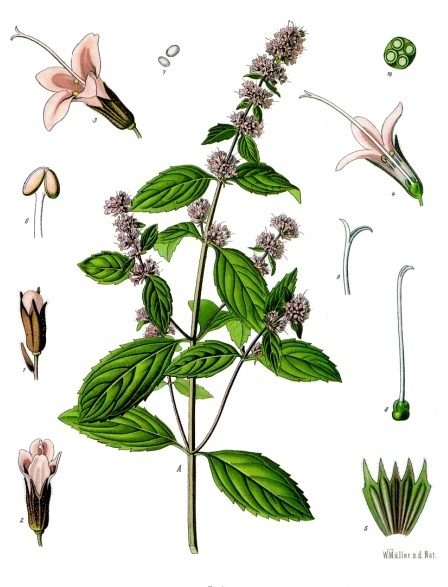
Three classics of the protective pantry: four thieves vinegar (sage, rosemary, thyme, lavender, mint, and garlic macerated for 2–4 weeks in apple vinegar — the legendary protection 'in times of plague'), garlic honey (2 heads of garlic in 250 g of honey for a week — a teaspoon daily from October to March) and the oldest Polish 'syrup': onion with sugar, left overnight, given by the teaspoon for cough.
Where can you find the full recipes?
In the Ezostylia app, in the Book of Knowledge, a new tab awaits: 'Grandma's Recipes' — 12 complete step-by-step recipes (tinctures, syrups, plum butter, rose petal jam, salves, compresses) with lore from the whisperers. Also read our article on the herbs of the whisperers with authentic photos.
⚠ Important: This is how the old Slavs, whisperers, and our grandmothers used these recipes. We are not doctors — this is a record of old folk knowledge and cultural heritage, not medical advice. Consult a doctor or pharmacist before using any herbs or preserves, especially if you’re on medication, pregnant, living with chronic illness, or for children.
Photos: Wikimedia Commons (public domain / CC). Recipes: records of the folk tradition of Podlasie and the Polish countryside.
Sources
- Ezostylia — editorial team — a description of the platform's tools and sections. Link