Wax, flax, ash, and a whispered prayer — along with 12 herbs that Slavic whisperers and herb-women knew better than anyone else. Authentic photos and little-known facts await.
In Podlasie, around Hajnówka, Bielsk Podlaski, and Orla, whisperers ('whisperers') still exist today: folk healers whose practices stem from Orthodox religiosity and centuries of Slavic tradition. A whisperer does not 'cast spells'; she whispers a prayer over the sick, makes the sign of the cross, and uses the simple gifts of nature. Her domain encompasses five ailments: fright, the evil eye, the 'rose' (erysipelas), the 'wind' (chill), and the nerve-tangle..
Try our tool: Articles in this section.
Try our tool: AI Oracle.
The most important elements in her rituals are beeswax (poured over the head into cold water to 'cast off' fright), flax (burned over fabric when treating the rose), stove ash, sheep's wool,and blessed water, salt, and bread. Alongside them, however, has always stood the vast pharmacy of fields and meadows: the herbs that Slavic herb-women and whisperers knew like no one else. Healing was always seen as a gift from God, not a service: people offered thanks with sweets, farm produce, or small offerings.
The Whisperers' Herbal — 12 Sacred Plants
Here are the herbs that carried the greatest power in Slavic folk tradition. The photographs come from Wikimedia Commons, including the famous Köhler botanical atlas of 1897.
Wormwood (Artemisia absinthium)
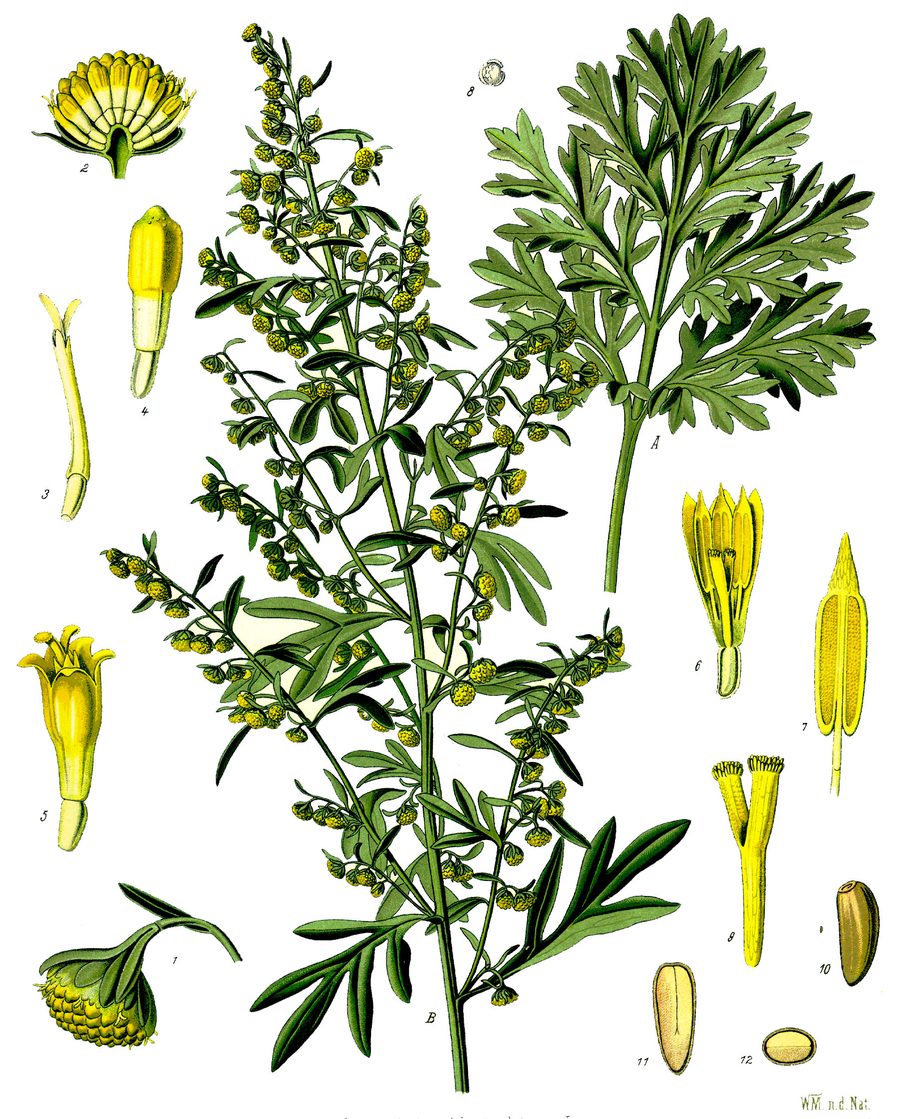
How It Was Used: The most 'magical' herb of the Slavs. Bitter as sorrow, it was burned to fumigate homes, lifting the evil eye and driving away malevolent forces. When hung above doors, it protected the household.
Little-known fact: On Midsummer Night, wreaths of wormwood were worn on the head to protect against spells for the entire year.
St John's Wort (Hypericum perforatum)
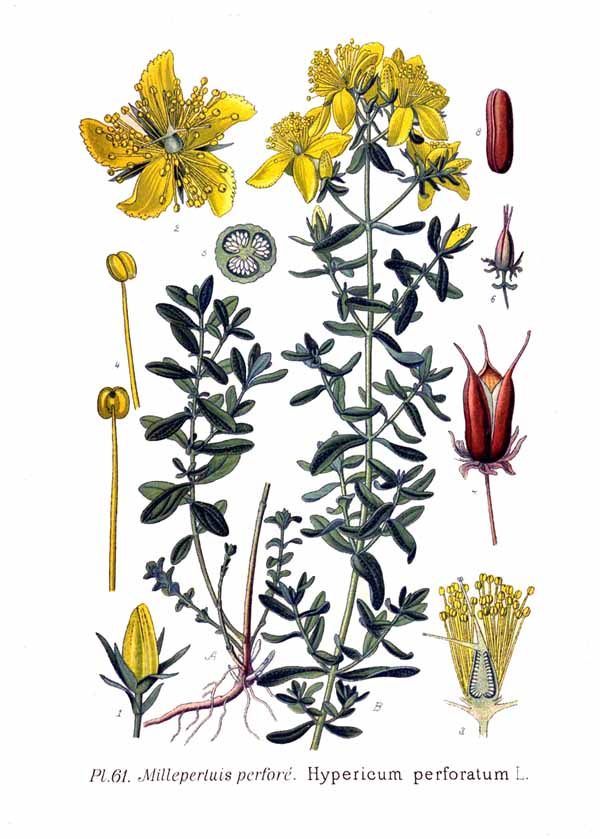
How It Was Used: The 'Midsummer herb', gathered on St John's Eve. Folk tradition credited it with the power to repel demons, hence its old name fuga daemonum, 'flight of the demons.'
Little-known fact: The red dye pressed from its flowers was referred to as 'St John's blood' and considered a sign of its special power.
Yarrow (Achillea millefolium)
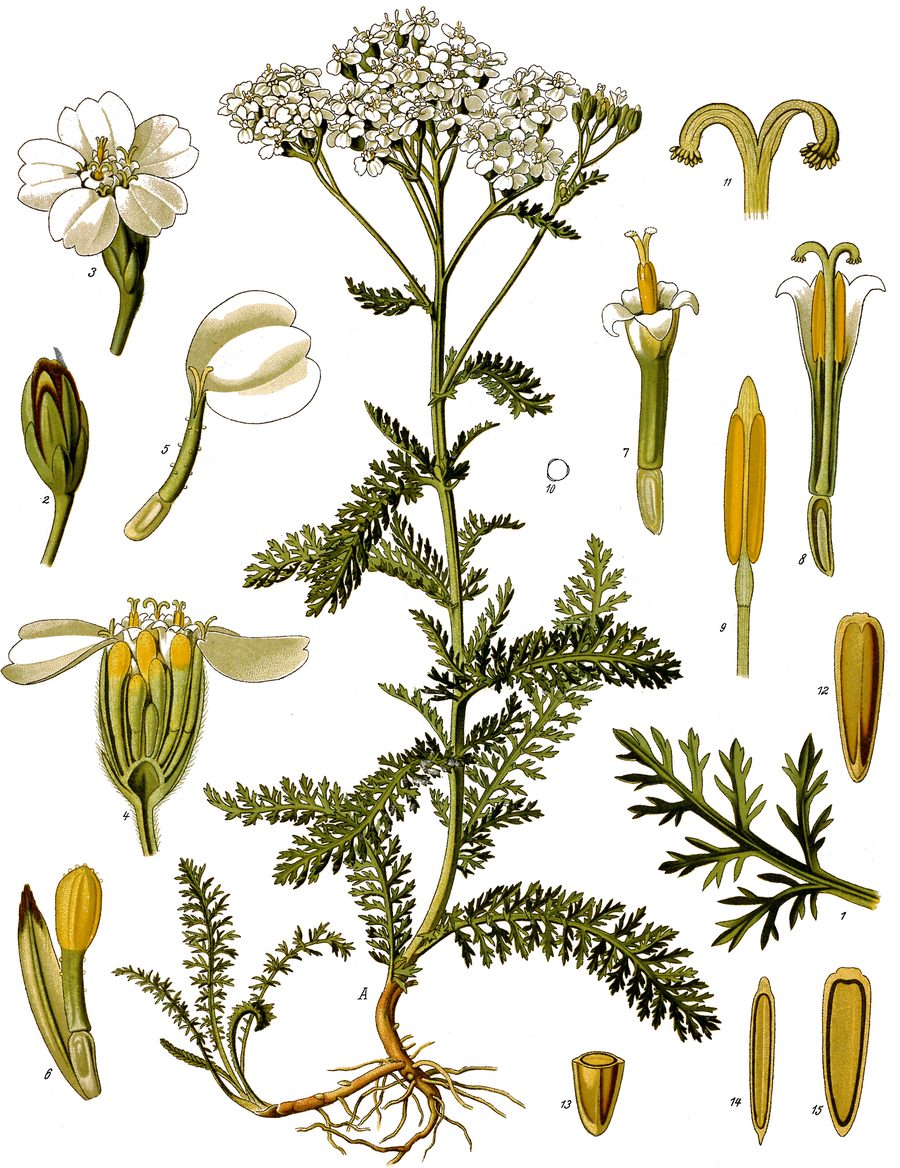
How It Was Used: The herb of warriors and herb-women. It staunched bleeding and served in folk magic for love divination and protection from the 'evil gaze.'
Little-known fact: Its Latin name comes from Achilles, who, according to legend, dressed his soldiers' wounds with it at Troy.
Chamomile (Matricaria chamomilla)
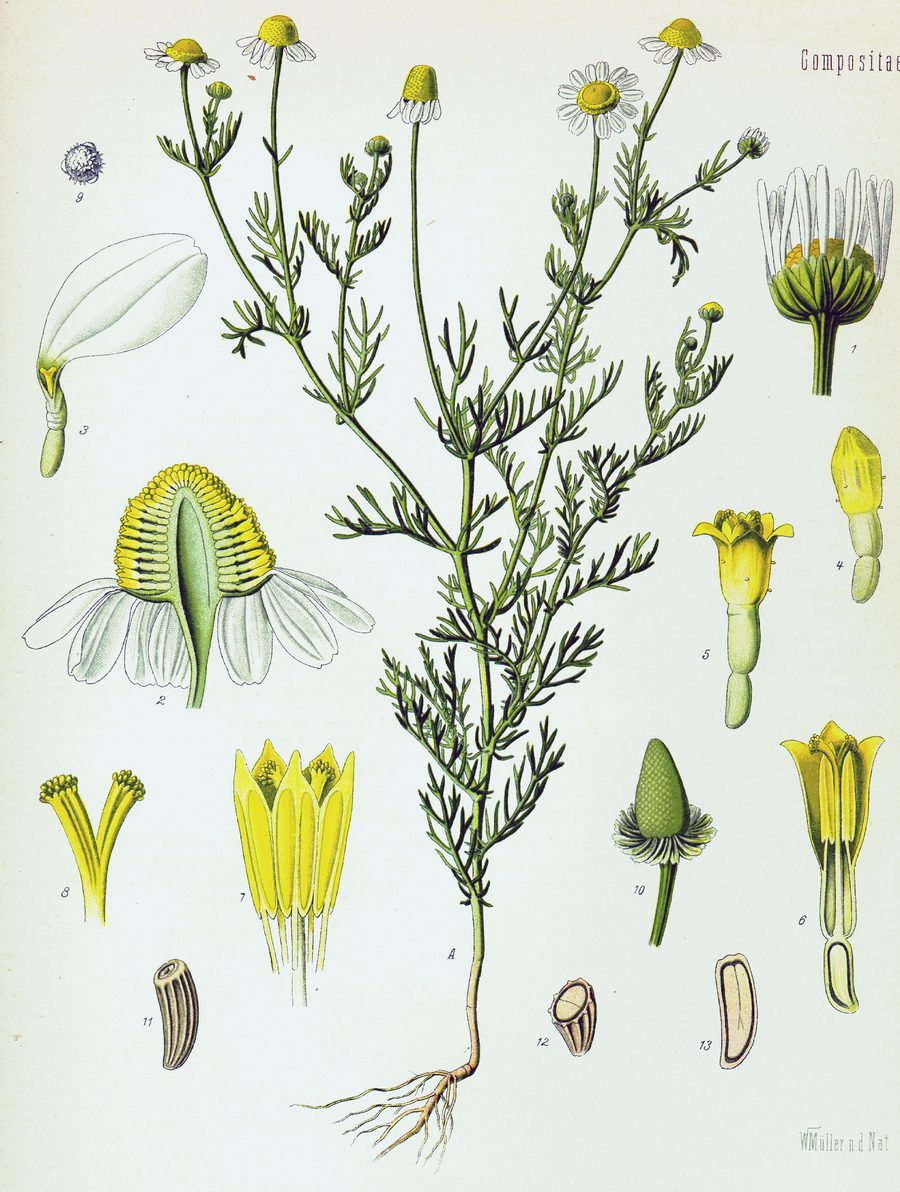
How It Was Used: The gentle guardian of children. Chamomile baths 'washed away' fright and the evil eye from infants, and the infusion soothed nerves and stomachs.
Little-known fact: The Slavs regarded chamomile as a solar flower, dedicated to deities of light, which is why it was placed in cradles.
Stinging Nettle (Urtica dioica)
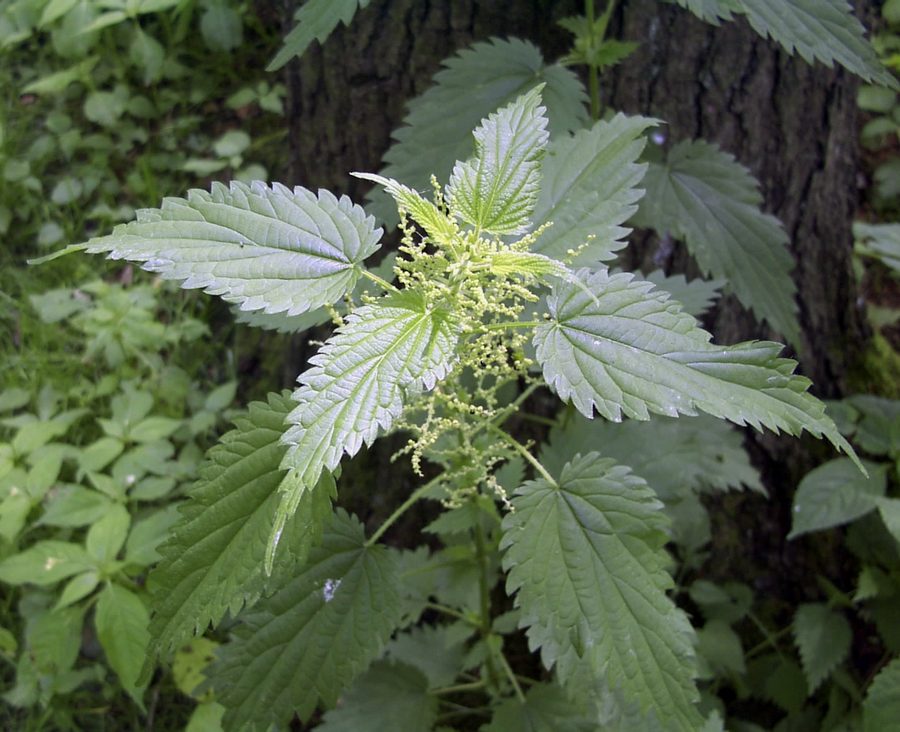
How It Was Used: A green protective shield. Thrown on thresholds and under windows on solstice nights so that no evil force could enter the house. It strengthened blood and vitality.
Little-known fact: It was believed that a nettle picked bare-handed without a sting proved the gatherer's pure intentions.
Elder (Sambucus nigra)
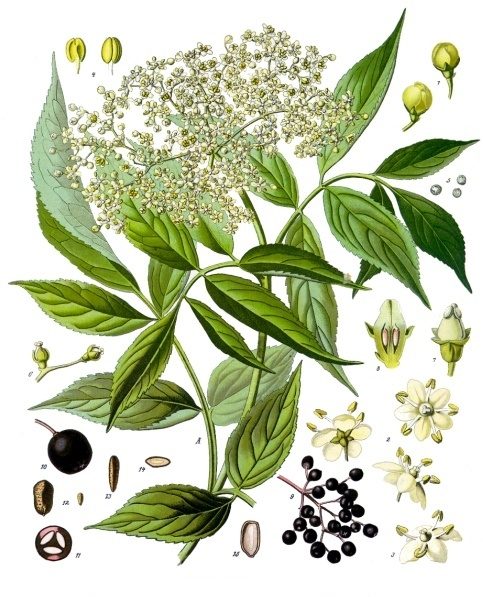
How It Was Used: The sacred boundary shrub between the world of the living and the dead. It could not be cut down without an apology, for 'the spirits of the ancestors live under the elder.' The flower and fruit healed colds.
Little-known fact: Before felling an elder, the farmer would remove his cap and say, 'Forgive me, elder-mother,' otherwise he would bring misfortune upon his home.
Small-leaved Lime (Tilia cordata)
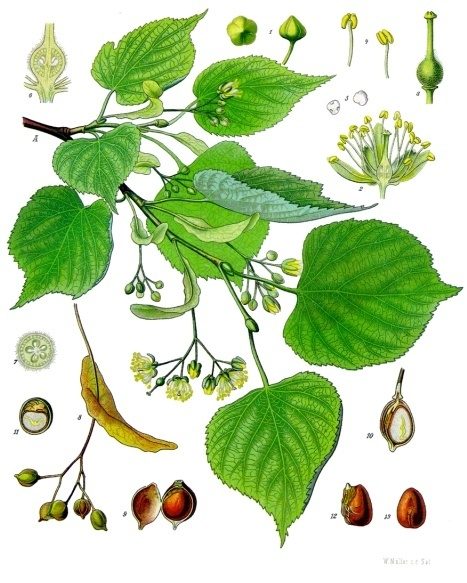
How It Was Used: The tree of the Mother of God and the Slavic goddess of love. Courts and prayers were held under linden trees, and the infusion of its blossoms treated fever by 'sweating out' the illness.
Little-known fact: It was believed that lightning never strikes a linden, which is why people took shelter beneath it in storms and planted it near their homes.
Mugwort (Artemisia vulgaris)
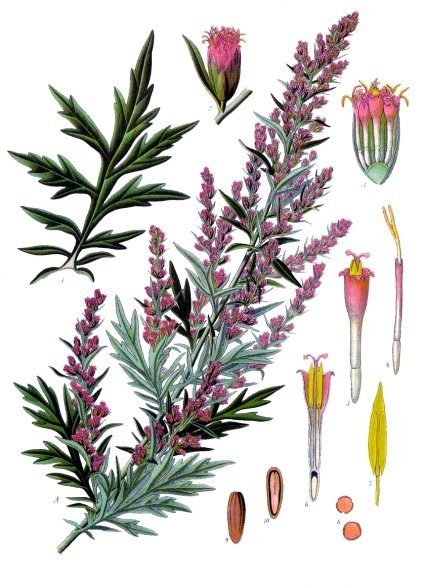
How It Was Used: The herb of the summer solstice. Mugwort belts were worn on the hips during Kupala Night and then burned in the bonfire so that the year's illnesses and hexes would be consumed with them.
Little-known fact: Mugwort hung in the cowshed was thought to protect cows from witches stealing their milk.
Peppermint (Mentha × piperita)
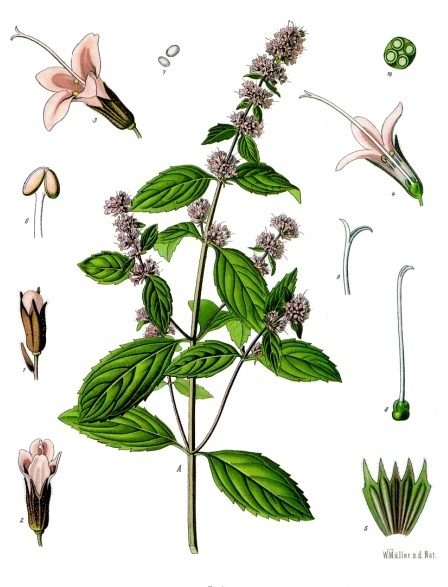
How It Was Used: The herb of purity and clarity. It was placed in coffins and in blessed bouquets; rooms were fumigated with it after illness or quarrels to 'clear out' negative energy.
Little-known fact: In Podlasie, mint was woven into wreaths blessed at the octave of Corpus Christi; such a wreath protected the home throughout the year.
Ribwort plantain (Plantago lanceolata)
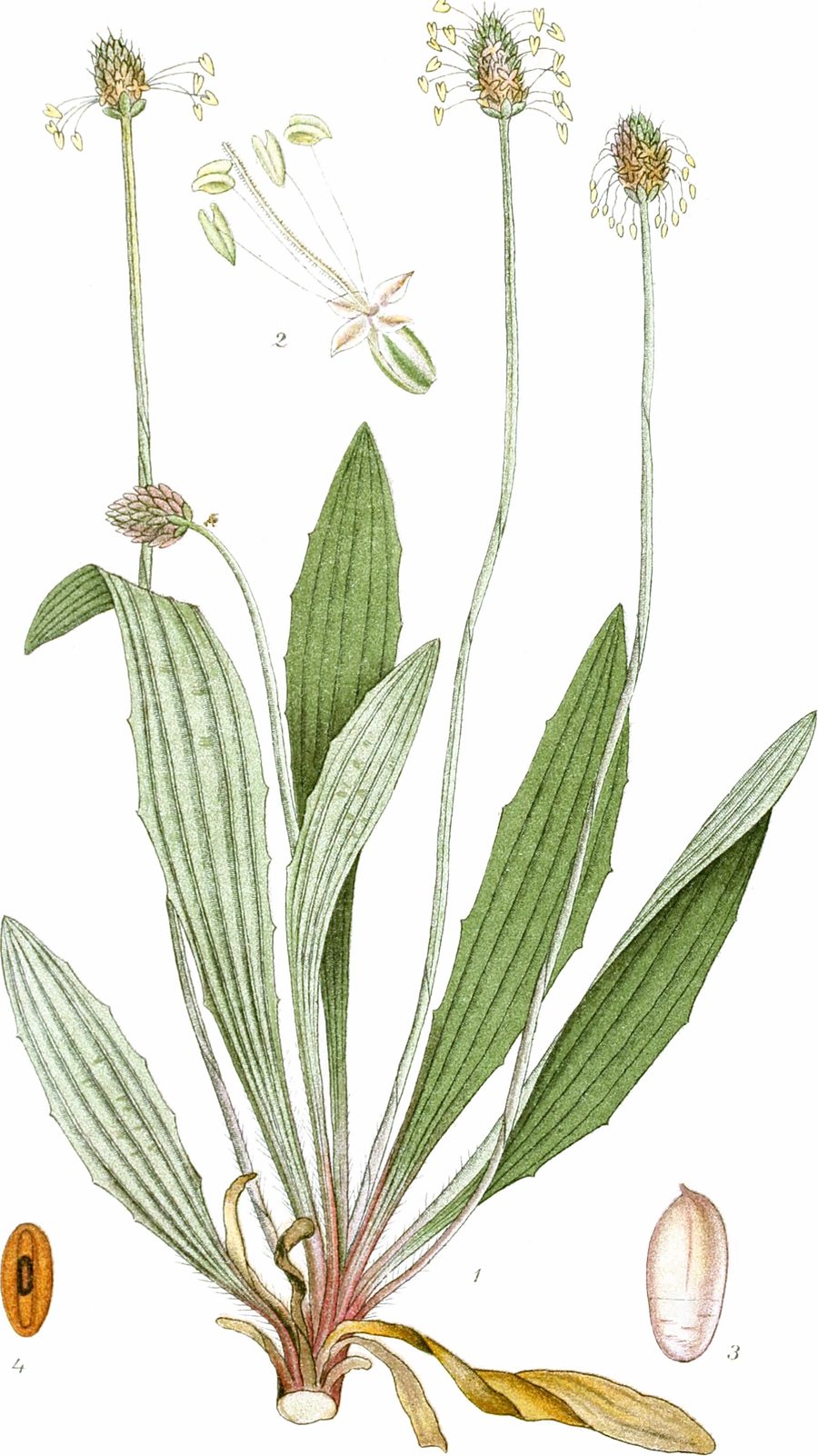
How It Was Used: First aid from the field boundary. The leaf was applied to wounds, bites, and 'the rose' (erysipelas). In whispered charms, it appears as the herb 'that alleviates nine ailments.'
Little-known fact: Old herbals referred to plantain as the 'mother of herbs'; the Anglo-Saxon Nine Herbs Charm lists it right after mugwort.
Dense-flowered mullein (Verbascum densiflorum)
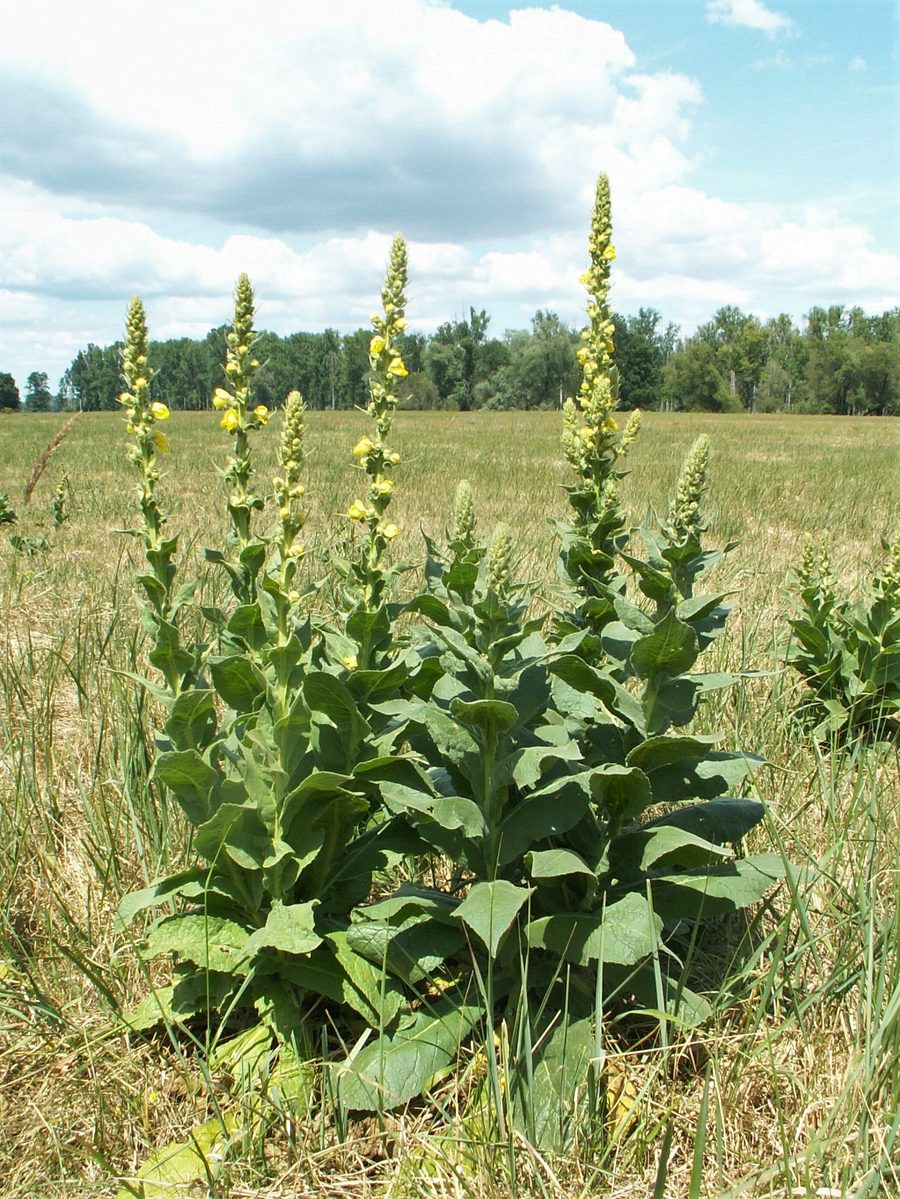
How It Was Used: The golden candle of herb-women. Dried stalks dipped in wax served as torches in rituals, and the flower was used to treat coughs and hoarseness.
Little-known fact: The Polish name for the plant is associated with Dziewanna, the Slavic goddess of the wild and the hunt.
Greater burdock (Arctium lappa)
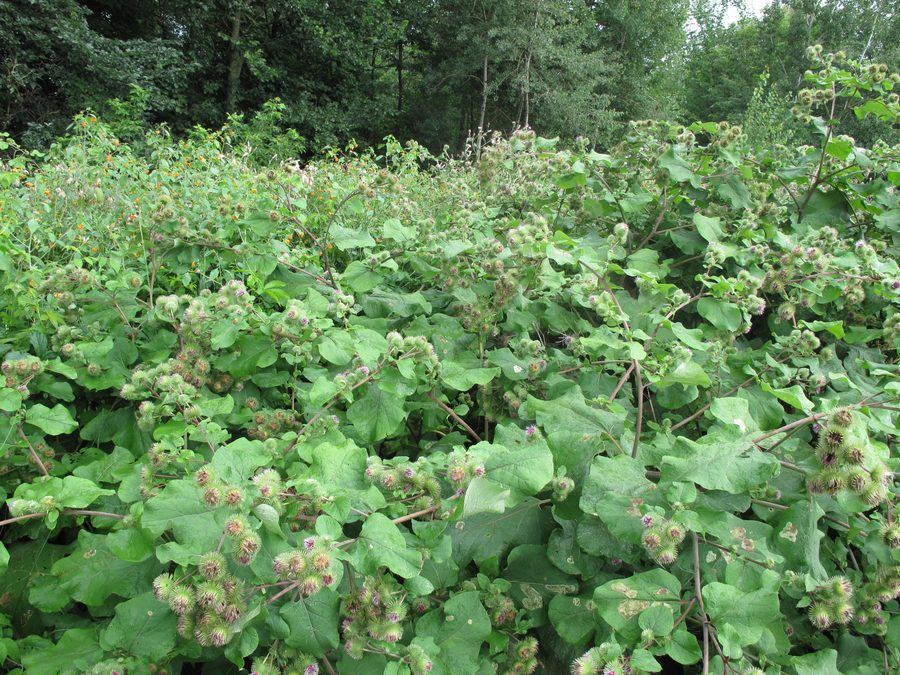
How It Was Used: Its large leaves were placed on the forehead for fever and aching joints. In folk magic, burdock was believed to 'attach' health in the way its burrs adhere to clothing.
Little-known fact: Burdock burrs inspired George de Mestral to invent Velcro in 1941.
Whisperer versus Herb-Woman — What's the Difference?
The whisperer, above all, recites prayers and charms: the word is her primary tool, while wax, flax, and ash assist in 'lifting' the illness. The herb-woman heals with the essence of the plant: infusions, compresses, and baths. For centuries, both traditions intertwined within a single village cottage, with knowledge passed from grandmother to granddaughter.
Facts You May Not Have Known
- Whisperers do not set a price list; they believe that a priced gift loses its power.
- You find a good whisperer 'by the thread': their contact is spread by word of mouth, never through advertising.
- The charm is spoken in a whisper because when spoken aloud, it 'escapes' — hence the name szeptucha.
- Many whisperers will first send you to a doctor: they treat what 'the doctor cannot see.'
Experience the Wisdom of Herbs on Ezostylia
In the app, you will find the Book of Herbs with properties, rituals, and uses alongside runes, tarot, and the whole spectrum Life MapRemember: folk knowledge is a beautiful heritage and source of inspiration, but it is not a substitute for professional medical advice.
Photo sources: Wikimedia Commons (public domain / CC), including Köhler's Medizinal-Pflanzen (1897). Ethnographic sources: research on Podlasie folk medicine (Medical University of Białystok, University of Białystok) and ethnographic accounts from whisperers in the Orla and Hajnówka regions.
Sources
- Ezostylia — editorial team — a description of the platform's tools and sections. Link