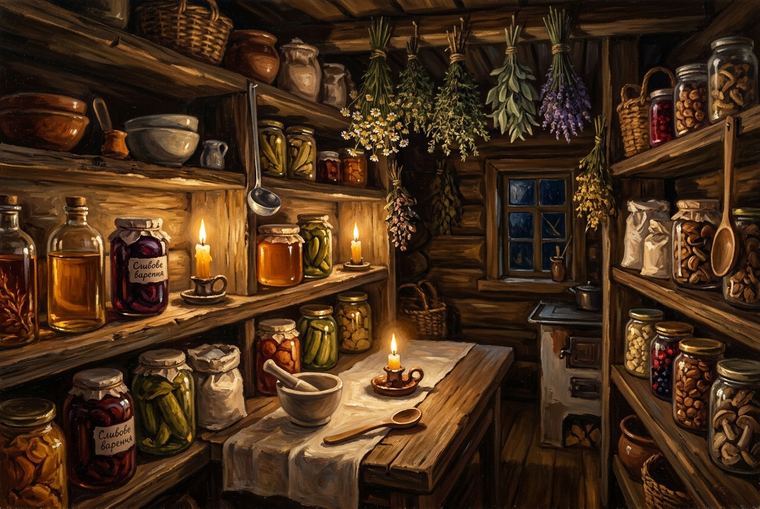
Herbal amulets are a lovely way to attract positive energy into your life. Discover which herbs to select and how to incorporate them into your amulets.
What Herbs for Amulets? A Guide to Powerful Herbs
What are herbal amulets?
Herbal amulets are small, personal objects that blend the symbolism of plants, intention, and a simple ritual. They can take the form of pouches, pendants, paper packets, or small everyday items that you carry with you. In esoteric practice, herbs have long been viewed as carriers of qualities such as calm, protection, clarity of mind, or the attraction of favorable circumstances. However, such an amulet doesn't work “automatically” — it gains meaning through your attention, focus, and the significance you attach to it. That personal symbolism is its most crucial element.
The brief history of herbal amulets can be traced back to ancient folk traditions, where plants were kept in homes, near doorways, under pillows, or incorporated into small charms designed to protect against hardship. In various cultures, dried herbs were placed in sachets, carried close to the body, or utilized in cleansing rituals. Over time, these practices evolved into modern esotericism, where they are combined with the symbolism of energy, intention, and personal choice. It forms a simple yet deeply rich spiritual language.
In practice, an herbal amulet is primarily intended to remind you of a chosen intention and to support it through the symbolic presence of plants. For some, it may represent protection and comfort; for others, motivation, focus, or a sense of order. It's beneficial to select herbs thoughtfully so that their meanings align with your goals. If you're looking to deepen your work with symbolism and intuition, tarot it can also be helpful, as it often reveals which energy best supports a specific stage of your journey.
The best herbs for amulets
Choosing herbs for an amulet depends on the intention you wish to embed within it. One of the most frequently chosen herbs is lavender, associated with calm, harmony, and relief from tension. It works beautifully in amulets created for peace, sleep, and clear thinking. Rosemary, on the other hand, is often used when you want to cleanse a space and enhance concentration. Its clear, decisive nature is why it frequently appears in protective amulets.
Sage is valued for its symbolism of cleansing and letting go of what feels burdensome. In amulets, it can support new beginnings, energy clearing, and establishing boundaries. Mint, by contrast, is linked with freshness, lightness, and flow, making it a favorite among those seeking more energy for action or openness to new ideas. Other popular choices include bay leaf, symbolically associated with success and goal fulfillment, and chamomile, connected with gentleness and comfort.
In practice, what matters is not only the herb itself, but also the preparation of the amulet. Dried plants are typically placed in a pouch, paired with a fabric color, or aligned with a specific purpose. It's best to choose one, or at most a few plants, rather than mixing too many meanings at once. This way, the amulet remains clear and personal. If you're seeking additional support in selecting an intention, you can complement your herbal work with your horoscope or a brief numerology insight, and then adjust your choice in alignment with what already resonates with you.
How to create an herbal amulet?
The ideal starting point for crafting an herbal amulet is to begin with a calm intention. First, select a small pouch made of natural fabric, such as linen or cotton, or a simple piece of paper to fold into a packet. Inside, place herbs that correspond to the goal you wish to support: protection, comfort, focus, or openness to clear thinking. In esoteric practice, simplicity is key, as it helps channel energy toward a singular message rather than scattering it across too many elements.
You can also add a symbolic detail to the amulet, such as a small stone, a ribbon, a piece of string, or a note containing your written intention. The significance lies not in the object's material value, but in the meaning you assign to it. If you're creating a protective amulet, a combination of herbs with a personal symbol works well, reminding you of boundaries and tranquility. Many people associate such a ritual with a brief meditation or a card from tarot to better express the theme they are focusing on.
Keep the finished amulet in a place where it can genuinely support your daily life. It can rest by your bed, in your bag, in a drawer with documents, or on a home altar. It's important that this location remains dry and clean, as herbs naturally lose their aroma and freshness over time. If you wish, you can periodically hold the amulet in your hands, recall your intention, and gently recharge it, without overly elaborate rituals or haste.
The meaning of herbs in esotericism
Herbs have long occupied a significant role in spiritual practices because they embody the simplicity of nature woven into everyday rituals. In esotericism, their role extends beyond mere scent or appearance; they carry profound symbolism. Some herbs are associated with protection, others with cleansing, and still others with calm or courage. Rosemary is often interpreted as an herb of clarity and order, lavender as a symbol of comfort, and sage as a plant that aids in closing a chapter. Mint frequently embodies lightness and progression, while bay leaf is linked to determination and a sense of purpose. It is this rich layer of meaning that makes herbs popular in amulets, ritual baths, meditations, and home rituals centered on intention.
In spiritual practice, herbs assist in focusing attention. When you choose a specific plant, it becomes easier to articulate what you truly need. This gesture serves as a small anchor for the mind, which often drifts between fear, exhaustion, and overwhelming stimuli. Herbs in an amulet not only serve as ingredients but also symbolize decisions: “I want to protect myself,” “I want to soothe my emotions,” “I want to return to my true self.”
It’s important to remember that the meaning of herbs is best understood through your own experiences rather than relying solely on pre-written descriptions. What brings comfort to one person might symbolize cleansing or new beginnings to another. That’s precisely why mindfulness, simple rituals, and personal associations are crucial in esotericism. Herbs don’t have to be complicated to be meaningful. What truly matters is that they are chosen thoughtfully and with respect for their intended purpose.
Protective Herbs for Challenging Times
In overwhelming moments, many individuals turn to herbs that symbolically offer protection, calmness, and stability. Common choices in this category include sage, rosemary, lavender, juniper, and mugwort, though it’s essential to tune into your intuition and the intent behind the ritual. During tough times, the goal isn’t to achieve a dramatic effect but to signal that you are honoring your boundaries, order, and inner support. An herbal amulet can serve as a reminder of strength and mindfulness.
A tangible example is carrying a small pouch of lavender and rosemary in your pocket on days when chaos or tension feel overwhelming. Lavender can symbolically quiet inner noise, while rosemary aids in maintaining clarity of thought and providing direction. Such an amulet won’t solve your problems, but it can become a calming point of reference: just take it out for a moment, breathe deeply three times, and remind yourself of what truly matters today. It’s a simple way to shift your focus from chaos to action.
If you seek symbolic support during turbulent times, select herbs associated with cleansing and space protection. Sage is often chosen for clearing energy, rosemary for enhancing clarity, and lavender for alleviating tension and restoring harmony. Their message is straightforward: pause, breathe, and distinguish what belongs to you from what burdens you. In this approach, the amulet isn’t designed to ‘fix’ life but to assist you in navigating a challenging period with greater peace.
Amulets and Herbal Meditation
An herbal amulet can serve as a very simple focal point during meditation. Instead of starting from a place of emptiness, hold a small pouch or packet of herbs in your hands, directing your attention to the scent, texture, and symbolism of the plants. Such an object helps still the stream of thoughts, as it provides the mind with something concrete and immediate. In spiritual practice, this is often sufficient to achieve a calmer state of focus without the pressure of a ‘perfect’ meditation.
Specific herbs work well for meditation when selected with intention. Lavender assists in entering a peaceful state before sleep or after a stressful day. Chamomile nurtures gentle calm when you need a smooth transition from activity to rest. Sage can be utilized when you wish to symbolically clear your mind of excess worries, and mint fits well for meditating on freshness and the lightness of breath. Simply sit comfortably, hold the amulet in your hands, and focus for a few minutes on just one sensation.
You can meditate with an amulet before sleep, following a difficult day, or prior to an important meeting. If you seek emotional support, select herbs connected with comfort. If protection is your aim, center your thoughts on feelings of boundaries and safety. This practice doesn’t require complicated tools but can help establish a rhythm that promotes everyday balance. It’s most effective when performed regularly, quietly, and without tension.
FAQ – Frequently Asked Questions
How long can you use an herbal amulet?
You can use an herbal amulet for as long as its intention continues to serve you and the herbs remain fresh. There isn’t a singular strict rule; it all depends on the types of plants, how they are stored, and your feelings about them. When you notice the scent fading, the herbs crumbling, or the amulet no longer resonating with your goal, it’s worth refreshing it or creating a new one. Mindfulness is key in esotericism, not obligation.
Which herbs are best for a first amulet?
To begin, it’s best to select a simple and clear combination. A good choice is lavender for peace or rosemary for protection and clarity. If you’re crafting an amulet for restful sleep, you can combine lavender with a touch of chamomile. If you need an energy boost for action, mint will feel lighter and more invigorating. One purpose with one or two herbs typically suffices.
How do you refresh the power of herbs in an amulet?
The easiest method is to hold the amulet in your hands, concentrate on your intention, and breathe calmly for a moment while recalling its purpose. You can also replace some of the herbs with fresh ones, air out the pouch, or set it in a dry, clean space. If used as a symbol of protection, a brief ritual to clear your space can also prove beneficial. The goal is a straightforward gesture that reinstates attention and significance.
Where is the best place to store an herbal amulet?
The ideal place is one that aligns with your intention and is dry, clean, and tranquil. A protective amulet can be positioned by the entrance, beside your bed, or in a personal space where you keep small meaningful items. If it’s meant to facilitate focus, you might carry it with you or place it in your meditation area. Avoid dampness and strong sunlight, as herbs can lose their natural essence over time. Consistency and respect for the symbol are more important than decoration.