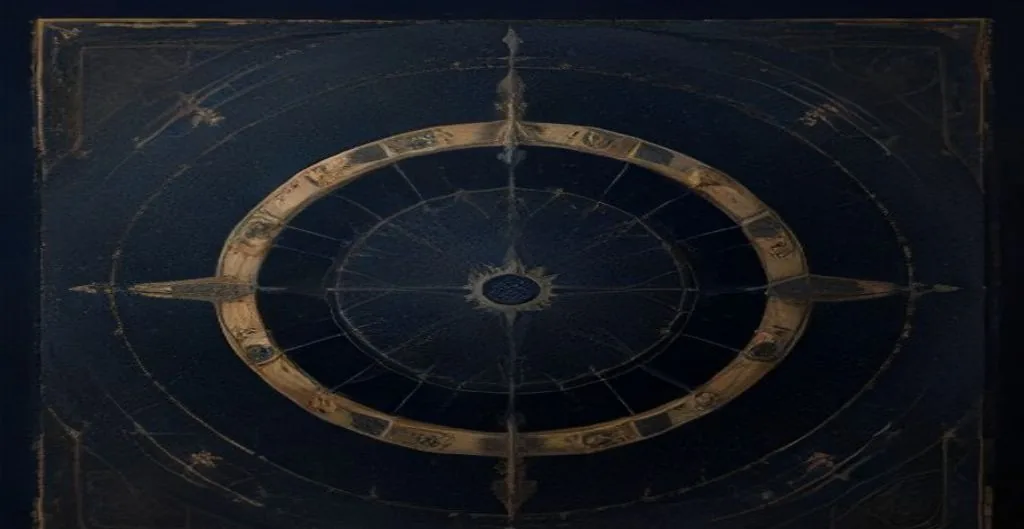
Vedic and Western astrology offer unique insights into your life. Explore how these systems differ and influence your spiritual practices on Ezostylia.
The Essential Differences Between Vedic and Western Astrology
Astrology is a fascinating field of study that helps people understand their lives and the world around them through the influence of celestial bodies. Two of the main astrology systems used today are Vedic and Western astrology. While both offer insights into personal and spiritual development, they approach these insights from different perspectives. This article explores the essential differences between these two systems, particularly in relation to online tarot, numerology, and other practices offered through the esoteric app Ezostylia.
Try our tool: daily horoscope.
Origins and Historical Context
Vedic astrology, also known as Jyotish, has its roots in the ancient Indian Vedas, sacred texts that provide guidelines for spiritual practices. Jyotish means 'science of light,' and this form of astrology has been practiced for thousands of years as a spiritual tool to understand the karma and dharma guiding an individual's life.
Western astrology, on the other hand, traces its origins back to Babylonian and Hellenistic practices, evolving over the centuries through Greek and Roman influences into the zodiac system widely recognized today. While both systems are geocentric, meaning they consider Earth the center of the universe, their methods of calculation and interpretation of astrological data differ significantly.
Core Computational Differences
A fundamental distinction between Vedic and Western astrology lies in the calculation of celestial positions. Vedic astrology uses the sidereal zodiac, which is based on the actual positions of the constellations in the sky. Western astrology employs the tropical zodiac, which is aligned with the seasons and fixed, roughly based on the Sun's position at the spring equinox.
For those who consult the Ezostylia numerology tool, understanding these differences can deepen insights into birth charts and destiny paths. Vedic astrology offers a more fixed perspective, while Western astrology accounts for astrological cycles aligned with earthly seasons.
Interpretation of Zodiacs and Signs
The zodiac signs in each system hold different meanings and traits. Vedic astrology assigns a deeper spiritual purpose to the signs, often linking them with karma. Western astrology, however, tends to focus on psychological insights and personality traits. Such interpretations have practical implications for those using online divination tools such as the Ezostylia moon phase calendar or online tarot readings.
- Vedic astrology utilizes a lunar calendar.
- Western astrology follows a solar calendar.
- Both systems use twelve zodiac signs but in different spatial alignments.
House Systems and Chart Layouts
Another key difference is how charts are structured. Vedic astrology uses whole sign houses, meaning each sign is a house on its own, which offers stability in interpreting one's destiny matrix. Western astrology often employs the Placidus or other uneven house systems, which provide a nuanced approach to interpreting individual sectors of life such as love, career, and spirituality.
This structural difference is crucial for those interested in the Ezostylia destiny matrix, as it affects how life paths and influences are perceived and interpreted.
Role of Planetary Aspects and Positions
In the Vedic system, significant attention is given to the Moon's nodes, Rahu and Ketu, which are considered essential for comprehending karmic and spiritual lessons. In contrast, Western astrology focuses more on contemporary planetary aspects and their psychological effects. This difference introduces diverse philosophies to readings be explored through online tarot or online runes, where spiritual guidance is provided based on one's beliefs and the philosophical perspective of the practitioner.
Spirituality and Practical Application
Both systems offer valuable insights but differ in their spiritual and practical applications. Vedic astrology delivers detailed predictions and is closely linked to spiritual practices, while Western astrology tends to be more flexible and geared toward psychological analysis. For those exploring spirituality using the Ezostylia esoteric app, understanding these differences helps in selecting the most appropriate astrological guidance for personal growth and self-discovery.
- Vedic astrology aligns with spiritual practices like meditation and karma resolution.
- Western astrology aligns with personal development and psychological evaluation.
- Both systems can complement other forms of online divination.
FAQ
What are the main differences between Vedic and Western astrology?
Vedic astrology uses the sidereal zodiac and is deeply linked to spiritual and karmic insights, while Western astrology uses the tropical zodiac and focuses on psychological and seasonal influences.
How do these astrology systems affect online divination tools?
Vedic and Western astrology provide varied interpretations that shape tools like online tarot and online runes by offering different viewpoints on life events and personal characteristics.
Which system is better for spiritual exploration?
It depends on the individual's beliefs and goals. Vedic astrology may be better suited for those seeking spiritual growth, while Western astrology could appeal to those focusing on psychological insights.
Can I use both astrology systems together?
Yes, many practitioners integrate aspects of both to gain comprehensive insights. Tools like Ezostylia can help align these perspectives for enriched spiritual guidance.
Sources
- Esoteric Tradition — the symbolism of tarot, runes, and numerology passed down through European culture.
- Cultural Symbolism — comparative interpretations of archetypes and signs.