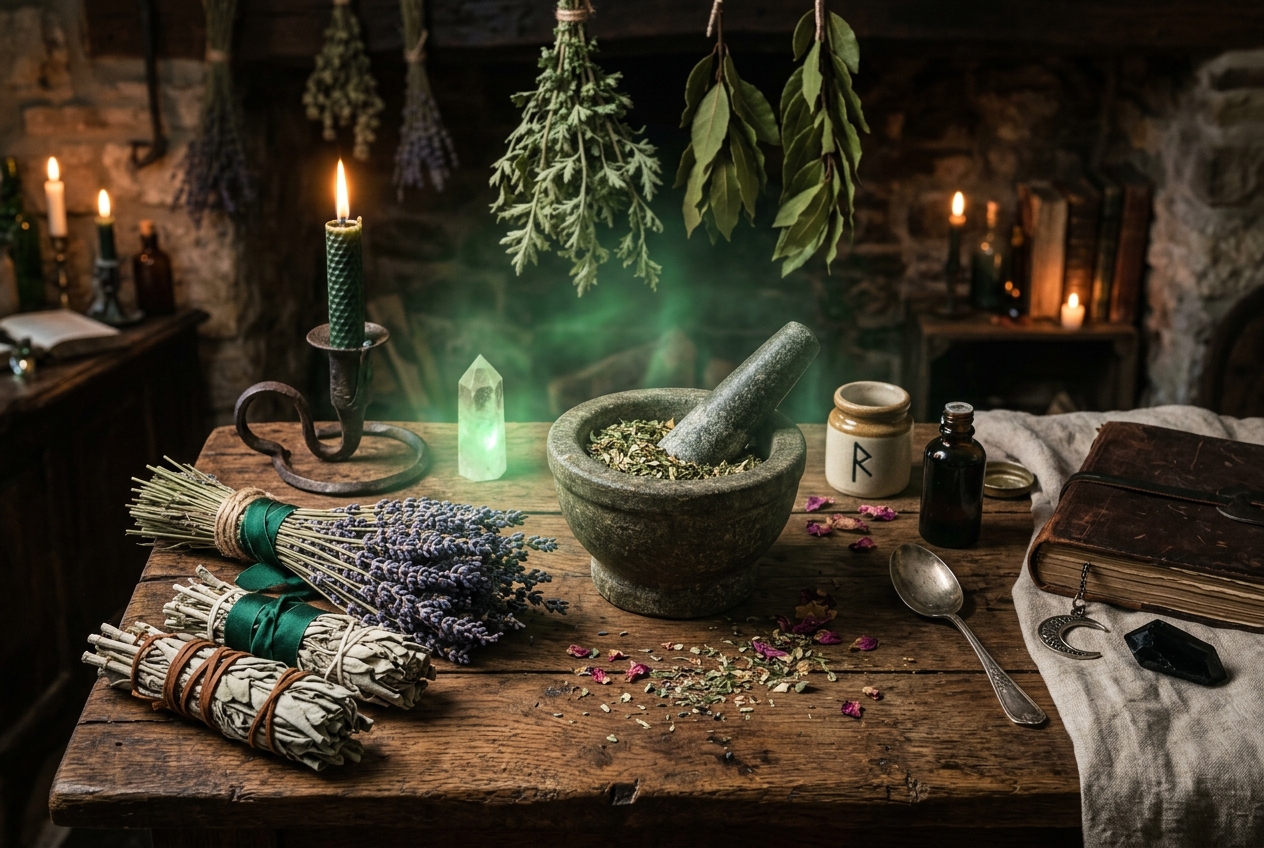
Herb Symbols in Rituals – Discover Their Power and Meaning
Introduction to the Power of Herbs
Herbs have been cherished in rituals and spiritual practices for centuries. In numerous cultures, their power is tied to the natural order, with their use in ceremonies designed to amplify intentions and harmonize with the forces of nature. Herbs draw attention not only for their properties but also for the symbolism they embody.
When included in rituals, herbs can act as catalysts, enhancing the energy of our actions and intentions. Specific herbs like sage or lavender are often imbued with particular meanings, making them essential components of any ceremony. Understanding their symbolism paves the way for richer spiritual experiences.
Herbs in Esoteric Traditions
In various esoteric traditions, herbs hold significant roles. For example, in herbal traditions or shamanic practices, certain plants are utilized to invoke spirits or facilitate healing. Herbs such as garlic or thyme are recognized for their protective qualities, making them frequently used in rituals focused on safeguarding.
Within the realm of herbal magic, some herbs like mint are linked to attracting love and harmony, while others, like nettle, help cleanse and shield against negative energies. Delving into these traditions enhances our understanding of how herbs can support us in our spiritual journeys.
Symbols and Their Meanings
Each herb carries a wealth of symbols and meanings integral to its use in rituals. For instance, rosemary symbolizes memory and loyalty, which is why it is commonly employed in ceremonies concerning love and family. Thus, herbs not only bolster our intentions but also honor the values we hold dear.
These symbols may vary across cultures and traditions, yet their core meanings often remain consistent. When examining the use of herbs in rituals, it is crucial to consider their assigned symbols and how they resonate with our intentions. A proper grasp of herb magic can lead us to profound insights into our spiritual path.
FAQ
What herbs are best suited for rituals?
Herbs with strong symbolic properties are most frequently utilized in rituals. Sage, lavender, rosemary, and mint are excellent examples, boasting a variety of applications and meanings.
Can herbs be used in daily spiritual practices?
Absolutely! Herbs can be effectively integrated into daily spiritual practices. We can use them in meditation, during cleansing baths, or as altar elements, each of which can enhance our spiritual experience.
Rituals Using Herbs
For centuries, herbs have been utilized in various rituals and ceremonies. In numerous traditions, they embody symbolism that bolsters the intentions of those performing the ritual. One of the most popular practices involves burning herbs as incense, with sage, thyme, or rosemary playing key roles. Their smoke is meant to purify the space and promote harmony.
To fully harness the power of herbs in rituals, it is beneficial to focus on their symbolism and properties. When selecting herbs, consider not just their fragrance but also the intended purpose of the ritual. Different herbs attract distinct energies, so before using them, meditate on what you truly need. You can find more information on this in our app.
Protective and Attracting Herbs
In the realm of protective herbs, lavender shines due to its reputation for warding off negative energies and fostering tranquility. Nettle is another valuable herb that can create a protective barrier against harmful influences. Incorporating these plants into protective rituals can instill a sense of safety and support.
Attracting herbs such as basil or fennel can assist us in manifesting our desires. Their presence during rituals encourages us to embrace new possibilities and the abundance of life. We invite you to delve into the knowledge of these herbs in our app, where you can also find relevant matrices for flowers and herbs.
Therapeutic Properties of Herbs
Herbs are renowned for their therapeutic properties, which can bolster our well-being in daily life. Infusions of lemon balm or mint encourage relaxation and calmness, especially beneficial when preparing for rituals. A ritual that melds herbs with meditation can enhance our understanding of ourselves and our needs.
It's important to remember that herbs can elevate not only the energetic aspect of rituals but also their therapeutic dimension. Proper usage can significantly enhance daily life, integrating seamlessly into esoteric practices. Explore our sections dedicated to herb knowledge to unlock their full potential.
FAQ
What herbs are best for rituals?
The best herbs for rituals should be chosen according to the objective you wish to achieve. Sage effectively cleanses energy, while mint draws in positive vibrations. Lavender and basil, known for their distinctive properties, are also excellent choices.
Do herbs have different meanings in different cultures?
Yes, herbs can carry different meanings depending on cultural contexts. For instance, in one tradition, lavender symbolizes love, while in another, it may be viewed as a cleansing plant. Understanding these variations enriches the experience of rituals.
How to prepare herbs for rituals?
To prepare herbs for rituals, it's best to harvest them at the optimal time based on their properties. They can then be dried, burned as incense, or made into infusions. Adding a personal intention enhances their effectiveness.