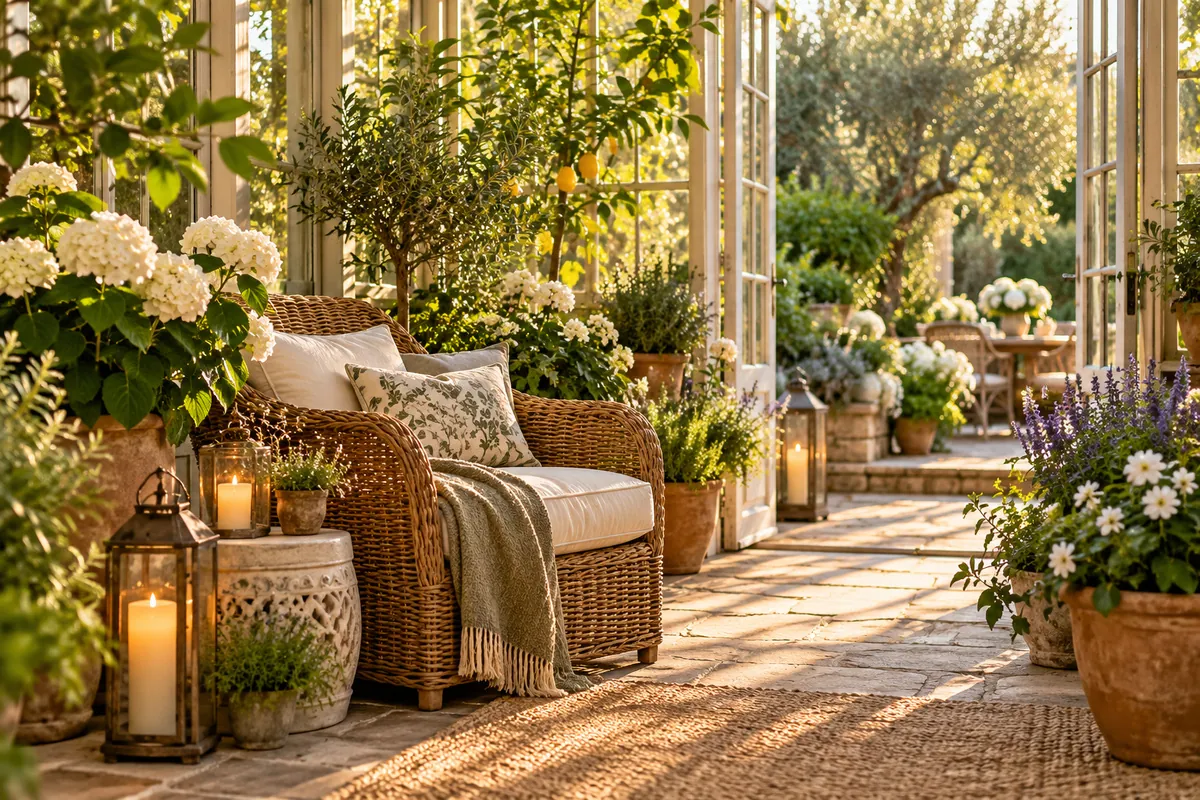
Explore how to consciously select appliances and furniture to enhance comfort and reduce your bills. Practical advice on energy ratings and material quality.
How do I start planning my home furnishing?
Planning your home furnishing begins with understanding your needs, budget, and available space, rather than current promotions.
Before visiting a store, it's advisable to make a priority list and categorize it into essentials, comfort, and decorative items. This helps avoid impulsive purchases that stretch your budget without enhancing the functionality of your space. Be sure to measure the rooms accurately, considering the width of doors and stairwells if you’re planning to move large items. Many people overlook this detail, leading to situations where a purchased sofa won’t fit in the elevator or the room.
Your furnishing budget should be at least 30-40% of the value of your apartment or house, including a reserve for unforeseen expenses, such as assembly or minor repairs. If your budget is tight, it’s wiser to spread your purchases over time, prioritizing items that wear out quickly, like a bed, office chairs, or kitchenware. Other elements can be added gradually, allowing you to better assess what you truly need versus what merely occupies space.
The next step is market research. Rather than making an immediate purchase at the first store you visit, it’s beneficial to compare technical specifications and user reviews. Modern e-commerce platforms and catalogs, like our home furnishing catalog, let you filter products by specific criteria, saving you time and enabling you to focus on quality rather than just price.
Considering the long-term is also important. Home furnishing is an investment for years to come, so when selecting essential items like a kitchen or bathroom, it’s wise to choose materials that are durable and can withstand changing trends. Neutral colors and classic forms of furniture are easier to integrate into future updates, reducing the need for a complete overhaul every few years.
How can I choose energy-efficient appliances?
When selecting appliances, the energy class, actual electricity and water consumption, and the durability of components are crucial.
An energy class rating of A+++ or A++ (new A-G scale) ensures lower operating costs, but it’s important to check the specific consumption in kWh per cycle rather than just the overall rating. There can be significant differences between models within the same class. For example, a washing machine that consumes 45 kWh annually entails a different expense compared to one that uses 60 kWh, which could mean hundreds of zlotys difference over ten years. It’s also wise to consider water consumption, as this can impact your bills, especially with softeners or filtration systems.
According to the European CommissionThe energy efficiency of buildings and the appliances within them is crucial for reducing energy consumption in households. This means selecting energy-efficient devices for lighting, heating, and air conditioning can greatly minimize a household's carbon footprint. Modern appliances, like refrigerators with inverter technology or dishwashers equipped with load sensors, adjust energy usage to meet actual needs, unlike traditional models.
When purchasing large appliances, such as ovens or washing machines, pay attention to certifications from independent research institutes and the manufacturer's warranty. A longer warranty (e.g., 5-10 years on the compressor) often indicates the manufacturer’s confidence in the product’s quality. Remember, higher prices don’t always guarantee better durability; what matters is the brand’s reputation for service and the availability of spare parts. The location of purchase also matters; buying from local brands or those with a robust service network in Poland can reduce repair times.
It’s also worth exploring the option of purchasing used equipment from outlets or those with minor cosmetic defects. For appliances with similar technology, the price difference can be significant, while functionality remains the same. It’s essential to check the technical condition and service history to avoid hidden defects. This approach combines savings with environmental responsibility, extending the lifespan of devices.
What does furniture quality entail, and how can I assess it?
Furniture quality is assessed based on materials, construction, fittings, and finish, not just appearance.
For upholstered furniture, pay attention to foam density (higher density = longer lifespan) and fabric type. Fabrics with high abrasion resistance (measured by the Martindale test) are ideal for living rooms and areas with heavy use. In the bedroom, less resistance is acceptable, but comfort to the touch is more important. It’s advisable to ask sellers about technical specifications, not just the material name.
When it comes to wooden furniture, the type of wood and the method of processing are key considerations. Solid wood (like oak, beech, or ash) is far more durable than particle board or MDF but requires regular maintenance. Laminate furniture boards are more affordable and easier to maintain but are prone to mechanical damage and moisture. Fittings, hinges, and slides are the heart of the furniture—cheap fittings wear out quickly, leading to squeaky and sagging drawers. It’s worth investing in furniture with soft-close hinges, which enhance comfort and protect the structure from impacts.
Ergonomics is just as important as aesthetics. A work chair should have adjustable height, backrest, and armrests to support proper posture. A dining table must be the appropriate height (usually 75 cm) and width to comfortably accommodate household members. In small apartments, multifunctional furniture, such as sofas with storage for bedding or tables that can be extended or folded, enhances functionality without taking up extra space. This approach aligns with the principles of minimalism, which we discuss in the article. Minimalism in the living room: how to organize the space..
Colors and finishes should harmonize with the atmosphere of the interior, but also be practical. Dark colors on kitchen furniture show dust and fingerprints more quickly, increasing the frequency of cleaning. Light, matte surfaces are more forgiving but may require protection against stains. Before purchasing, it's wise to request a material sample and test its resistance to dirt in real home conditions. Such a simple test can help you avoid disappointment after a few months of use.
How do materials impact indoor air quality?
New furniture, paints, and fabrics can emit volatile organic compounds (VOCs) that affect indoor air quality.
According to the The US EPAIndoor air quality is often worse than that of the outdoors, primarily due to emissions from building materials, furniture, and cleaning products. Volatile organic compounds, such as formaldehyde or benzene, can cause respiratory irritation, headaches, and allergies. The sources of these substances are adhesives, varnishes, and synthetic fabrics, which gradually release chemicals during the initial weeks and months after assembly.
To limit exposure, it's advisable to choose furniture with ecological certifications, such as FSC (for wood) or OEKO-TEX (for fabrics). These certifications ensure that emission levels are kept within safe limits. It’s also beneficial to ventilate rooms intensively for the first 2-4 weeks after introducing new furniture to 'evaporate' any remaining chemicals. When painting walls, opt for low-VOC or solvent-free paints that emit fewer volatile compounds.
Potted plants can aid in air purification, although their effectiveness is limited compared to proper ventilation. Studies, such as the NASA Clean Air Studyindicate that plants like ferns or the areca palm can absorb certain pollutants, but significant quantities are needed to make a measurable impact in typical rooms. Treat them as decorative elements that enhance aesthetics, rather than relying on them as the main means of air purification.
It's also important to pay attention to finishing materials, such as flooring, carpets, or window treatments. Polypropylene carpets can emit more VOCs than panels made from natural fibers. Regular cleaning and changing filters in air conditioners or mechanical ventilation systems help maintain clean air. A conscious choice of materials is an investment in the health of household members, especially children and those with allergies.
How can I optimize a small space?
Optimizing small spaces requires selecting multifunctional furniture, utilizing vertical space, and embracing minimalist aesthetics.
In studio apartments and small flats, every centimeter counts. Instead of a standard sofa and a separate bedroom, consider a bed with storage for bedding or a sofa bed with hidden storage. A table with a top that can be extended or folded allows for flexible space management during everyday life and gatherings. Furniture on legs visually 'floats,' creating an impression of lightness and increasing the perceived square footage.
Vertical space is essential for organization. Floor-to-ceiling shelves allow you to stow away items that are used less frequently, while shelves above the desk or bed increase the work surface. Baskets and labeled boxes help maintain order in drawers and on shelves, which is especially important in small bathrooms and kitchens. It's worth investing in organizational systems, such as pull-out drawers with dividers, to maximize content accessibility.
Colors and lighting also influence the perception of space. Light walls and furniture reflect light, visually enlarging the room. Strategically placed mirrors (e.g., opposite a window) can multiply light and depth. Spot lighting and LED strips under shelves add layers to the interior without making it feel crowded. Wall colors and mood – what does color psychology suggest? – is a topic worth considering when planning small spaces, where color has a stronger influence on the sense of coziness or openness. We recommend reading the article Wall colors and mood to select a palette that suits your needs.
In the case of balconies and terraces, garden furniture should be lightweight, foldable, and weather-resistant. If you have a small balcony, consider plastic or aluminum furniture that doesn't rust and is easy to store during the autumn and winter months. Organizing the balcony in September is the perfect time to assess which furniture is truly used and which can be stored or given away. You can read more about this in the guide Organizing the balcony in September. This approach helps preserve the functionality of the outdoor space without burdening it with unnecessary items.
How should I budget for furnishing?
Budget planning requires categorizing expenses, setting priorities, and accounting for long-term operating costs.
Create a spreadsheet with three columns: purchase cost, transport/assembly cost, and estimated annual operating cost. For appliances, include electricity and water consumption; for furniture, note maintenance costs (e.g., wood treatment). The sum of these values gives the true cost of ownership, not just the purchase price. This method helps compare a more expensive but durable piece of furniture with a cheaper option that may need frequent replacement.
Set priorities: what is essential (bed, work chair, dishes), and what contributes to comfort (sofa, decorations). Start with essential purchases and allocate the budget for comfort items over time. Avoid buying on credit unless they are significant investments (e.g., a kitchen) that will add value to the apartment. Loyalty cards and cashback programs can lower costs, but they require keeping track of promotions and deadlines.
It's also important to consider the costs of future updates. If you're planning a renovation in 5 years, it's wise to invest in furniture with a neutral design that can easily adapt to new trends. Avoid trendy but short-lived patterns that can quickly become outdated. When it comes to appliances, check if the manufacturer offers an extended warranty for a fee — this is often a better investment than opting for a cheaper model with a shorter warranty.
Price comparison websites and reviews on internet forums can be valuable sources of information, but approach them with a critical eye. Look for reviews from users who have tested the product for at least 6-12 months to identify any real issues. In our home and garden catalog., you'll find a section featuring reviews and comparisons to aid in making an informed purchasing decision. Remember, the best purchase is one that aligns with your needs, fits within your budget, and is durable — not necessarily the most expensive option.
What mistakes do buyers commonly make?
The most common mistakes include purchasing without measurements, ignoring energy ratings, lacking a budget plan, and following trends instead of personal needs.
The first and most costly mistake is buying furniture without taking accurate measurements, including the transport routes. Many buyers overlook the width of stairwells or doors, which can lead to returns or lost transport costs. Always measure twice and factor in the space needed to open cabinet doors or pull out drawers.
The second mistake is prioritizing aesthetics over the technical specifications of appliances. A low-energy washing machine may end up costing you more over 5 years than a pricier, energy-efficient model. Always compare kWh and water consumption, not just the price tag. The third mistake is purchasing 'just in case' furniture and accessories that will never be used. It's better to have fewer functional items than a lot of unnecessary clutter that takes up space and requires maintenance.
The fourth mistake is failing to consult experts for major investments, such as a kitchen or bathroom. Getting a project priced by a specialist can uncover hidden costs, such as the need to modify existing installations. The fifth mistake is neglecting ecological considerations and air quality. Choosing cheap board furniture can expose your household members to VOC emissions, which may affect health. Conscious purchasing is not just about saving money; it's also an investment in the comfort and safety of those in your home. By avoiding these mistakes, you'll gain peace of mind and satisfaction from a well-arranged living space.
FAQ
What should you pay attention to when buying a washing machine?
The most important factors are energy rating, drum capacity suited to your household's needs, and noise level. It's also wise to check the warranty and availability of spare parts to avoid costly repairs down the line.
Is more expensive furniture always better?
Not necessarily, but a higher price often reflects better quality materials, fittings, and finish. For long-lasting furniture, like a sofa or table, investing in solid materials pays off in terms of longevity and maintaining aesthetics.
How can you plan the furnishing of a small apartment?
In small spaces, multifunctionality is essential. Look for furniture with storage options, sofa beds, and compact appliances. Utilizing vertical space, like shelves and racks, can help free up floor space and visually enlarge the room.
What affects air quality from purchased items?
New furniture, paints, and fabrics can emit volatile organic compounds. To minimize their impact, consider choosing products with ecological certifications, and ensure good ventilation in the rooms for the first few weeks after introducing new furnishings.
Sources
- US EPA – Indoor Air Quality Link
- European Commission – energy in buildings Link
- NASA Clean Air Study (Wikipedia, with sources) Link