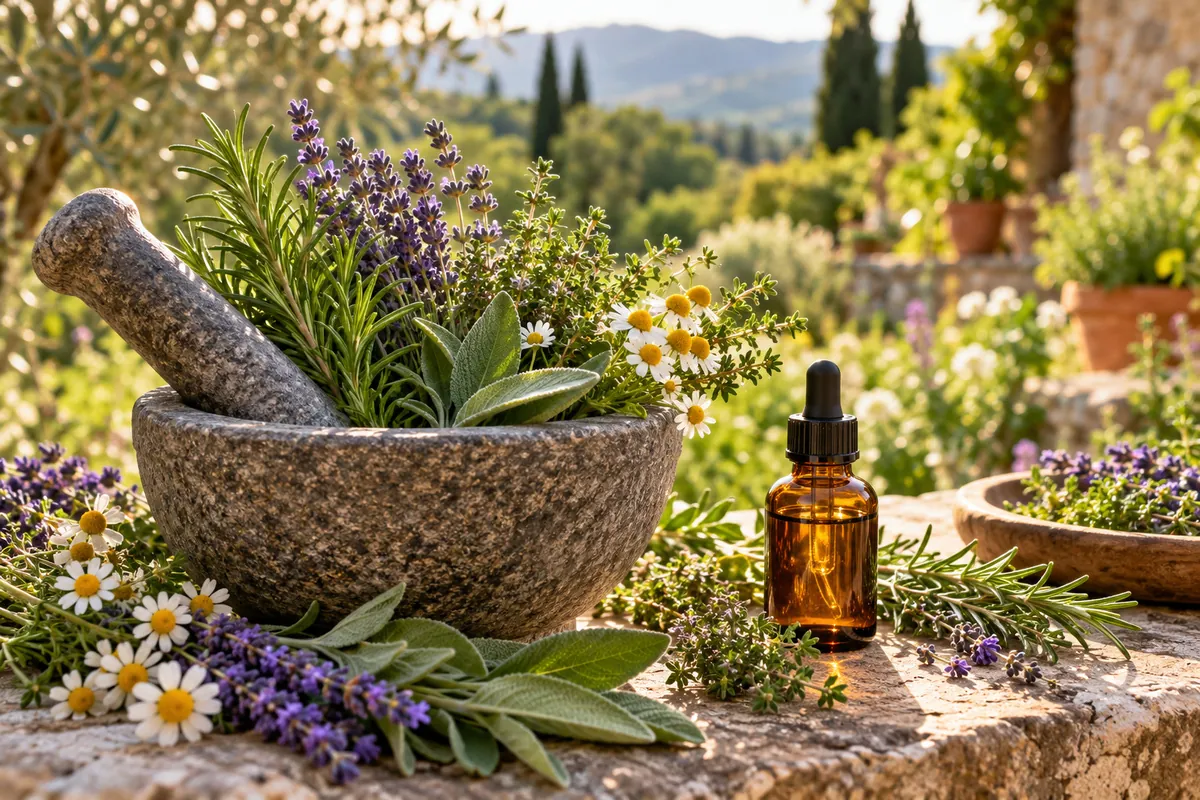
Do you want your home-grown herbs to flourish? Learn about the most common mistakes made by novice gardeners and find out how to avoid them, ensuring fresh leaves throughout the year.
Key takeaways from gardening practice
By analyzing the experiences of gardeners and consulting botanical literature, we can identify several key principles that are essential for success in growing potted herbs. Below are some of the most important ones.
- Drainage is key: Every pot must have drainage holes, and the bottom should be filled with a layer of expanded clay or gravel to allow excess water to drain freely.
- Watering "dry": Herbs prefer the substrate to dry out between waterings rather than being constantly damp. It's always a good idea to check the soil moisture with your finger before watering.
- The right pot: Clay or porous ceramic pots allow roots to "breathe" and reduce the risk of overwatering, while smooth plastic can hinder moisture evaporation.
- Diffused light: Herbs like mint or basil prefer bright locations but should be protected from direct afternoon sunlight, which can scorch delicate leaves.
Applying these principles requires some observation of the plant, as each variety may have slightly different preferences. However, starting with these basics can help you build a strong foundation for growth. Detailed information on the specific needs of individual species can be found in our herb cultivation catalog, which will assist you in selecting the right conditions for each specific type.
Why is overwatering the most common mistake?
Overwatering is the leading cause of death for potted herbs because it results in root rot and the onset of fungal diseases. In a pot, water has nowhere to escape if there is no drainage; as a result, the roots remain submerged in water, preventing them from absorbing oxygen.
In their natural habitat, herb roots have access to ample soil that can absorb excess moisture. In a pot, however, the volume is limited, and watering mistakes can quickly become apparent. A common symptom of overwatering is the yellowing of young leaves, which may fall off even if the substrate appears damp. Botanical studies indicate that root hypoxia (lack of oxygen) can harm plants just as much as drought because it stops the metabolic processes necessary for growth. Institutions focused on plant biology, such as Kew Gardens, stress the importance of proper drainage in cultivating potted plants to avoid such issues.
To prevent this, you should follow the "dry top layer" rule. Before watering, it’s helpful to insert your finger a few centimeters into the soil. If the soil is dry and crumbly, it’s time to water. If it feels damp and sticks to your finger, wait another day or two. This simple test can eliminate most cases of overwatering. Remember that winter is a dormant period for many herbs, which means their water needs decrease significantly.
How to choose the right pot and substrate?
The choice of pot and substrate determines how long the roots will stay healthy and how the plant will cope throughout the season. A common mistake is using pots without drainage holes or overly heavy, clay-like garden soil mixtures that clump together and obstruct airflow.
For herbs, pots made from porous materials, such as terracotta, work best. Their walls enable excess moisture to evaporate, providing a buffer against overwatering. Plastic pots are lighter but require more caution during watering because moisture does not evaporate through their walls. The substrate should be lightweight, permeable, and rich in organic matter, but not composed of heavy clay particles. Pre-made general-purpose substrates with added perlite typically suffice, but can be enhanced by incorporating some sand or bark to improve drainage.
It’s also important to consider the size of the pot. A pot that is too large can create an issue – the plant must first fill the entire volume with roots before it can grow vigorously, during which time excess water may remain in the soil and lead to rotting. A better strategy is to start with a smaller pot and gradually transplant to a larger one as the roots begin to emerge from the drainage holes. This approach helps maintain a balance between root mass and substrate volume. If you're planning to cultivate a larger collection, it’s worthwhile to check our Herb Catalog to select species with similar needs, which will ease the process of growing them together.
What mistakes do we make regarding lighting and temperature?
Insufficient light exposure and excessively dry, warm air are another set of common mistakes that lead to weak, leggy plants. Culinary herbs such as basil, mint, or parsley are light-loving plants that require bright conditions for most of the day.
A north-facing windowsill is usually too dark for most herbs, causing stems to stretch (etiolation) and leaves to lose their vibrancy. East or west-facing windowsills are ideal, as they provide gentle morning or afternoon light. However, avoid exposing your plants to the hot midday sun, which can act like a magnifying glass through the glass and scorch the leaves. During the autumn-winter period, when days are shorter, even an east-facing windowsill may not be sufficient, so consider using plant lamps that provide 12 to 14 hours of light each day.
Temperature and humidity also play a crucial role. Heated homes often have very dry air, which encourages the development of pests like aphids or spider mites that prey on stressed herbs. Regularly misting the leaves (avoiding direct sunlight) or placing the pot on a tray filled with expanded clay and water can help boost local humidity. Remember that herbs dislike drafts from radiators or artificial heat sources. Following these guidelines will help keep your plants healthy, which is especially important if you plan to use them to prepare nourishing drinks, more details of which you can find in the article. Sleep teas: what really works according to research.
How to properly provide nutrients to herbs?
Neglecting fertilization or over-fertilizing are two common mistakes that can stunt the growth of herbs. Potted plants have limited access to nutrients, which can become depleted over time, especially with frequent leaf harvesting.
Fertilization should be gentle and consistent during the growing season (spring-summer). It's advisable to use liquid organic or universal fertilizers at half strength every 2-3 weeks. Overfeeding with strong mineral fertilizers can scorch the roots, resulting in browning leaf tips. It’s important to fertilize only well-watered soil to minimize the risk of irritating the root system. During the autumn-winter period, when growth slows, fertilization should be reduced or stopped entirely to avoid stressing the plant during its dormant phase.
Basil and mint are nutrient-hungry plants that quickly react to nutrient deficiencies, while lavender or thyme are more resilient and may struggle with excessive nitrogen fertilization, which leads to lush but weak growth at the expense of aroma. Therefore, selecting the right fertilizer for each species is essential. If you're unsure whether your herbs are healthy and safe for consumption, it's wise to consult an expert or check resources from health institutions, such as NCCIH (NIH), which offer clear information about herbs and their effects on the body. Remember that a healthy plant is the foundation for safely utilizing its benefits.
How to avoid pests and diseases indoors?
Pests and fungal diseases are the enemies of home herbs, often arising from environmental stressors like overwatering or excessively dry air. Aphids, spider mites, and downy mildew are common issues visible as white deposits or
tiny insects.
Prevention is key. New plants should be quarantined for a week to ensure we don’t introduce pests into the existing collection. Regularly inspecting the leaves on both sides allows you to spot problems early, when they can be easily removed manually or by rinsing the leaves with lukewarm water. In case of severe infestations, you can use potassium soap-based treatments, which are safe for both plants and humans, but always follow the instructions. It’s crucial to avoid transferring pests between plants by using clean hands and tools. If the issue persists, check for hidden fungal diseases in the soil, which may require repotting and sterilizing your tools. Institutions like EFSA monitor food safety, including herbs, making cultivation hygiene vital for safe consumption.
It's also worth remembering to rotate plant positions and clean pots regularly between seasons. Old soil may harbor pest eggs or fungal spores that can survive until the next season. Replacing the top layer of soil annually or repotting into fresh, sterile substrate is the best investment in the health of your plants. Healthy herbs not only enhance your space visually, but they also ensure that the leaves you harvest for the kitchen are free from harmful microorganisms. You will discover more about incorporating healthy herbs into your daily diet in the article. Herbs in the kitchen: how to use, store, and combine.
How to care for specific species: mint, basil, lavender?
Each herb has its specific preferences, which is why a one-size-fits-all approach often falls short. Mint, basil, and lavender are three popular herbs that require slightly different care, though all thrive in bright locations with good drainage.
Mint is a vigorous plant that grows rapidly and can take over a pot, so it’s beneficial to prune it regularly to encourage branching and maintain a compact form. It prefers consistent, moderate moisture but cannot tolerate waterlogging. Basil is more sensitive to cold, so a temperature above 15-18°C is recommended. Regularly harvesting leaves from the tops of the stems encourages the plant to become bushier and more aromatic. Lavender, originating from Mediterranean regions, prefers drier conditions compared to mint or basil. It handles intermittent drying of the soil better than excess moisture, making it suitable for drier, heated spaces, provided it receives ample light. For detailed information about the properties and safe use of these herbs, refer to our article. Lemon balm: properties, application, and safety according to EMA, which also explores other popular medicinal herbs.
Remember that observation is the key to success. Each plant responds differently to changes in its environment, so there is no single, universal recipe for achieving growth. Pay attention to your plant – if the leaves turn soft and brown, it’s a sign that something is wrong, and if the stems are elongating, it indicates a lack of light. By correcting these basic mistakes, you will nurture healthy, aromatic herbs that will delight your senses and enhance your diet all year round. It's also worth noting that growing herbs is a learning process, so do not be disheartened by initial setbacks.
FAQ
Can I grow all herbs in one pot?
This is not recommended, as different species have varying needs when it comes to humidity and light. Mint thrives in moisture, while lavender prefers a dry substrate, so growing them together can cause stress for both plants. It’s better to keep them separate, opting for species with similar preferences.
How long do potted herbs live?
Many herbs, such as mint, basil, or parsley, are annual or short-lived plants that lose their aroma and vitality after the first season. Lavender and thyme can last for several years, but they typically require pruning and sometimes transplanting to stay healthy. Regularly renewing your collection is part of the
natural cycle.
Do herbs at home need pollinators?
No, pollinators are not necessary for harvesting leaves. Pollination is only crucial if you want to obtain seeds. If you’re growing herbs for their leaves, you can even remove the flower heads before they bloom, allowing the plant to focus its energy on the leaves, which often enhances their fragrance.
How to get rid of aphids without chemical agents?
The most effective method is to wash the leaves with a stream of lukewarm water, which mechanically removes the insects. You can also use a natural solution of potassium soap diluted in water, which disrupts the pests' respiration. Regularly inspecting your plants helps prevent the spread of infestations.
Sources
- Kew Gardens – Plants Link
- NCCIH (NIH) – herbs at a glance Link
- EFSA – Food and Supplement Safety Link