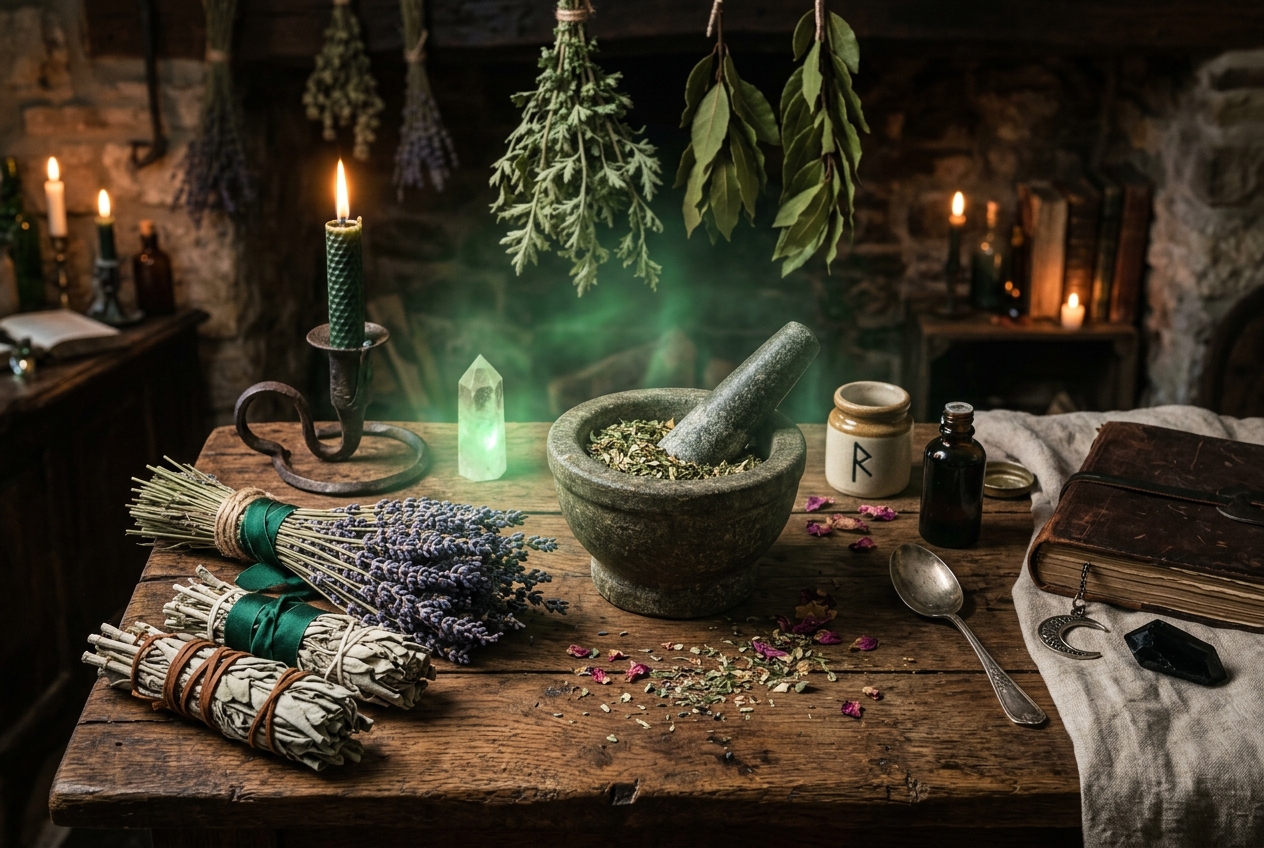
Which Herbs to Collect in Autumn? A Guide to Autumn Herbs
Why is it Worth Collecting Herbs in Autumn?
Autumn is a time of heightened flavors, when plants reach their aromatic peak. During this season, herbs are richest in essential oils, offering unmatched taste and fragrance. By collecting them now, you can fully experience their potential in both the kitchen and in home remedies.
In addition to culinary uses, herbs have numerous medicinal properties. Among them, you'll find plants that aid digestion, bolster the immune system, and promote relaxation. This autumn, it’s beneficial to embrace natural remedies that effectively support the body in battling seasonal challenges.
The Most Popular Herbs to Collect in Autumn
One of the most popular herbs to collect in autumn is rosemary. Its intense aroma pairs beautifully with meats and breads. No cold dish is as delightful as one enhanced with fresh rosemary. Remember that rosemary contains valuable nutrients that strengthen our immune system.
Another herb to consider for your autumn collection is thyme. Its distinct flavor makes it perfect for stews. Thyme not only enriches the taste of dishes but also has warming properties, making it an excellent addition to meals enjoyed on brisk autumn days. By gathering these herbs, you’ll enhance your kitchen while nurturing your health.
How to Collect Herbs?
When collecting herbs, the most important factor is selecting the right location. Ensure that the plants grow away from pollution, such as busy roads or industrial areas. An ideal spot is an ecological area where no pesticides are used. The healthier the environment, the more valuable the herbs you will be using in your kitchen or for home treatments.
Once you’ve chosen a location, pay attention to the timing of your collection. The best time to gather herbs is on dry days, preferably in the early morning when the dew has not yet evaporated. Herbs collected at this time are full of moisture and aroma, resulting in a more intense flavor. Remember to strictly follow the harvesting guidelines and to gather them alone—improper collection can cause environmental harm.
FAQ
Which Herbs are the Healthiest in Autumn?
This autumn, consider reaching for herbs like rosemary, thyme, mint, and sage. Each supports the body in different ways, and their variety makes them suitable for a range of dishes.
Where Can You Find Herbs to Collect?
You can find them in gardens, meadows, and also in forests. However, be sure to collect them from clean areas, away from polluted locations such as parking lots or roadways.
Storing Herbs
Properly storing herbs is crucial for maintaining their durability and quality. After collecting herbs, thoroughly sift through them and discard any damaged ones. Then, drying them in a well-ventilated area, away from direct sunlight, will create the right conditions for preserving their aroma and nutritional values. Keep in mind that moisture is their enemy.
Once dried, herbs are best stored in airtight containers that shield them from dust and moisture. Glass jars or airtight containers are excellent options. This way, you can enjoy their taste and aroma for an extended period, and during the heating season, it’s great to reach for your favorite herbs.
Using Autumn Herbs in the Kitchen
Autumn herbs work wonders in the kitchen, where they can enhance many traditional dishes. Creating aromatic meals, such as stews or soups, using fresh herbs adds a unique flavor. These herbs not only boost taste but also the nutritional content of your dishes.
In addition to main courses, autumn is a fantastic time to prepare warming herbal teas. Herbs like thyme or ginger are perfect for infusions that will warm you on cool evenings. Beyond their delightful flavors, herbal teas can also support the body during cold seasons, and their preparation is quite simple.
Herbs in Natural Medicine
Herbs have so many applications in natural medicine, and autumn is an excellent time to take advantage of their benefits. As immunity may wane during this season, herbs like echinacea or garlic can be beneficial in strengthening the body. Regular use helps support natural defense mechanisms.
Additionally, herbs play an important role in aromatherapy. Using essential oils derived from herbs such as lavender or mint can help reduce stress and improve overall well-being. Short aromatherapy sessions are a wonderful way to unwind after a long, chilly day.
FAQ - Frequently Asked Questions
Which Herbs Can Be Toxic?
Some herbs, such as deadly nightshade or lily of the valley, can be toxic. Therefore, before deciding to collect or use unfamiliar herbs, it’s wise to educate yourself about their properties. If you need more information, check our knowledge section.
When is the Best Time to Collect Herbs?
The best time to gather herbs is early in the morning when the dew has not yet fallen. At this time, their aroma and nutritional values are maximized. It’s also important to consider the season; herbs should be collected during their peak growth, typically from May to September.
Which Herbs Can Be Grown at Home?
Many herbs can be easily cultivated in a backyard garden or on a balcony. Popular herbs for growing include basil, mint, rosemary, and thyme. These herbs not only enhance your dishes but also add beauty to your space. We encourage you to visit our cards section for more inspiration on home herbs.