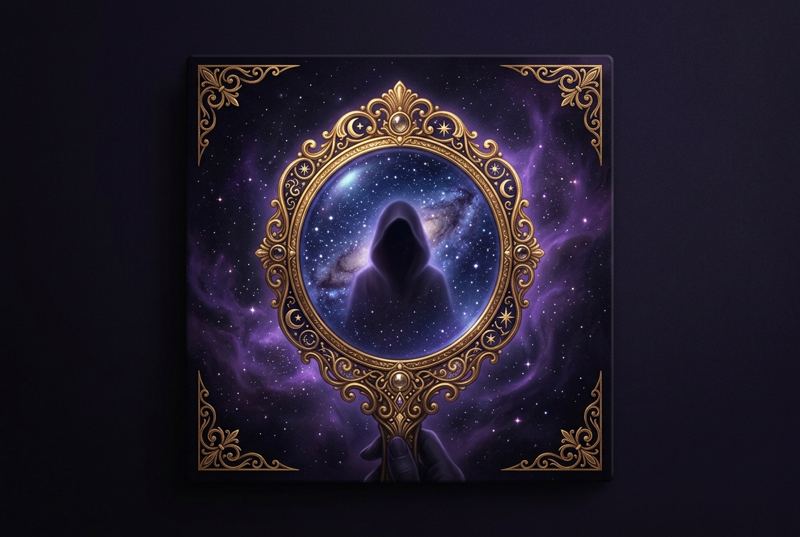
Discover how the online dream interpreter can assist you in understanding your dreams. Learn about the most common symbols and how you can grasp their meanings.
Online Dream Interpretation: How to Interpret Dreams and What the Symbols Mean
What is an online dream interpreter?
An online dream interpreter is a useful tool for initial interpretations of dream symbols. Instead of relying solely on memory to transfer everything into clichés, you can quickly look up a keyword for a specific image, such as water, house, flight, teeth, child, or escape. Such a directory does not provide a definitive answer but organizes clues and helps you identify what was most significant in the dream. In practice, what matters is not only the symbol but also the emotion associated with it and the context in which you currently find yourself.
It is advisable to view the online dream interpreter as a support for your intuition rather than a final diagnosis of the dream. The same motif can mean something different if it appears after a difficult conversation, during a job transition, following a breakup, or simply after a demanding day. Therefore, it's better to read the interpretations calmly, without desperately searching for a single true meaning. A helpful question is: What feelings does this image evoke in me upon waking, and what do I associate it with? This approach aligns more with a mindful engagement with the dream rather than a mechanical analysis.
Technology offers a simple advantage here: quick access, the ability to compare different terms, and the convenience of returning to your notes. If you wish to take a more comprehensive look at emotions and symbolism, you can also combine the dream with other reflection tools, such as Tarot. However, the most important thing remains the same: to read the dream in the context of your own life, your daily rhythm, and what currently demands your attention, rather than turning it into a rigid code.
Common symbols in dreams
Some of the most common symbols include water, fire, house, stairs, animals, road, flight, teeth, and clothing. Water is often associated with emotions, fire with energy and transformation, and the house with a sense of safety or inner state. Stairs may indicate development or challenges, while animals can represent instincts, relationships, or hidden traits. Each symbol should be interpreted alongside the entire scene of the dream, as a single image rarely tells the whole story.
The meaning of symbols in dreams also depends on the details. Clean, calm water can be associated with harmony, while a turbulent sea may be linked to tension. Flight is often perceived as freedom, sometimes also as a desire to escape the daily grind. Teeth can relate to self-confidence, communication, or fear of change. Therefore, it’s important not to limit yourself to a single keyword from the dream interpreter, but to examine what emotions were tied to the dream and what is currently happening in your life.
Different cultures interpret the same symbols in various ways. In one tradition, water may signify purification, while in another it represents contact with the unconscious or change. A house may be read as family, but also as an image of the soul. This shows that dreams are not a universal language in the literal sense, but a personal and culturally nuanced one. The online dream interpreter can help you find a starting point, but the best interpretation arises when you connect general meanings with your own experiences and memories of the dream.
How to use an online dream interpreter?
You should consider the online dream interpreter as a first step rather than a definitive answer. It is especially helpful to quickly jot down the dream right after waking, before the details fade. It’s important to note not just the symbol itself but also the setting, people, colors, movements, atmosphere, and the emotion that was most prominent. A simple outline works well: what happened, what was most striking, and what feeling remained after opening your eyes. This recording later facilitates looking up meanings without guesswork.
When interpreting, do not limit yourself to a single keyword. For example, if you dreamt about a train, examine the context: track, delay, crowd, luggage, conversations, or the feeling of relief. A single symbol rarely explains the entire dream, as important are the relationships between the elements. It is also helpful to compare the dream with real life. You will interpret the motif of the road differently if you are facing a job change than if you simply need calm and order in your plans.
In practice, it can be helpful to keep a brief dream journal. It’s enough to note the date, a sentence on the content, the main symbol, and the emotion. After several days or weeks, you may notice patterns, such as recurring dreams of running under pressure, dreams of closed doors while feeling blocked, or dreams of water when tension rises. The online dream interpreter can help you identify the motif, and your own notes will reveal how this motif connects with your daily life. For a more in-depth reflection, you can also refer to Tarot when you want to view emotions and decisions from a different perspective.
The psychology of dreams
The psychology of dreams shows that nighttime images often organize what we experience during the day. Dreams can connect emotions, memories, and subtle bodily signals into a narrative that is chaotic but not random. Sometimes it features people we haven’t spoken to in a long time, as the mind returns to important relationships, tensions, or unresolved issues. In this sense, the dream is a mirror of our experiences.
The subconscious occupies an important place; it doesn't speak directly but communicates through symbols, associations, and atmospheres. Thus, the same motif can have many facets. Water may be associated with emotions, a house with a sense of security, and a road with a stage of change. However, it's not about rigid rules but rather about how a particular image resonates with you. Dreams often reveal what we haven't yet articulated in our waking lives, even though we may already feel it.
When interpreting dreams, it's essential to take a broader view rather than focusing solely on a single image. The life context, current stress levels, sleep patterns, and recent experiences are crucial. If a person is overwhelmed, dreams can become more intense and emotional; when a decision is needed, symbols of movement, choice, or feeling lost may appear more frequently. The psychology of dreams doesn't take away their mystery but helps us understand how closely they are connected to our everyday lives and inner world.
Dreams and their connections to daily life
Dreams often reflect what is happening while we are awake, even if we don't notice it immediately. They can manifest after a conversation that has left us feeling tense, after a day filled with obligations, or during times when something important is developing in the background. For instance, a dream about being late can relate to pressure and the sensation of having too much to handle at once. A dream about a lost phone might indicate a fear of losing contact, while a dream about tidying up often arises when we need clarity in our minds or in our surroundings.
Such images don't need to predict the future to be beneficial. A dream of a journey can signify readiness for change but may also reflect uncertainty about a new phase. A dream about a house often touches on feelings of safety, boundaries, or relationships with loved ones. A dream about water can relate to emotions pushed aside during the day. If an intense dream helps you articulate your mood, recognize exhaustion, or realize that a decision still needs time, then the dream is closely aligned with your daily life.
It's worthwhile to translate such insights into practical actions. If you dream of being chased through the city, check if you are truly overloading yourself with tasks. If the motif of closed doors recurs, consider whether you are postponing a conversation, request, or decision in real life. A dream of a family kitchen can evoke a need for closeness, a dream of an empty room can signal a need for peace, and a dream of lost luggage might indicate that you are carrying too much emotional baggage. The less exaggeration, the more benefit you can derive from this interpretation.
Frequently Asked Questions about Dream Interpreters
Do dreams have a concrete meaning? They can, but they don't always lend themselves to a simple interpretation. Sometimes a dream mirrors the emotions of the day, sometimes it organizes memories, and other times it connects scattered threads from throughout the day. Therefore, it’s best to view the dream interpreter as a tool for organizing symbols rather than a list of rigid definitions. The most accurate interpretation usually takes into account the image itself, the emotion, and the life situation of the dreamer.
Why do different people understand the same dream differently? Because each person has their own experiences, associations, and sensitivities. For one person, a dog might symbolize loyalty and warmth, for another, it might evoke memories of tension, and for yet another, it could simply represent a familiar presence. Similarly, water may signify calm for one person while representing overwhelm for another. For this reason, interpretation should not disregard personal history and current circumstances.
Is it worthwhile to use dream interpreters? Yes, but this should be done thoughtfully and with moderation. A good online dream interpreter can help identify motifs, discover recurring patterns, and ask meaningful questions. A dream journal is also beneficial, as it allows one to recognize links between dreams and daily stress, relaxation, relationships, or important decisions over time. A dream interpreter should open up the interpretation rather than close it down, turning it into practical assistance rather than a collection of arbitrary terms.
Summary
Understanding your own dreams can be an essential part of getting to know yourself better. Dreams touch on emotions, remind us of things that need our attention, and reveal inner tensions in symbolic form. You don't have to immediately seek grand prophecies. Often it’s enough to notice which feelings the dream has evoked, what recurs within it, and how it relates to your daily experiences. Just that alone can offer valuable perspectives.
The online dream interpreter is a great resource if you want to quickly check the meaning of a symbol and compare it with your own feelings. It works best when used consciously: jot down the dream, analyze your emotions, and compare several possible meanings instead of searching for a single answer. This approach helps maintain a balance between intuition and intellect, allowing you to use interpretations practically and calmly.
If you want to understand the nocturnal images better, regularly return to your dreams and observe their connections to daily life. Over time, you will notice your own symbols, recurring motifs, and the personal language of your subconscious. This is often the most important aspect. The dream interpreter can organize these, but your experience gives it true meaning and allows for real insights to be drawn.