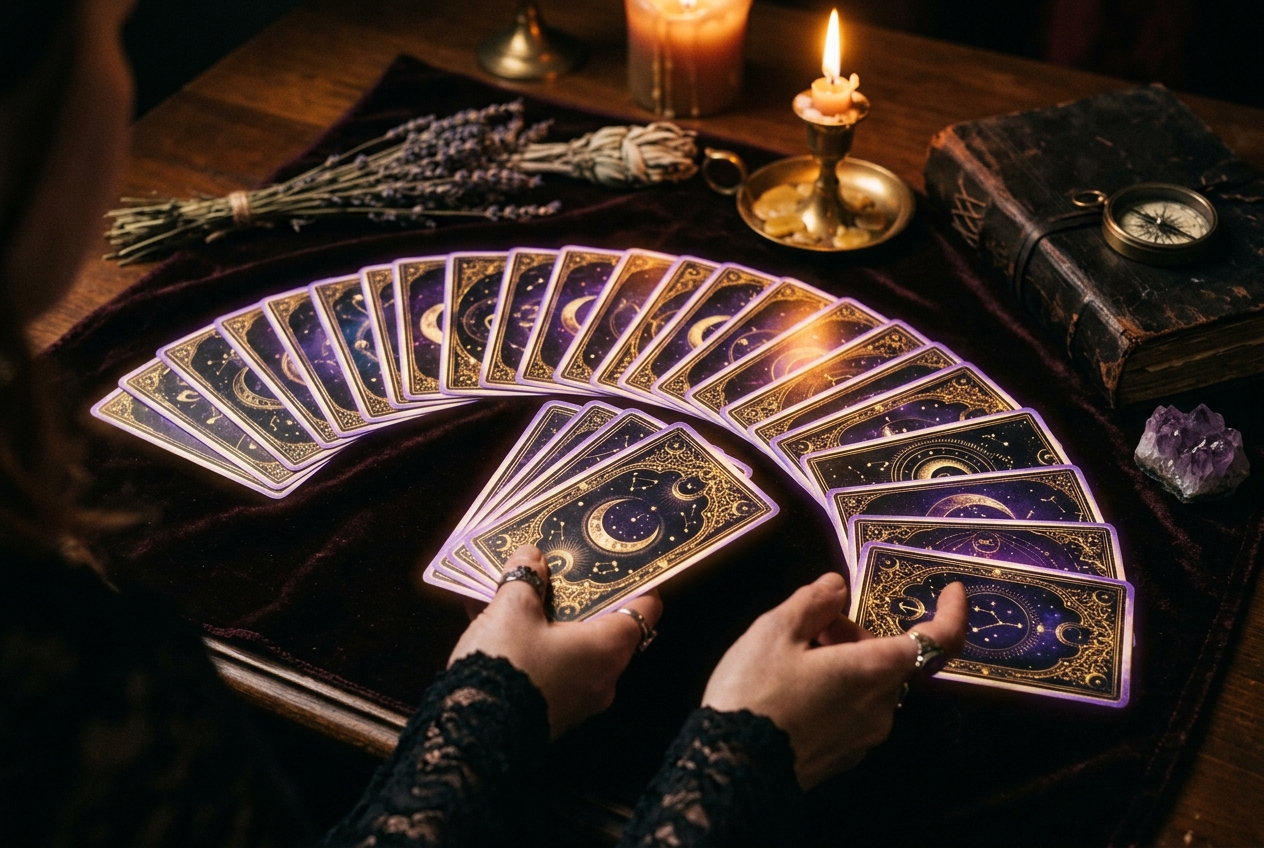
Discover how to interpret the card of the day in Tarot and what it genuinely signifies. Learn to harness the messages each card provides for your current circumstances.
Tarot for Today — How to Interpret the Card of the Day and Its Meaning
Introduction to Tarot and the Card of the Day
The card of the day in Tarot offers a straightforward, daily way to engage with the deck, allowing you to tune into the rhythm of your day and recognize its primary energy. It's not about grand predictions but rather a mindful consideration of what may be significant today: emotions, relationships, decisions, or a lesson to embrace with tranquility. In practice, the card of the day serves as a mirror, reflecting our inner mood and focus. For one person, it might advise against starting the morning in a rush; for another, it could prompt a call to a loved one; and for yet another, it provides encouragement to resolve lingering matters that have awaited a decision.
In your daily practice, the card of the day facilitates a connection with your intuition without pressure and overanalysis. All you need is one card, a moment of silence, and a simple question: what is important for me today? This approach transforms Tarot into a tool for self-reflection, rather than chaotic guessing. It also cultivates your personal relationship with the deck, enabling you to gradually understand its symbolism, rhythm, and recurring themes more deeply. If a card suggesting calmness appears in the morning, you might consciously plan for a gentler pace throughout the day. If it indicates movement, it's a sign to expedite unresolved matters, send that message, or take the first step on an important issue.
If you wish to deepen this practice, keeping notes can be beneficial to observe how the card of the day manifests in real-life events. Over time, you'll discover that your interpretations become more personal and precise as you start recognizing your patterns. It may also be useful to consider the broader context, for instance, through my map, when you're engaging with your own symbolism, intention, or the day's atmosphere. This reinforces consistency and mindfulness. A good habit is to write a single sentence in the afternoon that captures what the card revealed in practice. Such a simple journal can help you see how the card of the day may relate to a conversation with a boss, a decision about taking a break, going out without your phone, or choosing not to get involved in someone else's conflict.
How to Properly Read the Card of the Day?
First, take a moment to pause and clarify your intention: what do you wish to learn today, or what should you focus on more mindfully? Then draw one card and examine it at a leisurely pace. Pay attention to the figure, colors, symbols, direction of movement, and the mood conveyed by the image. Only then should you interpret its meaning in the context of the day, rather than isolating it from the situation. The card of the day is intended to support observation, so it’s essential to connect the symbol with your real experiences.
An effective interpretation method involves combining three layers: literal, emotional, and practical. Literally, consider what the card depicts. Emotionally, reflect on the state that may accompany you today. Practically, look for insights on how to act, what to avoid, or where it may be prudent to be more composed. This approach helps prevent overly rigid interpretations of the cards and allows you to maintain a sense of naturalness. Hence, the card of the day also serves well for those who are just beginning their Tarot journey.
An example of application is quite straightforward. If you draw a card suggesting a pause, it doesn't necessarily indicate a problem; rather, it encourages patience and mindfulness. If the card embodies action, view it as a signal that the day is conducive to taking initiative. It's vital not to seek one fixed answer but to explore how the symbol interacts with your day's plans, emotions, and relationships. This way, Tarot for today — how to interpret the card of the day and its meaning becomes a simple and enriching practice.
Meanings of Different Tarot Cards
When exploring Tarot for today — how to interpret the card of the day and what it signifies, it’s useful to start with a fundamental premise: each card carries a distinct energy, but it does not function independently from your day. The Major Arcana cards often highlight a more significant theme, stage, or lesson deserving of attention. The Fool may signify a new beginning, The High Priestess an appeal to intuition, and The Tower a sudden revelation. In the Minor Arcana, everyday matters, the rhythm of decisions, and emotions are more frequently addressed. If a card indicating the conclusion of a chapter appears in the morning, you might perceive it as a prompt to finalize a pending conversation, tidy your workspace, or stop delaying one specific issue.
If the card of the day reveals Cups, it’s worth contemplating relationships, your mood, and what stirs your heart. Swords often direct your focus toward thoughts, conversations, and clarity in decisions. Wands bring an impetus for action, motivation, and courage, while Pentacles remind you of practical matters, work, and stability. These are not strict rulings but indicators that assist in interpreting the day and your responses to events more effectively. For example, Cups may suggest responding to a loved one calmly instead of reacting impulsively, Swords may encourage a straightforward email or resolving misunderstandings, Wands support initiating a project, and Pentacles might remind you of bills, a shopping list, or time management.
In practice, the meaning of a card is best understood in the context of your question and current situation. The same card could convey something entirely different to someone facing a career choice compared to someone who is seeking rest. Therefore, it’s not about mechanically memorizing phrases, but rather about noticing the prevailing energy of the day. Over time, you'll find it easier to recognize whether a card invites movement, patience, conversation, or introspection. If a card embodying action appears, you can harness that energy to make a difficult phone call, send out a CV, or begin a workout. Conversely, if it suggests slowing down, it’s often a good moment to organize, plan, and gently wrap up matters without adding pressure on yourself.
Tips for Working with the Energy of the Card
The best way to engage with the card of the day is not just to read its meaning but to take a moment to see how that energy resonates with your rhythm. After drawing a card, ask yourself one specific question: what does this card wish to teach me today? This approach transforms the message into something useful rather than merely descriptive. It’s also beneficial to note your first thought, as it often reflects your most accurate and personal insight.
A brief meditation with the card can also be beneficial. Just sit quietly, gaze at the image, take a few deep breaths, and notice the emotions or associations that arise spontaneously. If the card signifies movement, envision how that energy flows throughout your day. If it embodies calmness, allow yourself a few moments free from distractions. Such a practice strengthens your connection to intuition and fosters a more conscious reception of signs.
Creating your own symbol map can also serve as a helpful support, meaning taking notes on how specific cards show up in your life. You can record the circumstances in which a particular card frequently appears and the events that accompany it. This process develops a personal Tarot language and enhances your trust in your readings. If you’d like to organize this process, you can base it on your map for working with cards, which is a straightforward system of observation and reflection.
Examples of Cards of the Day and Their Interpretation
Some cards instantly reveal the direction of the day. The Sun generally brings clarity, lightness, and heightened confidence, thereby encouraging conversations, actions, and openness. The Hanged Man may suggest a pause, a change of perspective, or the need for patience. The Empress serves as a reminder of care, creativity, and gentle growth. Each of these cards influences daily life in unique ways, but none take away your freedom of choice. Instead, they illuminate the atmosphere that makes it easier or more challenging to take action.
When you draw a more challenging card, don’t view it as a harbinger of disaster. The Tower may signal a sudden change in plans, but it can also represent an opportunity to liberate yourself from what no longer serves you. The Nine of Swords could indicate mental overload, suggesting that a wise step would be to slow down and return to the facts. Tarot helps you navigate challenges by revealing where it's beneficial to conserve energy and where to establish boundaries.
In everyday life, the card of the day shines brightest when you connect it with a simple, specific action. If the card emphasizes communication, ensure your words are clear. If it highlights stability, tidy up one area at home or work. If it calls for intuition, grant yourself a moment of silence before making a significant decision. These simple actions turn Tarot from an abstract concept into a practical tool for mindfulness and a wiser approach to daily matters.
Inspirations from Tarot for Daily Life
Tarot can inspire not only reflections on the future but also more mindful choices in small steps throughout the day. When a card signals calmness, consider reducing unnecessary haste. When the energy of action arises, it's wise to take the first step instead of postponing everything. The messages of the cards are most effective when they translate into a straightforward decision rather than remaining just a lovely remark for the morning. If the card of the day indicates the need for quiet, you might plan a more tranquil commute, a break free from technology, or a brief meditation. When it signals movement, a wise choice could be to swiftly organize your documents, reach out to someone important, or complete a task that requires courage.
Many individuals treat Tarot as a gentle mirror. The card of the day does not dictate what you must do without exception, but rather suggests where to focus your attention to avoid chaos or better seize a favorable moment. This makes it easier to become aware of your habits, emotions, and automatic responses. This is especially valuable on hectic days when everything feels fast-paced, and your mind craves a simple point of reference. For example, a card related to communication might remind you to ask questions rather than assume the intentions of others. A card embodying stabilization energy could inspire you to create a budget, plan meals, or set boundaries in your calendar.
The greatest value of working with the card lies in consistency. One symbolic lesson each day fosters mindfulness and helps you make decisions in alignment with your true self. Over time, you may notice that Tarot supports not only your understanding of events but also how you respond to others, obligations, and change. That’s when the messages from the cards become integrated into your daily practice, rather than just a fleeting curiosity. In practical terms, this might manifest as choosing a gentler day plan when the card suggests overwhelm, or consciously accelerating when you feel the energy of a new beginning. Such small decisions allow the card of the day to truly resonate with the rhythm of your daily life.
FAQ — Frequently Asked Questions
What is the card of the day?
The card of the day represents one drawn Tarot card that conveys the primary energy, theme, or guidance for the day. It is not a rigid judgment or forecast, but rather a symbolic point of reference. It helps you notice what might be significant today, what to be mindful of, and where to direct your attention. In practice, it's a simple way to maintain daily contact with Tarot and your intuition.
How often should I draw a card for the day?
Most often, drawing one card daily is sufficient, preferably at a consistent time, such as in the morning. This makes it easier to notice recurring patterns and compare them with the day's events. If you feel inclined, you can revisit it in the evening and see how the card's energy manifested in practice. Consistency matters more than the number of draws.
Does the card of the day influence the future?
The card of the day doesn't change the future on its own, but it can influence your decisions, focus, and behavior. These elements often shape what happens next. Tarot reveals potential and direction, but allows room for choice. Therefore, the card of the day functions best as a tool for reflection, rather than a definitive answer to everything.