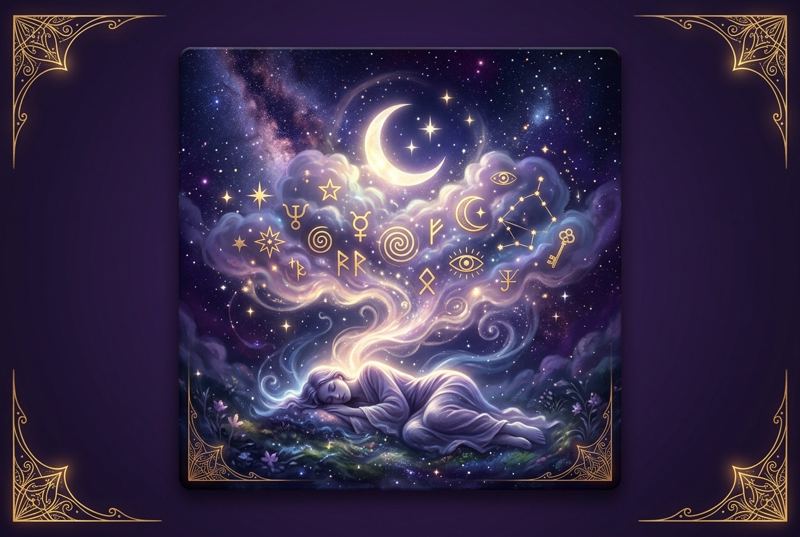
The Slavic Dream Dictionary is an intriguing compilation of dream interpretations that reveals the depth of Slavic culture. Discover what your dreams express and the messages they hold.
Slavic Dream Dictionary – Uncover the Secrets of Your Dreams and Their Meanings
What is the Slavic Dream Dictionary?
The Slavic dream dictionary is a method of interpreting dreams rooted in native traditions, folk imaginations, and the observation of symbols found in the daily life of ancient Slavs. It is not a rigid system from a single school, but rather a compilation of meanings that have developed from the relationship between humans and nature, home, family, and the changing seasons. From this perspective, a dream is not a random image; it is a message worth observing calmly and relating to one’s personal situation.
In the Slavic dream dictionary, motifs associated with forests, water, animals, fire, the thresholds of the home, or beloved figures and ancestors carry significant weight. Unlike many contemporary dream dictionaries that focus mainly on universal phrases, here, the cultural and emotional context is essential. The same dream may have different meanings for someone who lives closely connected to nature compared to someone who views it through the lens of urban life and modern experiences.
The similarity to other dream dictionaries lies in the quest for hidden meanings and the connections between dreams and waking life. The distinction is found in the symbolism and the tone of interpretation. The Slavic dream dictionary often emphasizes balance, cyclicality, and one’s relationship with the environment rather than offering a one-time prophecy. If you desire to delve deeper into dream interpretation, it’s helpful to view it as a map of meanings rather than a straightforward answer. It serves as a tool for calm reflection, organizing associations, and understanding what recurs most frequently in dreams. You can find more inspiration on our blog.
How to Use the Slavic Dream Dictionary?
It’s best to begin by recording your dream immediately upon waking, before the details slip away. Write down the images, emotions, colors, people, and setting, as these elements create the full meaning of the message. In the Slavic dream dictionary, it’s not simply about matching one term to one meaning. The whole picture is important: Was the dream calm, warning, chaotic, or did it perhaps contain feelings of closeness, fear, or relief? Such a record aids in identifying patterns that recur across different nights.
The second step is to interpret the symbols in the context of your own life. A forest may symbolize loss but can also represent a connection to intuition and the strength of nature. Water may evoke emotions, purification, or change, while a house relates to safety, boundaries, and family. Instead of merely questioning what a specific symbol 'means,' it’s beneficial to consider what it connects with in your daily life. A dream often highlights tensions that already exist but have yet to be voiced.
The third element involves patience and comparing dreams with your own experiences. A single symbol may appear at different points in life, each time conveying slightly different connotations. Thus, the Slavic dream dictionary functions best as a tool for reflection, not as a quick solution to everything. When you observe recurring motifs, it becomes easier to see where you need rest, decisions, or greater awareness. This is how dreams become practical support in daily living.
Most Common Symbols in the Slavic Dream Dictionary
Common images in the Slavic dream dictionary are frequently connected to nature, home, and daily life, as people have long sought guidance from these motifs. A forest may signify entering the unknown, while also facilitating a connection with one’s own intuition. Water, particularly when clear and calm, is associated with the flow of emotions, whereas murky water may signify inner turmoil. Fire can symbolize power, transformation, and purification, although its meaning can depend on whether it evokes warmth in the dream or stirs feelings of anxiety.
A house embodies many meanings; in Slavic tradition, it represents safety, ancestral memory, and inner harmony. Dreaming of a familiar and well-kept house might signify stability, while an abandoned or crumbling house often draws attention to an area of life that needs care. Likewise, animals convey their own messages: a wolf may symbolize instinct and vigilance, a bird may represent freedom, and a horse may embody strength and forward momentum. Each motif is worth interpreting in the context of the whole dream.
In practice, the Slavic dream dictionary does not function as a rigid lexicon but as a map of associations rooted in culture and experience. Therefore, the meaning of a symbol is influenced by emotions, location, and circumstances of the dreamer. The same moon may signify calm, mystery, or the need for silence. The same bridge may suggest a transition to a new phase. The most insightful interpretations arise when a symbol resonates with personal experiences rather than merely adhering to a fixed term. This approach to dream interpretation allows us to notice details that may seem ordinary at first glance but appear again during significant moments in life.
Dreams as a Tool for Self-Discovery
Dreams can reveal what lies beneath the surface during waking hours. This is why the Slavic dream dictionary is often regarded not only as a collection of meanings but also as a tool for mindfulness. A recurring image may signal a need to pause and examine your emotions. Sometimes, a dream does not provide a clear answer but suggests a direction worth exploring. Thus, it becomes a gentle nudge from the subconscious rather than just a random story devoid of meaning.
In the journey of personal development, dreams help us to recognize tensions, desires, and fears that we may not always acknowledge during waking life. For instance, if someone dreams of being lost, it may reflect feelings of overwhelm or a lack of clarity. If a motif of conversation with a loved one arises, the dream can invite deeper understanding of that relationship. Such interpretations do not have to be dramatic; they focus on calmly recognizing what within us calls for attention, rest, or change.
Working with dreams can become a simple, everyday ritual. All it takes is to jot them down right after waking, noting the emotions and the most significant symbols, and then observe the recurring motifs. Over time, it becomes easier to recognize your own patterns and hidden needs. Such records also help differentiate random dreams from meaningful ones. This way, the Slavic dream dictionary evolves from mere terminology into a personal language for conversing with oneself.
Contemporary Use of the Slavic Dream Dictionary
Today, the Slavic dream dictionary resurfaces in a more conscious form, often as part of an interest in culture, symbolism, and spirituality. From an anthropological viewpoint, this is significant because it shows that people continue to seek meaning in dreams, even as they navigate realities vastly different from the past. Contemporary interpretations of dreams need not replicate the literalness of ancient times. They can draw inspiration from tradition while also weaving in modern experiences, relationships, and the pace of life.
In esotericism, dreams are increasingly valued as a medium for connecting with intuition, emotional memory, and symbols rooted in our collective imagination. This transforms the dream dictionary from a static museum exhibit into a dynamic tool for interpretation. Practically, it aids in noticing which images recur during times of change, tension, or significant decisions. Consequently, many individuals maintain their own dream journals, documenting recurring motifs and relating them to their waking life experiences. This method makes it simpler to identify repeating symbols and discern when a dream expresses emotions that have yet to be articulated in waking life.
The contemporary application of the Slavic dream dictionary also involves linking tradition with daily reflection. Instead of merely asking, 'What does it mean?', it's valuable to inquire, 'What does this dream reveal about me in this moment?'. This approach resonates more with human experience, as it doesn't restrict meanings to a single interpretation. The dream dictionary then transforms into a practice of self-discovery, a form of spiritual hygiene, and a pathway to a deeper understanding of one’s reactions. It can be utilized during morning dream journaling, a brief meditation on a symbol, or a dialogue with oneself regarding what has been craving attention recently. This is how tradition remains relevant.
Personal Experiences with Dream Dictionaries
The most profound insights come from personal observation, as dreams are best comprehended through regular recording and comparison. It's essential to note not only symbols but also emotions, colors, people, and the overall ambiance of the dream. Sometimes, a seemingly mundane detail reveals itself as the key to interpretation. Personal experiences indicate that the Slavic dream dictionary is most effective when it fuses traditional meanings with the individual's life experiences. What signifies calm for one person may signal change for another.
Many people uncover the power of working with dreams only after recognizing the recurrence of specific motifs. One might dream of a river consistently during pivotal life decisions, while another may envision their childhood home when yearning for safety. Such examples illustrate how dreams develop their own rhythm and often respond to internal needs more swiftly than we do consciously. It's not about literally forecasting the future but about mindfully understanding oneself.
A beneficial practice is to revisit past records after several weeks or months. This reveals how some dreams only acquire significance over time. Personal experience teaches patience and guards against hasty conclusions. Consequently, the Slavic dream dictionary serves as a practical guide through one's inner world. The more personal observations you gather, the more precise and vivid the interpretations become, as they arise from real life rather than mere theory.
FAQ
What is the Slavic Dream Dictionary?
The Slavic dream dictionary is a compilation of meanings associated with symbols appearing in dreams, grounded in tradition and imagination linked to Slavic heritage. It is not a rigid system but rather a cultural map of associations that aids in interpreting dream imagery within the context of emotions, relationships, and life transitions. Its strength lies in its simplicity and its closeness to everyday experience.
What symbols are the most popular in this dream dictionary?
Among the most common symbols are home, forest, water, fire, birds, wolves, roads, bridges, and the moon. Each of these can hold various meanings depending on the context of the dream and the emotions of the dreamer. For instance, a house often symbolizes safety, while water pertains to emotions and change. The key aspect is to interpret the symbols within the broader context of the entire dream.
What benefits does interpreting dreams according to the Slavic Dream Dictionary bring?
Interpreting dreams can enhance your understanding of your emotions, help unveil hidden needs, and illuminate recurring behavioral patterns. This shifts dreams into tools for self-exploration rather than mere curiosities. The Slavic dream dictionary also fosters a connection to tradition and symbolism, providing many individuals with a profound sense of immersion in both culture and themselves.