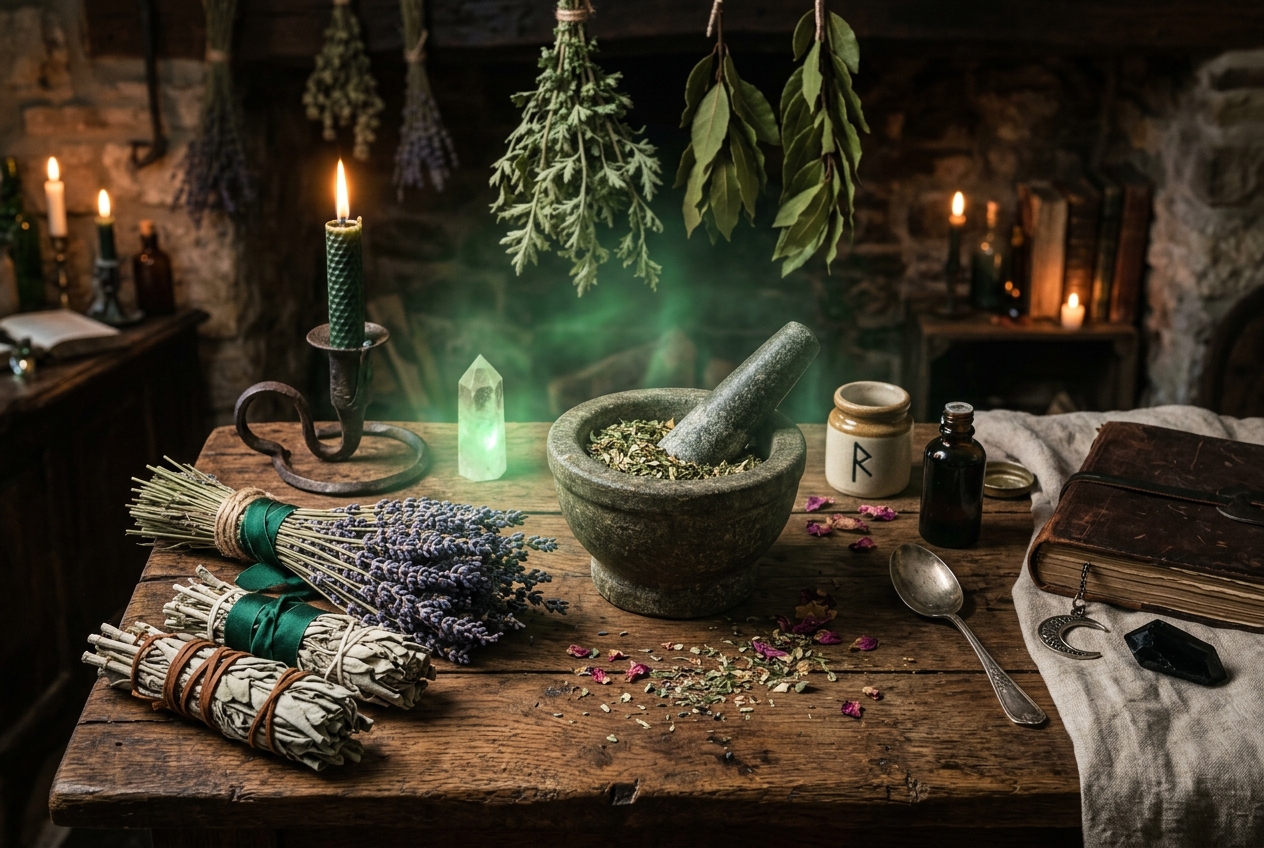
Quote of the Day — Old English Herbals: The Magic and Medicine of Plants
Introduction to Herbals
Herbals have held a pivotal place in Old English culture for centuries. They were more than mere botanical manuals; they were vessels of wisdom about the properties of plants. At a time when medicine was still in its infancy, herbals acted as a primary source of information about herbal therapies. Their presence in households was invaluable for those seeking natural healing.
Yet, the roles of herbals extend far beyond medicine. Beyond their healing properties, they were believed to possess magical abilities. Plants were utilized in rituals and ceremonies, bestowing them with a special significance in a spiritual context. Thus, herbals became a symbol of the connection between nature and magic, a bond that continues to captivate us today.
History of the “British Herbarium”
The “British Herbarium” is a work that was created in 1769. It emerged not only from a passion for science but also from the desire to organize botanical knowledge, which was rather chaotic at that time. Thanks to a new floristic methodology, a system was developed that greatly facilitated the identification of plants and their applications in medicine.
The importance of the “British Herbarium” for botany is immeasurable. This work laid the groundwork for many subsequent studies and research on plants and significantly influenced the popularity of herbals in later periods. Understanding the history of this work allows us to see how our knowledge of plants and their properties has evolved.
Herbs and Their Magical Properties
In Old English herbals, we can discover numerous plants still utilized in various rituals today. Herbs like sage, lavender, or chamomile not only have culinary uses but also play a significant role in magic. They were believed to attract positive energies and dispel negativity.
Herbals also convey folk knowledge about plants and their applications. Rituals associated with harvest, fertility, or love often included specific herbs thought to support particular intentions. Embracing these traditions can enrich our spirituality and help us find harmony with nature.
FAQ
What plants are most commonly described in Old English herbals?
In Old English herbals, you will frequently encounter plants such as sage, lavender, or chamomile, which possess both medicinal and magical properties.
What were the main functions of herbals in Old English culture?
Herbals served as guides for natural medicine and were integral to rituals and ceremonies connected to magic.
Where can I find more information about herbals and their properties?
Additional information on this subject can be found in various resources, including the Forbidden Knowledge Library, where you will uncover the secrets of plant magic and medicine. Visit the Forbidden Knowledge Library.
Herbs in Medicine
For centuries, herbals have been an invaluable wellspring of knowledge about herbs used in natural medicine. Many plants, including mint, sage, and chamomile, have earned their place in home medicine cabinets. Their health benefits include pain relief, digestive support, and calming effects. Exploring their usage within the context of Old English herbals unveils new insights into ancient medicinal practices.
Herbals describe not only the plants but also recipes for creating infusions or ointments. Familiarity with these traditions can open the door to trust in natural healing methods. Contemporary research confirms that many of these herbs indeed have well-documented therapeutic effects, bridging the gap between tradition and modern medicine.
Spirituality in the Context of Plants
Herbs are deeply rooted in spirituality and esoteric practices. Many cultures placed significant emphasis on plants, viewing them as carriers of energy in rituals and ceremonies. By aligning herbs with intentions, we can enhance our meditative practices. Within Old English herbals, we find descriptions of their properties and how they can be applied spiritually, from protection to attracting positive energies.
The presence of plants in magical practices aimed not only to influence the physical realm but also the spiritual one. Utilizing herbs for space cleansing or enhancing meditation can create a deeper connection with both nature and oneself. Their power can aid in achieving inner peace and greater harmony.
Quotes and Their Significance
The quotes found within “Old English Herbals” offer profound reflections on the role of nature in human life. These words can inspire us to appreciate the value of herbs, not only for their health benefits but also as vital components of our ecological identity. Eugeniusz Szałwiński, the author of many works on herbs, emphasizes the importance of recognizing the connection between nature and our everyday lives.
In today’s world, as ecological perspectives gain relevance, these quotes serve as a catalyst for protecting and cherishing the wealth of plants and their impact on our planet. A deeper understanding of their significance can guide us on a journey toward greater harmony with our environment.
FAQ
What herbs are recommended in magic?
In magical practices, herbs such as rosemary, lavender, or thyme are often utilized for their cleansing and protective properties. Each carries unique energetic qualities.
What is an herbal and how does it differ from a herbarium?
An herbal is a collection of knowledge about plants, their medicinal uses, and spiritual significance. Conversely, a herbarium is a collection of dried plant specimens for botanical research.
How can I use herbals in my daily life?
Herbals can be employed to create natural cosmetics, herbal infusions, or culinary spices. They can also provide inspiration for spiritual practices.