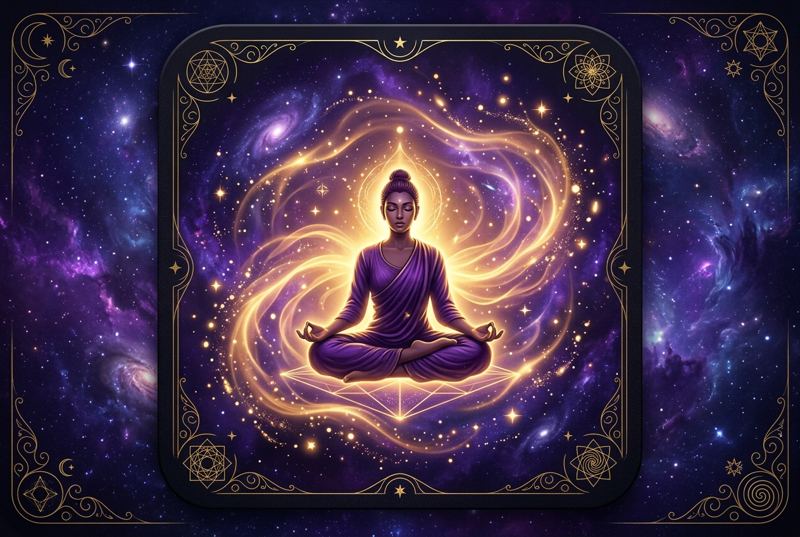
A hectic lifestyle can lead to stress and unrest. Explore calming meditation techniques that help you regain harmony and peace in everyday life.
Meditation Techniques for Calm: How to Find Harmony in Daily Life
Introduction to Meditation Techniques
Meditation has been practiced for centuries as a tool for achieving peace and calming the mind. Its essence lies in the simplicity of focusing on the present moment, which can take various forms, such as following the breath or repeating a mantra. A regular meditation practice, even just a few minutes a day, helps us manage stress and tension more effectively, releasing the energy necessary for action and supporting inner growth.
The importance of meditation techniques in daily life is undeniable. Through them, we can learn to focus our attention and control our emotions, leading to increased resilience to less pleasant experiences. Moreover, meditation is a tool for enhancing mental balance, resulting in a more harmonious approach to everyday challenges.
Meditation not only calms the mind, but also has a positive impact on the body. It lowers cortisol levels, the stress hormone, contributing to better physical well-being. This experience shifts our perspective on many everyday problems and helps us appreciate the beauty of the present moment. To learn more, visit our website. Meditations.
Fundamental Meditation Techniques
One of the most well-known and commonly practiced forms of meditation is breath meditation. Focusing on the breath allows us to enter a state of deep peace. This technique involves conscious breathing, which calms the thoughts and enables complete relaxation of the mind.
Visualizing peace is another popular meditation technique. Imagining peaceful places and situations helps with relaxation and reducing tension. This form of meditation also has therapeutic effects, providing relief during moments of excessive stress and unrest, and helping to find harmony.
Another technique involves the use of mantras. Repeating soothing words or phrases can focus the mind and balance energy. Mantras act as stimuli that lead to a deeper meditative state, bringing peace and inner silence, which is crucial for achieving balance in daily life.
Mindfulness Meditation
Mindfulness, also known as mindfulness, is the ability to be fully present in the moment without judging what we feel and observe. In the context of meditation techniques for calming, mindfulness is the foundation from which to begin. It's not about forcefully quieting thoughts, but rather observing them from a distance, like clouds in the sky.
A basic exercise involves directing attention to the breath. Sit comfortably, close your eyes, and track each inhale and exhale for a few minutes. When the mind begins to wander, gently return to the breath without frustration. You can also try a body scan by slowly directing your awareness from your feet to the top of your head, noticing any tension you encounter along the way.
Regular mindfulness exercises change our response to stress. Over time, we create a pause before reacting impulsively, making life calmer and more conscious. An example? At work, instead of immediately getting upset over a setback, pause, take a deep breath, and assess the situation from a distance. Even five minutes a day is enough to feel a difference.
The Role of Sound in Meditation
Sound is one of the most powerful yet underrated elements of meditation techniques for calming. Well-chosen relaxation music can reduce muscle tension in just a few minutes and slow the breathing rhythm. It's beneficial to select compositions with deep frequencies, such as the sounds of Tibetan singing bowls or soothing piano background music that does not distract but invites the mind to deep relaxation.
The sounds of nature have a particularly gentle effect on the nervous system. The sound of rain, the song of birds, the rush of a stream, or the noise of the ocean evoke feelings of safety and open spaces in the brain. If you can't go into nature, recordings of these sounds work just as well. Let them play in the background during your meditation session and allow the sound to guide you instead of your thoughts.
It's worth experimenting to find out which sounds work best for you, as everyone reacts differently. Some need absolute silence, while others concentrate better with gentle background noise. You can also access ready-made audio sessions in the Ezostylia app, where guided meditations combine music, words, and space for silence all in one place.
Regularity of Meditation Practice
Establishing a ritualized meditation habit doesn't require hours of free time or special equipment. It’s enough to choose a fixed time of day, preferably in the morning right after waking up or in the evening before going to sleep, and stick to this time for the first two weeks, even when you don’t feel like it. The ritual doesn’t have to be complicated: light a candle, sit in your favorite spot, take a few deep breaths, and begin. Simplicity is an advantage here, not a disadvantage.
The benefits of regular practice gradually reveal themselves, but they are noticeably felt. Studies show that after just eight weeks of daily sessions lasting only ten minutes, improvements in stress response, better sleep quality, and greater emotional resilience can be observed. It is important not to evaluate each session individually, as some may feel shallow and distracted while others are deeply relaxing. What matters is the overall sum, not the individual episodes.
It is also helpful to keep a short meditation journal. A single sentence after each session is enough to note how you felt before and after, what distracted you, and what helped. This not only fosters awareness of your own patterns but also provides motivation when you return to your notes after a few weeks and see how much has changed. Consistency doesn’t mean perfection, but rather a steady return, even after breaks.
Meditation in Daily Life
Meditation doesn’t have to be a separate event on your calendar and doesn’t require perfect conditions. Calming meditation techniques can be woven into mundane daily activities. For example: while washing dishes, focus on the sensations in your hands and the sounds of the water. When commuting to work, pay attention to the sounds around you and the smells.
Integrating meditation into your routine works best when you tie it to an already established habit. The Stacking Habits technique involves combining a new activity with one that is already ingrained. After waking up, before checking your phone, take a moment by the window and observe your breath. This strategy eases the introduction of new habits.
Movement meditation is an option for those who find it difficult to sit still. A slow walk, paying attention to your steps, the contact of your feet with the ground, and the surrounding air, transforms ordinary movement into a form of meditation. Try this technique in the park, on the street, or in the office – anywhere you can take a moment for conscious walking.
FAQ
How long should I meditate?
The length of meditation depends on individual needs and experiences. In the beginning, three to five minutes daily is sufficient; consistency is more important than the duration of each session. Gradually, you can extend the sessions to ten or twenty minutes if shorter ones no longer suffice. Trust your body and mind, not just external cues.
Can I meditate in a group?
Group meditation offers benefits such as increased focus and energy, stemming from the shared experience of many individuals. You can find such practices in yoga centers, temples, and increasingly online. For many people, the presence of others provides additional motivation for regular practice.
What are the effects of meditation?
You will notice the effects of meditation in your response to stress, improved sleep quality, greater patience, and enhanced concentration. A deeper sense of inner peace and acceptance of the flow of life also arises. Although the effects require consistency, they become lasting when part of your lifestyle. Practice regularly, and over time you will observe changes in your habits and attitudes.
How do I start meditating when I'm busy?
Start with short sessions of a few minutes. Focus your attention on your breath, even during breaks between commitments. Meditating in silence after waking up or before sleeping is an ideal option for those with a busy daily schedule.