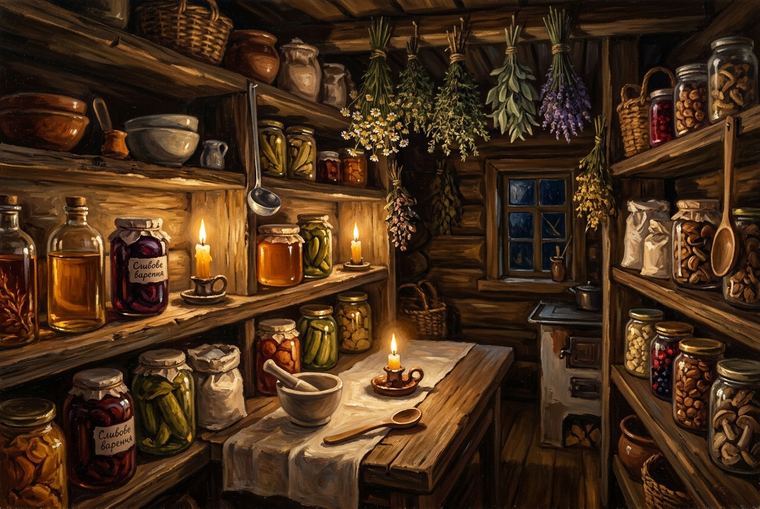
Discover five magical herbs that have supported rituals for centuries. Learn about their esoteric properties and how to use them in spiritual practices.
Magical Herbs in Rituals — 10 Herbs and Their Extraordinary Properties
An Introduction to the Magic of Herbs
Herbs have held a significant place in spiritual practices and domestic rituals for centuries. In esotericism, they are viewed not only as aromatic plants or culinary ingredients but also as carriers of symbolic energy. Their presence in ceremonies is intended to emphasize intention, organize the space, and support focus. For many, it is the simplicity of herbs that makes them so valuable: they are close to nature, easily accessible, and deeply rooted in tradition.
In the magic of herbs, conscious use is paramount. Some choose them for cleansing their homes, while others use them for intention-setting, meditation, or tranquil evening rituals. Each plant carries its own symbolism, but the most important aspect is how individuals connect it to their goals. This process is not a mechanical routine but a mindful approach. Thus, it makes sense to align the herb with the specific need: lavender for calmness, sage for space cleansing, mint for refreshing energy, and rosemary for enhancing focus. This selection makes the ritual simple yet deeply personal.
Herbs can be integrated into daily life in many ways. They are most commonly found in intention bags, ritual baths, infusions for symbolic space cleansing, bowls of dried flowers placed around the home, or used for burning during a quick space clearing. Just a few mindful gestures suffice to give them meaning: lighting a candle, stating an intention, breathing calmly, and focusing on a goal. If you wish to bring more awareness to your own practice, it can also Tarot be helpful in accurately discerning the energy of the situation and choosing the type of ritual more effectively. Herbs and symbols can complement each other and create a cohesive, personal language for working with energy.
Sage — Cleansing and Protection
Sage has long held a significant place in cleansing rituals, as its energy is associated with organizing space and calming excess energies. In spiritual practices, it is used when one wishes to refresh the atmosphere at home, during work, or while meditating. Its presence is often connected to the intention of releasing heavy emotions and restoring inner balance.
Symbolically, sage supports protection against influences that disturb peace. It is not about promising immediate change but rather engaging in a conscious ritual where scent and gesture help direct attention toward one's own goal. Such a practice can become a simple, daily method for building a sense of safety and enhancing contact with one's intuition.
If you wish to work with sage consciously, combine it with a short intention and calm breathing. This ritual need not be complex to be meaningful. Regularity, respect for the plant, and a clear intention are what truly matter. In Ezostylia, similar practices also support other spiritual tools, such as Tarot, if you want to better name the energy you are working with.
Rose — Love and Harmony
The rose has been a symbol of love, tenderness, and beauty for centuries, frequently appearing in rituals related to relationships. Its energy is associated with opening the heart, softening tensions, and reminding us that closeness requires mindfulness. In spiritual work, the rose helps focus on what is warm, supportive, and trustworthy.
In rituals, the rose can serve to strengthen harmony between people, as well as help foster a gentler connection with oneself. Its significance is not limited to romantic love but extends to symbolizing acceptance, gratitude, and the ability to see beauty in everyday life. This energy supports intentions related to reconciliation and peace.
Working with the rose becomes even more valuable when accompanied by a simple, honest intention. You can use petals, an infusion, or the mere presence of the flower as a focus during meditation. The most important thing is that the ritual enhances positive emotions without pressure and without the expectation of immediate results. In this form, the rose best shows its subtle power.
Lavender — Calmness and Relaxation
Lavender is among the herbs naturally associated with calmness, relaxation, and gentle soothing of emotions. In esoteric practices, it is used when a soft energy is needed to support relaxation, meditation, and a momentary pause from daily stress. Its fragrance promotes tranquility, making it commonly used in spaces where mental clarity is sought.
Symbolically, lavender helps anchor attention in the present moment. It is an excellent herb for evening rituals, for work before bedtime, or when one wishes to sort emotions after an intense day. In practice, one can prepare a small sachet for the pillow, add a few dried flowers to a warm bath, place a bowl of lavender next to the meditation space, or include it as part of a gentle cleansing ritual before sleep. The aim is not to artificially block feelings but to create a safe space for them to settle and be perceived with greater equanimity. This practice supports the gentleness towards oneself.
In your daily ritual, lavender can serve as an element of aromatic inhalation or a simple cleansing of the bedroom. A handful of dried flowers, a few deep breaths, and a clear intention are enough to imbue this act with meaning. Its effect should be seen as an invitation to slow down and reconnect with your breath. When the energy of the day becomes overwhelming, lavender reminds us that calming doesn't have to be dramatic to be effective and necessary.
Cinnamon — Attracting Positive Energies
In rituals, cinnamon symbolizes warmth, activity, and the attraction of favorable energy flow. Its intense aroma instantly provides a clear directional shift in spiritual work, which is why it is often associated with intentions related to success, motivation, and openness to new possibilities. In many practices, this herb or spice helps to infuse the ritual with dynamism and clarity.
In esoteric meaning, cinnamon is used to strengthen a positive mindset and invite more ease into life. Practically, it's excellent for rituals at the beginning of a new month, for setting intentions for professional development, for symbolically opening the wallet to abundance, or while working with affirmations of success. A pinch of cinnamon can be added to an intention pouch, gently sprinkled over a sheet with a written request, included in a ritual candle, or used in a short morning ritual to energize the day. Its energy doesn't replace action but can support a focus on the constructive.
It’s advisable to treat cinnamon as an accent rather than the sole foundation of the ritual. It works best when combined with a specific goal and a calm, conscious gesture. This could be the scent, a symbolic jar with intention, an addition to work with affirmations, or an element of the ritual during changes in purpose, such as after a challenging week. This form helps to direct focus on what nurtures growth and a positive flow of energies.
Marigold — Healing Power
In spiritual symbolism, marigold is associated with warmth, care, and gentle support of renewal processes. Its golden hue evokes the energy of the sun, which is why it is often chosen for protective and strengthening rituals. In esoteric practices, marigold is considered a plant that helps restore inner harmony and order where fatigue or distraction has emerged.
Its healing effect primarily possesses a symbolic dimension. It serves as an invitation to self-care, mindfulness, and gentle support on one's journey. Marigold can be present during ritual baths, in herbal sachets, or in simple protective intentions. This application allows the practical to blend with spiritual significance, adding depth to everyday gestures.
When working with marigold, it is important that the coherence of intentions is prioritized. If you wish to support peace, regeneration, and protection, this symbolic ally can help lend a warm, stable tone to the ritual. This plant serves as a gentle reminder that healing often begins with small steps, simple gestures, and patient contact with one's energy.
FAQ
What are the best ways to use herbs in magic?
It's best to start with simple forms that require no complex preparations. Herbs can be used in sachets, ritual baths, aromatic meditations, or as a symbolic element of a written intention. In practice, simple cleansing rituals work well too, such as placing a bowl of lavender in the bedroom, burning a bit of sage before meditation, or preparing a herbal blend for evening relaxation. The key is that each practice is calm, mindful, and tailored to the goal. In esotericism, not only the herbs themselves matter, but also your attention, mood, and clear intention.
Which herbs should be chosen at the beginning?
For beginners, plants with clear meanings like sage, lavender, rose, or marigold are ideal. They are intuitive, easily connected with simple rituals, and support various areas of spiritual work. If you seek peace, choose lavender. If you want to work with protection, turn to sage. If the balance of the heart is important, the rose will assist you. Marigold is often chosen for work with warmth, renewal, and the symbolic reinforcement of everyday energy. It's best to start with one herb at a time to better feel its character and align it with your own intention.
Does each herb have its own properties?
In esotericism, each herb can carry its own symbolism and energy, but the meaning also depends on the intention of the person using it. One plant might be used for protection, another for relaxation, and yet another for enhancing motivation. Sage is often associated with cleansing, mint with refreshment and lightness, rosemary with focus and memory, and chamomile with calm and peace. One should not view herbs as ready-made solutions, but rather as tools that support conscious practice and personal rituals.