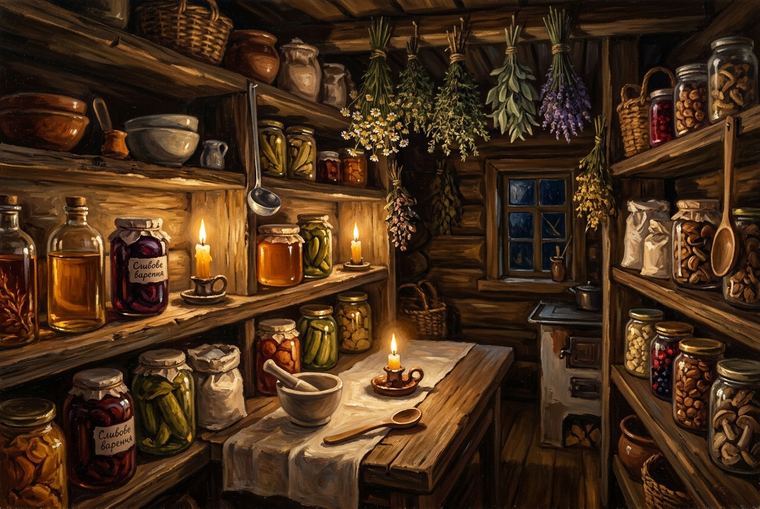
Herbs of the Spellcasters — Unveil the Magic Your Grandmother Embraced
What are the herbs of spellcasters?
The herbs of spellcasters are plants that are rich in magic and healing power within the Slavic tradition. Spellcasters, or women engaged in herbalism and magical practices, used these herbs not only for health purposes but also as tools for connecting with the spirits of nature. Each herb possessed unique properties, known and passed down through generations, creating a vibrant cultural heritage. It’s worthwhile to explore which herbs were especially treasured by our grandmothers and how their power can be harnessed today.
In the tradition of spellcasters, the intention behind gathering and using herbs was incredibly significant. Practitioners of this art believed that herbs carry energies that influence our surroundings. For example, St. John's Wort was frequently employed to alleviate depression and sadness, while chamomile was said to bring peace to the soul. These natural healing methods can provide an intriguing alternative to modern therapies.
The Power of Herbs and Emotions
Emotions are an inseparable part of our lives, and the herbs of spellcasters can play a vital role in managing them. St. John's Wort is an herb that has been valued for centuries for its ability to ease feelings of sadness. Whether consumed as a tea or added to baths, it helps many people discover inner tranquility. Chamomile, on the other hand, is perfect for easing stress, as its calming properties lead us to turn to this plant during times of tension.
Herbs also possess the power to support emotional balance. Their natural extracts affect our nervous system, providing relief from daily struggles. Therefore, it’s beneficial to become familiar with the herbs that our grandmothers understood so well. In Ezostylia, you will find recipes that can help you tap into these gifts of nature.
Herbs as Protection
The herbs of spellcasters serve as potent protective amulets, as in Slavic tradition, certain plants were believed to repel negative energies. Wormwood, recognized as a protective herb, was often included in spells and the creation of talismans. Its scent was thought to deter negative forces, leading many to place dried leaves in windows or doors in hopes of safeguarding their homes.
The protective qualities of herbs extend beyond the physical realm. There was a belief that the correct combination of herbs could strengthen a person's spirit, enhancing their resistance to negative influences. Such herbal amulets could be utilized during significant events, like weddings or births, to ensure prosperity and safety. Discover their secrets and invite herbal magic into your life.
FAQ
Are the herbs of spellcasters safe to use?
Yes, the herbs of spellcasters, when used in proper proportions and in accordance with tradition, are natural alternatives to many modern medications. However, it’s advisable to consult with someone knowledgeable in herbalism before use.
Which herbs are best for stress?
The best herbs for stress relief include chamomile and lemon balm. They promote relaxation and alleviate emotional tension. Consider incorporating them into your daily routine as tea.
Grandmother's Recipes - Herbal Magical Elixirs
Spellcasters clandestinely passed down recipes for herbal elixirs that not only fortified health but also influenced emotional well-being. St. John's Wort, noted for its antidepressant properties, is effectively used as an infusion. Simply pour boiling water over the dried herb and wait fifteen minutes to prepare a drink that helps alleviate feelings of sadness.
Another example is chamomile, renowned for its calming effects. Its tea provides an excellent way to unwind after a long day. Additionally, wormwood, utilized for protective purposes, can also be made into an infusion for cleansing spaces. It’s beneficial to become acquainted with these herbs to enhance your home’s protective rituals.
Herbal Rituals in Podlasie
In Podlasie, spellcasters not only passed down knowledge about herbs but also the rituals associated with their use from generation to generation. The gathering of herbs was a ceremony that involved the entire family. On full moon days, spellcasters would collect herbs believed to have special powers. These acts transcended mere ingredient collection; they were imbued with the intentions associated with them.
One of the most cherished rituals involved preparing a herbal bath, believed to cleanse both body and spirit. Herbs such as mint or thyme were added to the water to promote health and create harmony. This serves as a reminder that herbal traditions are everyday practices worthy of cultivation.
How to Incorporate Herbs into Daily Life?
Incorporating herbs into your daily life is quite simple. You can start by adding herbs to your meals. Fresh basil, oregano, or dill can enhance the flavors of dishes while also boosting your health. It’s also worthwhile to prepare herbal infusions from various herbs that will support health and harmonize your inner being.
Using herbs in rituals can be equally easy. You might weave them into your daily meditation or moments of reflection. When creating an herbal mixture, it’s important to focus on your intentions and desires. In this way, herbs will not only nourish our bodies but also enrich our spiritual journeys. Explore the herbal secrets available in our knowledge base.
FAQ
What are the best herbs for stress?
For managing stress, herbs like lemon balm, lavender, and chamomile are particularly recommended. They promote relaxation and help unwind after a hectic day.
Can you collect herbs on your own?
Yes, but it's essential to adhere to ethical principles and regulations related to nature conservation. Only collect herbs that you can recognize and ensure they are not protected.
How to Store Herbs?
Herbs should be stored in dry, airtight containers away from light. This ensures that they retain their properties and aroma for a longer duration.