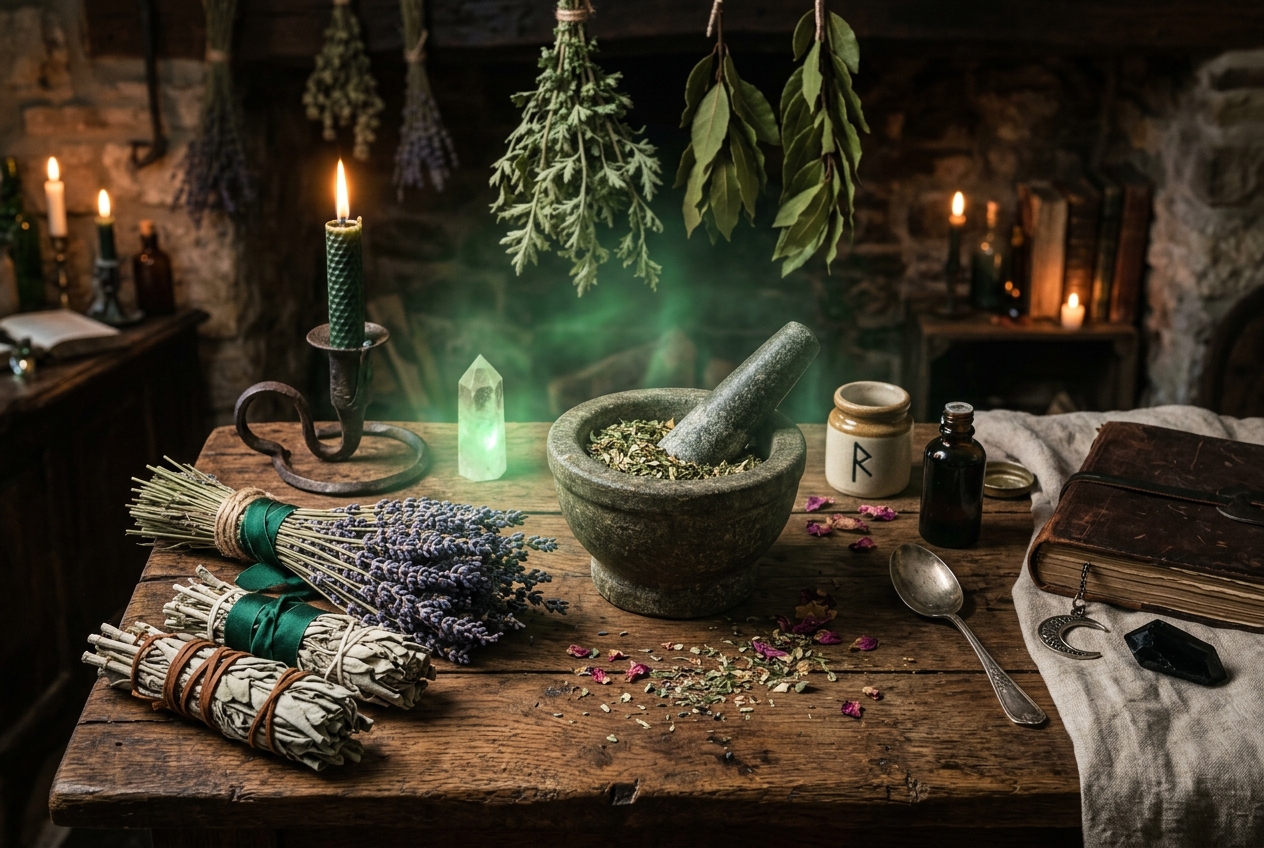
Herbal Rituals — Simplify Your Life with Nature
What are Herbal Rituals?
Herbal rituals are practices that utilize natural herbs to cultivate harmony in both personal and emotional realms. These herbs can support us in various facets of daily life, from meditation to magical endeavors. Their purpose is to connect us with nature and to amplify our life force.
The history of herbal use in rituals stretches back thousands of years. In ancient cultures, herbs were regarded not only as remedies but also as vital elements in spiritual practices. Shamans and healers incorporated them into ceremonies, believing in their power to influence natural events and enhance well-being.
The Power of Herbs in Daily Life
Herbs possess remarkable potency that can positively impact our health and mood. By integrating herbs into our daily habits, we may notice improvements in energy, concentration, and relaxation. This natural support can be essential in combating the stress and fatigue of everyday life.
The most popular herbs include mint, lemon balm, and chamomile. Each of these herbs offers unique properties: mint refreshes and aids digestion, lemon balm calms the mind, and chamomile is known for its soothing effects. Regular use can invite harmony into our lives.
Rituals Supporting Health and Well-Being
Herbal rituals can enhance our health in various ways. For instance, a ritual for promoting restful sleep can be performed by brewing an infusion of lavender and chamomile. These herbs help induce relaxation and foster a state of calm, vital for restorative sleep.
Another form of ritual involves herbal combinations that can alleviate stress and tension. For example, an infusion of lemon balm and vervain, consumed several times a day, can help ease anxiety and cultivate tranquility. Remember, each ritual requires intention, so take a moment to focus on your desires before beginning.
FAQ
What are the best herbs for daily use?
The best herbs for daily use are mint, lemon balm, chamomile, and lavender. Their properties support both physical and emotional well-being.
Are herbal rituals safe?
Herbal rituals are generally safe, but it's wise to consult an expert, especially if you are on medication or have specific health concerns. Always listen to your body and use herbs with care.
How can I incorporate herbs into my daily routine?
To incorporate herbs into your daily routine, you can prepare infusions, add them to meals, or use them in essential oil form. It's essential to do this with intention and an awareness of your well-being.
Herbs in Meditation and Relaxation
Herbs have been utilized for centuries in meditative practices as a natural means of supporting the mind and body. Adding the right herbs to your meditation can facilitate a deeper state of relaxation. Herbs like lavender and lemon balm, known for their calming properties, help still the mind and encourage relaxation.
During relaxation sessions, it’s beneficial to use herbs that stimulate the senses. Burning herbal incense, such as rosemary or sage, can enhance the atmosphere, promoting a sense of harmony. A few drops of essential oil from these plants added to a diffuser can enrich your experiences while supporting the meditation process.
Practical Herbal Rituals for Everyday Life
Incorporating simple herbal rituals into daily life can offer numerous benefits. Start by brewing tea from your favorite herbs, creating a moment of relaxation and self-care. Chamomile or mint tea not only tastes delightful but also aids digestion and calms your nerves, making it an excellent way to unwind at the end of the day.
It’s also worth exploring the creation of herbal elixirs at home. With just a few ingredients, like fresh herbs, honey, and lemon, you can craft a refreshing drink that boosts immunity. These beverages can be enhanced with various harmonizing herbs, making them even more beneficial for your health.
Herbs in Culture and Tradition
In many cultures around the globe, herbs have played a significant role in rituals and traditions. In ancient Egypt, herbs were not only used in medicine but also in religious ceremonies. Placed on graves, they were believed to protect the deceased and grant them peace in the afterlife. In Asian traditions, herbs were essential components of therapies designed to harmonize the energy within the body and spirit.
The ethnographic aspects of herbal rituals reveal a wealth of practices that differ by region. In some communities, herbs were incorporated into ritual dances to seek protection or blessings. By delving into these practices, we can deepen our understanding of herbs and their significance in our world.
FAQ – Frequently Asked Questions
What herbs are best for stress?
Effective herbs for stress relief include lavender, lemon balm, and ashwagandha. These plants possess calming properties that can help alleviate tension and promote well-being.
Are herbal rituals safe?
Yes, herbal rituals are generally safe, but it's crucial to remember that some herbs may cause allergic reactions or interact with medications. Always consult an expert before using them.
What are the best ways to prepare herbs?
The best methods for preparing herbs include brewing, cooking, or crafting tinctures. It's also beneficial to use them fresh to preserve their maximum health benefits. Learn more in the wisdom section.