Aura colors are a unique way to understand yourself and your surroundings. In this article, we'll explore their meanings and how they influence your personality.
Aura Colors — Their Meaning and What They Say About You
What is the aura and why are colors important?
The aura is often described as a person's energy field that symbolically surrounds the body and reflects what is happening inside. In an esoteric sense, it is not a decoration or a random haze but a subtle record of moods, emotions, tensions, and inner strength. When we discuss "Aura Colors — Their Meaning and What They Say About You," we enter the language of energy rather than literal labels. Color becomes a clue, not a verdict, as it indicates the direction in which your attention, emotions, and life energy flow.
The meaning of aura colors is connected to emotions, temperament, and how we react to the world. One day you might radiate calmness, another day a drive to take action, and yet another day a need for tranquility. Such changes do not have to signify anything negative. They rather show that a person is alive, sensitive, and subject to the rhythm of experiences. Aura colors help us name what we often feel intuitively but find difficult to articulate, especially when we want to better understand our mood, relationships, and inner needs.
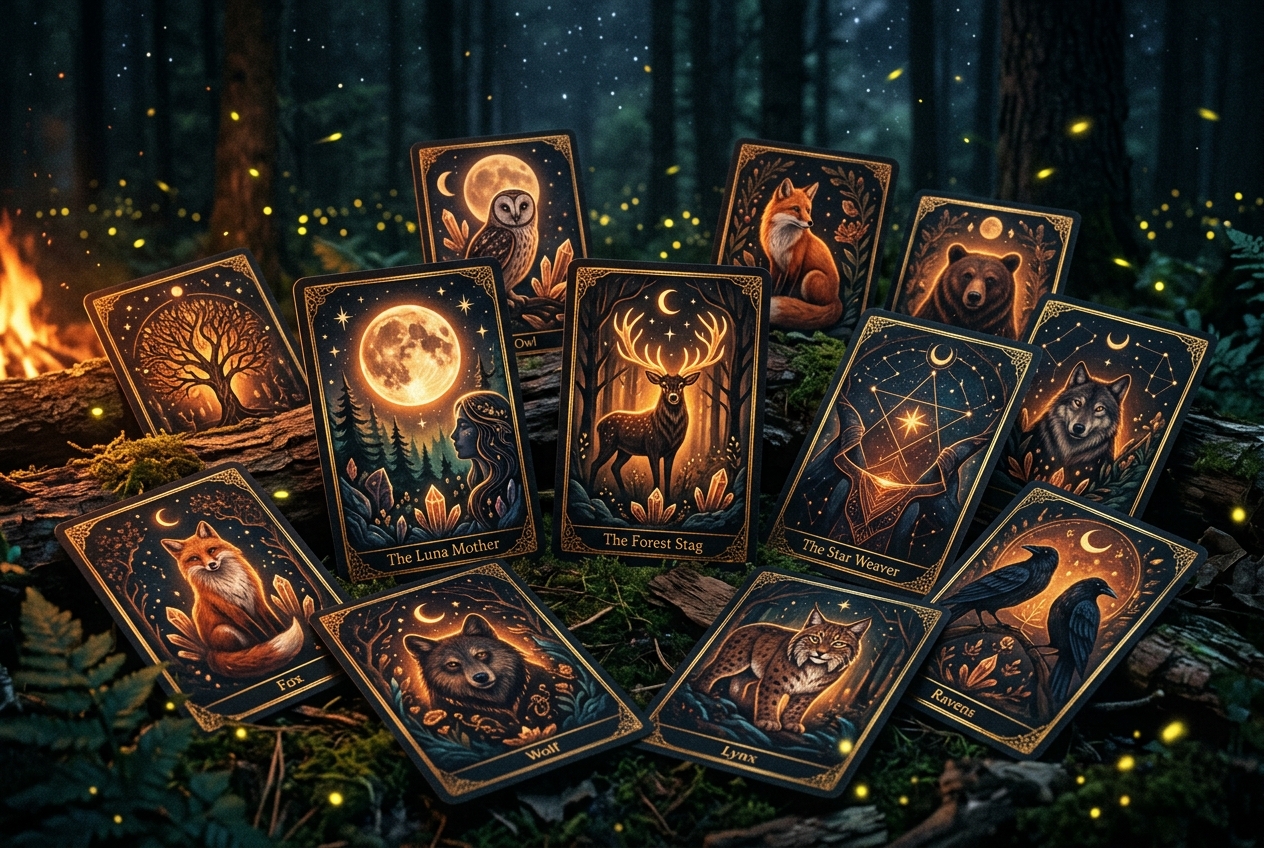
In everyday life, aura colors can act like a mirror. They help you notice when you need rest, when it's wise to trust your intuition, and when it's better to focus on action and concreteness. For many, it is also a tool for better self-discovery and emotional organization. If you are interested in a broader exploration of energy and symbols, you can also delve into tarot, which, like the aura, reveals the hidden background of situations and the internal state of a person, though it does so through a different language of symbols.
Different aura colors and their meanings
The yellow aura color is typically associated with creativity, lightness, and optimism. It is the energy of someone who enjoys seeking new solutions, inspires others, and often brings a fresh perspective to everyday matters. A yellow aura can indicate an open mind, a need for movement, and joy in creation. It can also signal that someone craves more freedom, fun, and space for their own ideas rather than rigidly adhering to patterns.
The blue aura color is linked to tranquility, intuition, and attentive listening. People with this energy often value harmony, truth, and honesty in relationships. A blue aura may indicate a need to organize thoughts, quiet emotions, and build trust. Red, on the other hand, symbolizes passion, life force, and readiness to act. It is a strong, dynamic color carrying determination, courage, and intensity of experiences. Green signifies harmony, balance, and regeneration, while purple is associated with spirituality, insight, and wisdom that comes from experience. In practice, a green aura often appears when a person regains their inner balance, learns gentleness towards themselves and others, or undergoes a process of emotional healing. It indicates that energy is returning to its natural rhythm and begins to support calmness, growth, and greater resilience to chaos.
In practice, the meaning of aura colors should be read holistically, rather than choosing just one symbol and treating it as the only truth. A person can embody several dominant tones that change with life stages, relationships, and emotions. Yellow does not exclude depth, blue does not mean a lack of energy, and red does not have to signify tension. The very variability is the essence of observing the aura: it allows you to better understand yourself and notice what you truly need at a given moment.
How to read your aura?
Reading your aura should be started calmly, without pressure for immediate results. The simplest method is a moment of meditation in a quiet space, with natural light, gently focusing your gaze on your reflection or silhouette against a light background. It's not about forcing an image but observing subtle sensations, associations, and feelings. A color may appear as a gentle thought, emotion, or sensation of temperature, movement, or tension in the body.
In practice, emotional reflections hold significant importance. If you notice calmness, lightness, and clarity of thought, you can interpret this as a signal of a more harmonious energetic state. Conversely, fatigue, irritability, or chaos often influence how you perceive aura colors. Keeping short notes after meditation can help you see recurring patterns and link them to daily experiences, relationships, and your level of inner balance.
Intuition is also helpful in interpretation, as the aura does not always present itself in a literal way. Instead of asking just what color you see, also ask what it means for you and what emotions it evokes. Sometimes the meaning is more important than the image itself. If you want to deepen your work with symbolism, you can also explore tarot, considering it as a tool for better understanding moods, intentions, and the hidden processes accompanying the perception of the aura.
Best results come from regularity. Short exercises done daily, even for a few minutes, help you notice the differences between a temporary state and a more lasting energetic feeling. Over time, you can recognize when you see the aura through the prism of emotions and when a more stable symbol appears. Such practice teaches patience and respect for your own perception, without judging it as better or worse.
How do aura colors influence our relationships?
Aura colors can say a lot about how we connect with other people. A person who radiates calmness usually builds relationships in a gentle and supportive way, while someone with more intense, dynamic energy may introduce pace, passion, or a need for action into the relationship. These are not rigid labels but guidelines that help better understand your style of being with people. This makes it easier to observe what brings you closer together and what causes tension. A yellow aura may facilitate light, spontaneous contacts, a blue aura supports conversation and trust, a green aura eases building relationships based on care and mutual understanding, while a red aura brings passion, decisiveness, and a clear presence. Each of these colors impacts the bond differently, which is why it is valuable to view them as various ways of expressing feelings rather than a simple division into good and bad energies.
Interpreting the aura of others should be done with mindfulness and without jumping to conclusions. The color seen in someone else's energy may reflect a temporary mood, current challenge, or the way that person protects their privacy. In relationships, the most important thing is to combine observation with empathy. If someone appears closed off, it does not always mean a lack of warmth. Sometimes, it signals a need for safety, time, or space to open up at their own pace.
The colors of your partner's aura can also help you understand your own emotions. When you feel lightness, calmness, or intrigue with another person, it often speaks to your needs and boundaries. Pay attention to which colors you associate with that relationship and what states they evoke. Such reflection supports dialogue, as it allows you to speak not only about facts but also about the atmosphere between the two people, which has a real impact on closeness and trust.
Practical applications of knowledge about aura colors
Knowing aura colors can support daily decisions if you treat it as a tool for self-observation rather than a ready oracle. The colors that appear in your feelings can indicate whether you need rest, action, conversation, or quiet. This makes it easier to plan your day according to your own rhythm. It is a simple way to better manage your energy and not overburden yourself when your body and emotions signal fatigue.
Aura colors can also assist in making life decisions. If a given color is associated with movement and courage, it may indicate a readiness for change. If another brings peace and stability, it may encourage patience and building foundations. It is not about the color deciding for you but rather serving as one element of reflection. This perspective helps to better read whether a choice arises from internal agreement or from a momentary impulse.
In personal development, it is valuable to use aura colors as a language for contacting yourself. You can meditate on the color that currently draws you, write down associations, and check how they translate into daily actions. This helps build greater coherence between emotions, thoughts, and behaviors. Over time, you will more easily notice which states serve you and which require support, rest, or a change in life's pace.
FAQ
How can I change the color of my aura?
In a spiritual approach, changing the aura is primarily related to changing your internal state, habits, and emotions. Meditation, rest, contact with nature, honest self-reflection, and working on what burdens you help. When you frequently return to calmness, gratitude, and balance, your energetic sensation usually becomes brighter and more harmonious. It is a process that requires time and mindfulness. The change in aura color can also reflect various areas of life: in relationships, you become more open or cautious; at work, focusing or a creative flow becomes easier; in everyday life, you quickly see what you need to regain balance. Thus, it is not about a quick effect but about gradual transformation that begins with small but consistent steps.
Do aura colors change?
Yes, aura colors can change because they reflect your current emotional, mental, and life state. You might feel different on a day full of stress than during rest or an important decision. Change does not have to signify anything alarming. It is often a natural signal that you are going through a transitional phase, learning something new, or needing more self-care. Such variability can affect mood, communication, energy levels, and decision-making processes. When more red appears, you may feel a greater drive to act; when blue dominates, the need for silence and conversation increases; with green, balance and regeneration become easier; with yellow, lightness and creativity return. This is why it is valuable to observe the aura regularly, not just once.
How to understand the aura colors of other people?
The best approach is to start with careful observation and an open mind, without assigning ready-made traits based on a single impression. The color you associate with another person may speak to their mood, way of communicating, or energy at that moment. It is also crucial to ask about context, as the aura does not function as a label. Good understanding comes when you combine intuition, empathy, and real conversation. Changes in aura colors can suggest whether someone needs support, space, inspiration, or quiet, which in turn helps better manage cooperation, friendships, and close bonds. The better you understand the dynamics of these colors, the more easily you notice how a person's energy affects daily relationships, decisions, and the atmosphere around them.