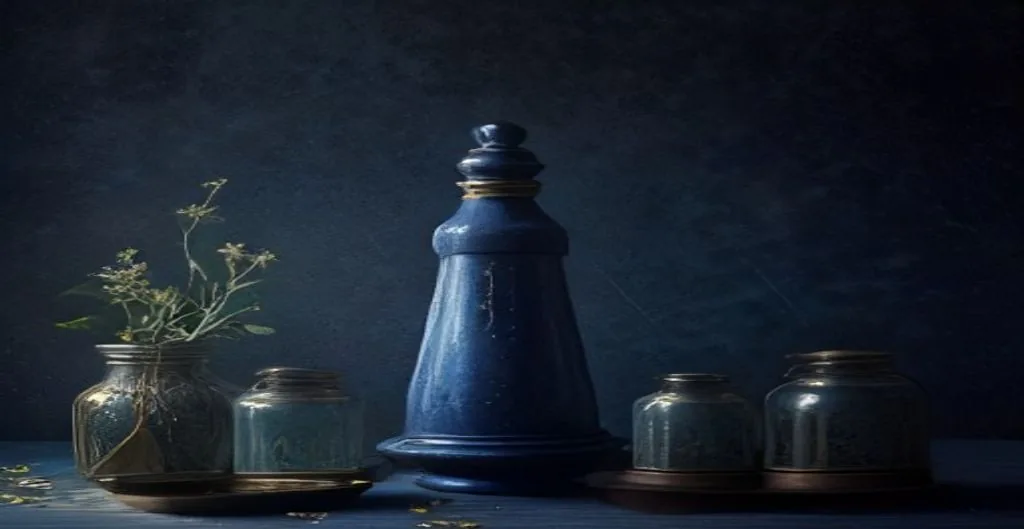
Wosk, len, popiół i szept modlitwy — oraz 12 ziół, które słowiańskie szeptuchy i zielarki znały jak nikt. Autentyczne zdjęcia i mało znane ciekawostki.
Na Podlasiu, w okolicach Hajnówki, Bielska Podlaskiego i Orli, do dziś żyją szeptuchy — ludowe uzdrowicielki, których praktyka wyrasta z prawosławnej religijności i wielowiekowej tradycji słowiańskiej. Szeptucha nie „czaruje”: ona szepcze modlitwę nad chorym, kreśli znak krzyża i posługuje się prostymi darami natury. Jej domeną jest pięć dolegliwości: przestrach, urok (złe oko), róża, wiatr (przewianie) i nerw-kołtun.
W rytuałach szeptuch najważniejsze są: wosk pszczeli (przelewany nad głową do zimnej wody, by „odlać” przestrach), len (palony nad chustą przy leczeniu róży), popiół z pieca, owcza wełna oraz zamawiane woda, sól i chleb. Obok nich od wieków stoi jednak cała apteka pól i miedz — zioła, które słowiańskie zielarki i szeptuchy znały jak nikt inny. Leczenie zawsze uważano za dar od Boga, nie usługę: za pomoc dziękowano słodyczami, płodami rolnymi lub drobną ofiarą.
Zielnik szeptuch — 12 świętych roślin
Oto zioła, które w słowiańskiej tradycji ludowej miały największą moc. Zdjęcia pochodzą z zasobów Wikimedia Commons, m.in. ze słynnego atlasu botanicznego Köhlera z 1897 roku.
Piołun (bylica piołun) (Artemisia absinthium)
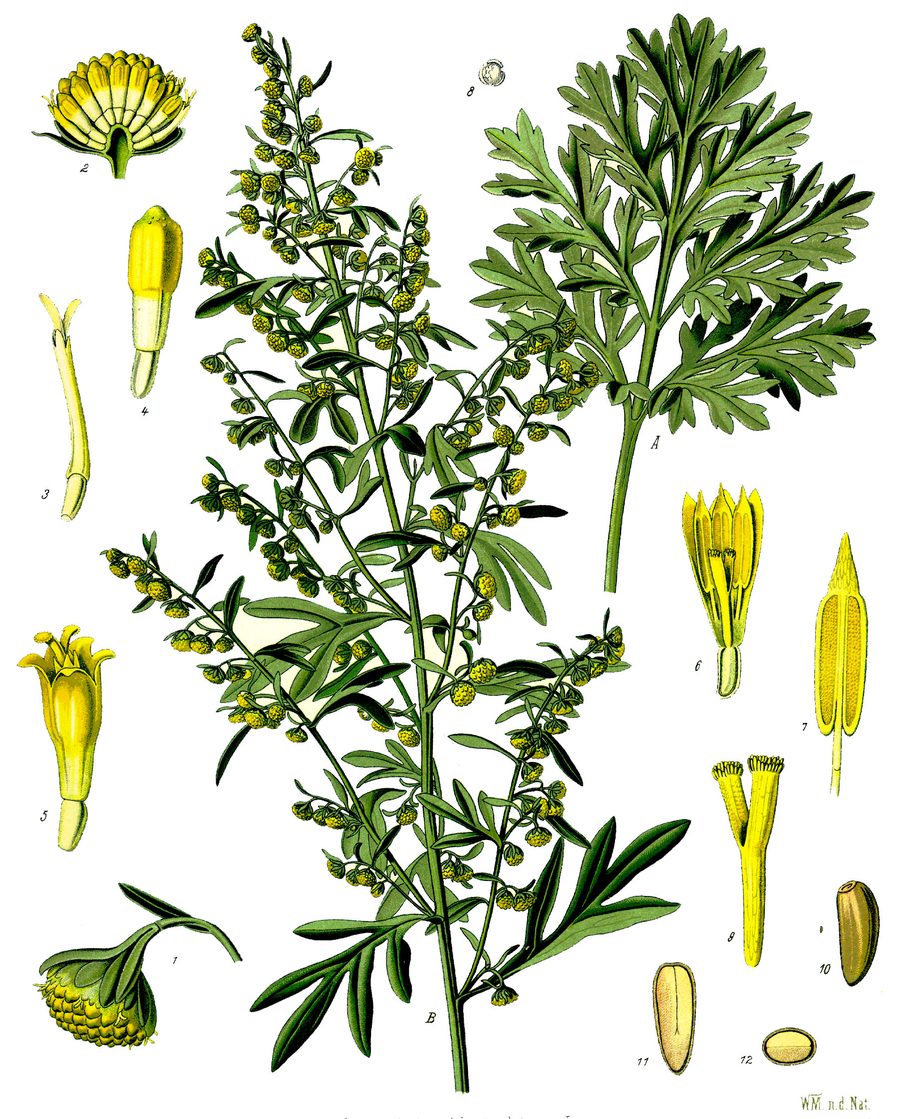
Jak używano: Najbardziej „magiczne” ziele Słowian. Gorzki jak żal, palony do okadzania domów przy odczynianiu uroku i wypędzaniu złych mocy. Wieszany nad drzwiami chronił dom i obejście.
Ciekawostka: W noc świętojańską wianki z piołunu noszono na głowie, by chronić przed czarami przez cały rok.
Dziurawiec zwyczajny (Hypericum perforatum)
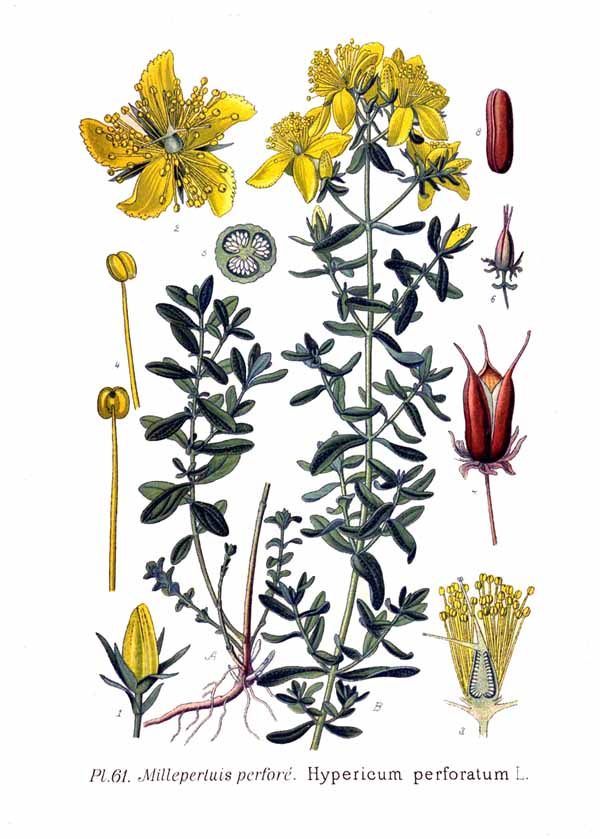
Jak używano: „Ziele świętojańskie”, zbierane w wigilię św. Jana. Ludowa tradycja przypisywała mu moc odpędzania demonów, stąd dawna nazwa fuga daemonum, czyli „ucieczka demonów”.
Ciekawostka: Czerwony barwnik wyciskany z kwiatów zwano „krwią św. Jana” i uważano za znak jego szczególnej mocy.
Krwawnik pospolity (Achillea millefolium)
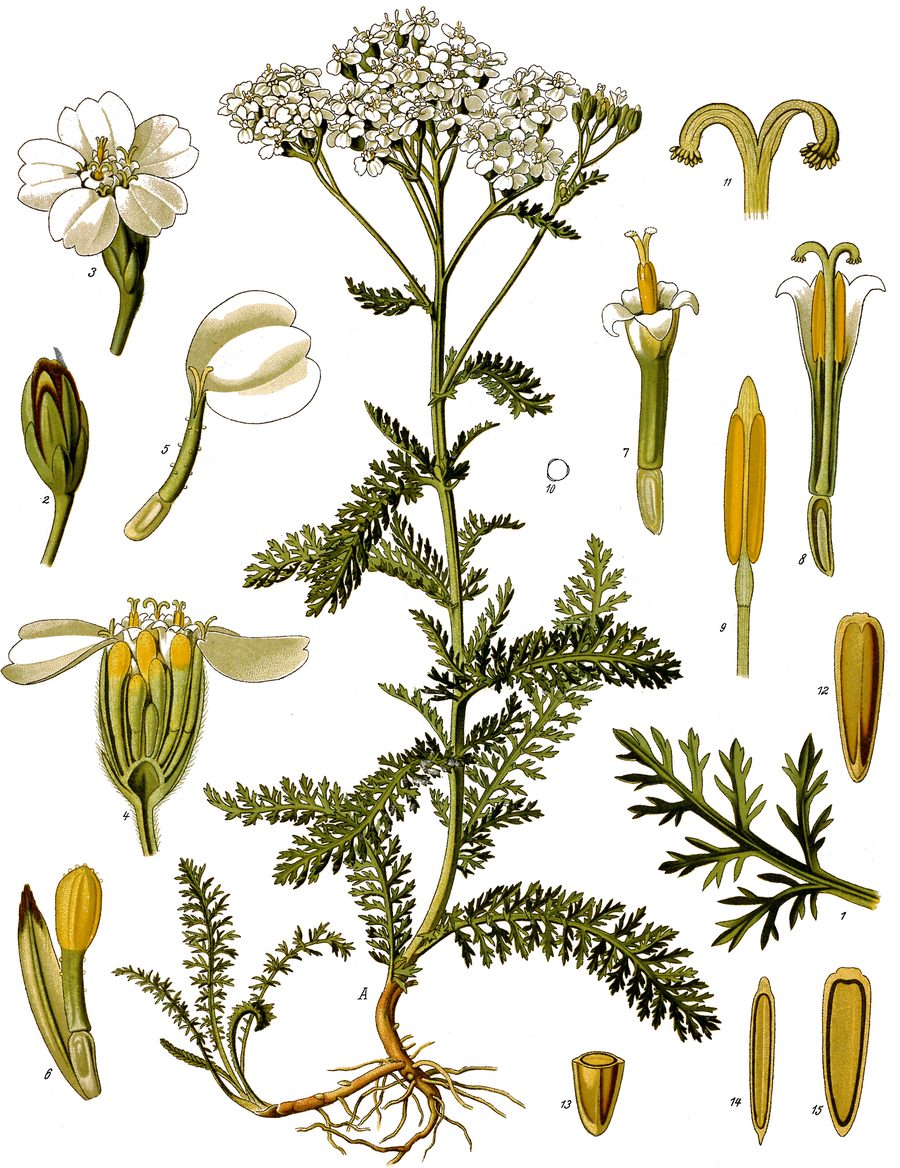
Jak używano: Ziele wojowników i zielarek. Tamował krwawienia, a w magii ludowej służył do wróżb miłosnych i ochrony przed „złym spojrzeniem”.
Ciekawostka: Nazwa łacińska pochodzi od Achillesa, który według legendy opatrywał nim rany swoich żołnierzy pod Troją.
Rumianek pospolity (Matricaria chamomilla)
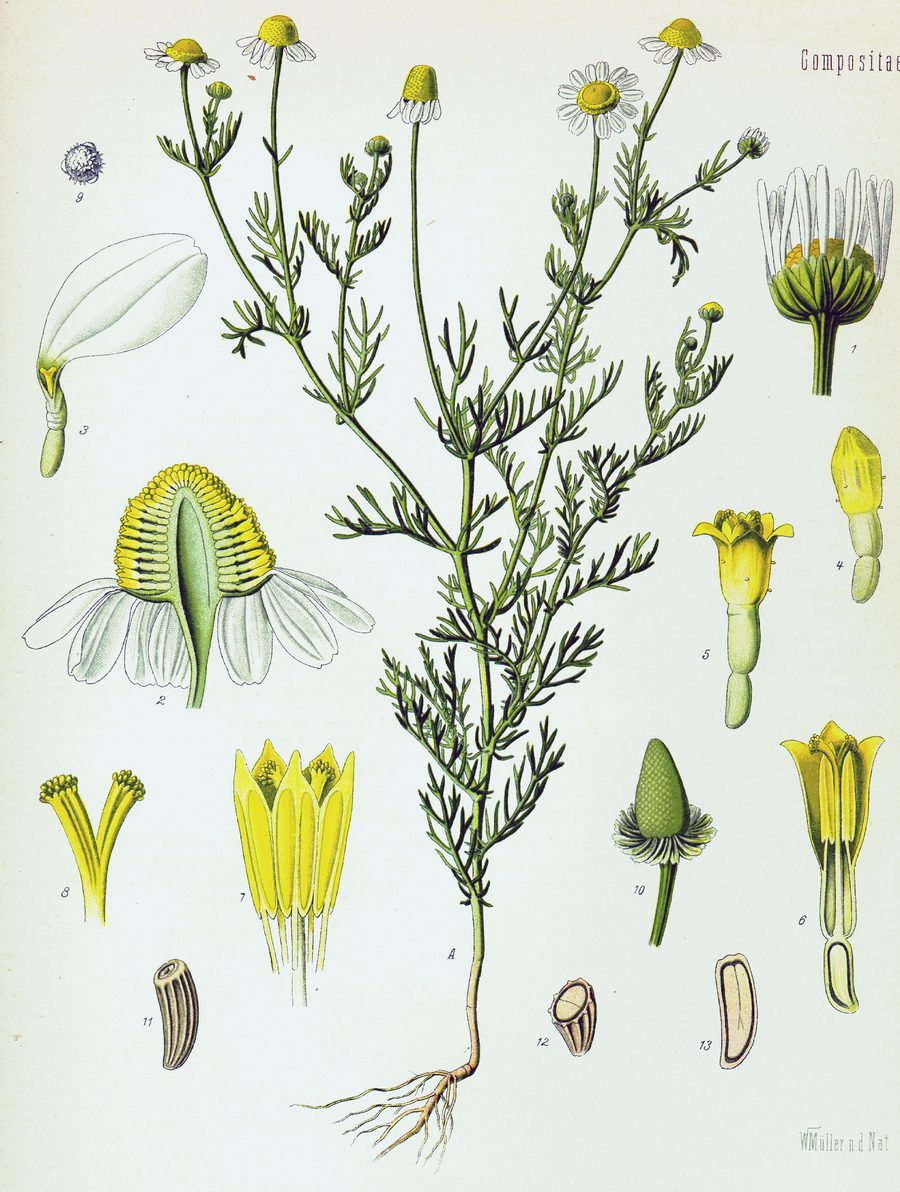
Jak używano: Łagodny strażnik dzieci. Kąpiele rumiankowe „zmywały” z niemowląt przestrach i urok, a napar koił nerwy i żołądek.
Ciekawostka: Słowianie uważali rumianek za kwiat słoneczny, poświęcony bóstwom światła — dlatego kładziono go do kołyski.
Pokrzywa zwyczajna (Urtica dioica)
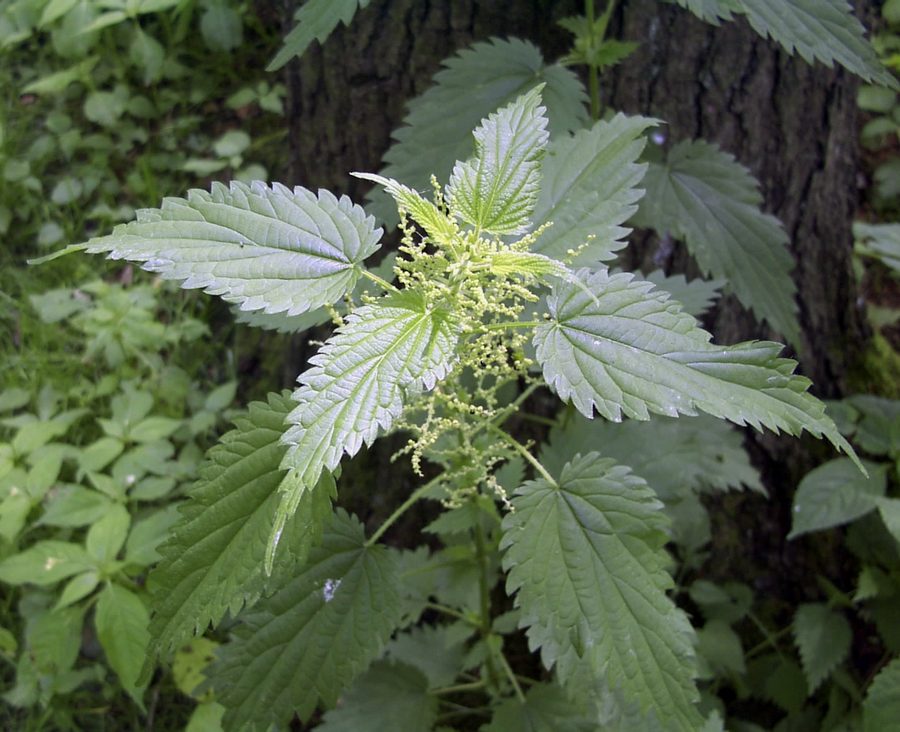
Jak używano: Zielona tarcza ochronna. Rzucana na próg i pod okna w noce przesilenia, by żadna zła siła nie weszła do domu. Wzmacniała krew i witalność.
Ciekawostka: Wierzono, że pokrzywa zerwana gołą ręką bez poparzenia świadczy o czystych intencjach zbierającego.
Czarny bez (Sambucus nigra)
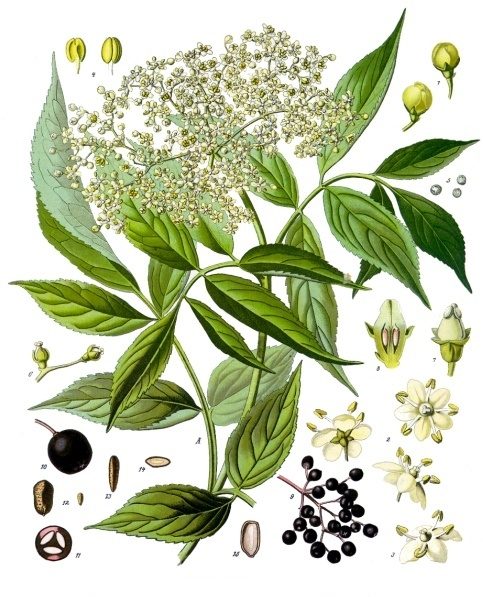
Jak używano: Święty krzew graniczny między światem żywych i umarłych. Nie wolno było go wycinać bez przeproszenia — „Pod bzem mieszkają duchy przodków”. Kwiat i owoc leczyły przeziębienia.
Ciekawostka: Przed ścięciem bzu gospodarz zdejmował czapkę i mówił: „Wybacz, bzowino” — inaczej sprowadzał na dom nieszczęście.
Lipa drobnolistna (Tilia cordata)
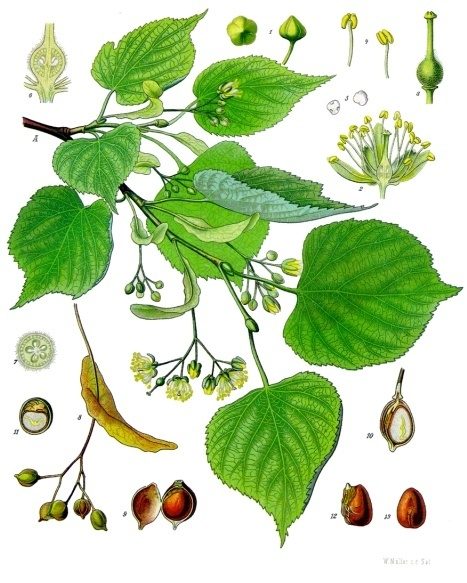
Jak używano: Drzewo Matki Boskiej i słowiańskiej bogini miłości. Pod lipami odprawiano sądy i modlitwy, a napar z kwiatów leczył gorączkę i „wypacał” chorobę.
Ciekawostka: Wierzono, że piorun nigdy nie uderza w lipę — dlatego chowano się pod nią w czasie burzy i sadzono ją przy domach.
Bylica pospolita (Artemisia vulgaris)
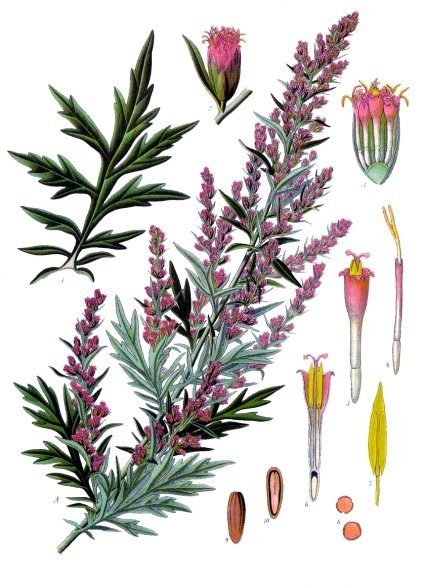
Jak używano: Ziele przesilenia letniego. Pasy z bylicy noszono na biodrach w noc Kupały, a potem palono w ognisku, by spłonęły z nimi choroby i uroki całego roku.
Ciekawostka: Bylica zawieszona w oborze miała chronić krowy przed czarownicami odbierającymi mleko.
Mięta pieprzowa (Mentha × piperita)
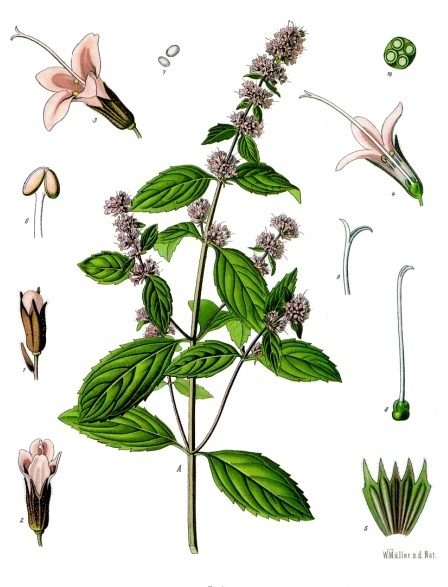
Jak używano: Ziele czystości i jasnej głowy. Wkładana do trumien i święconych bukietów, okadzano nią izby po chorobie i kłótni, by „przewietrzyć” złą energię.
Ciekawostka: Na Podlasiu miętę wplatano w wianki święcone na oktawę Bożego Ciała — taki wianek chronił dom przez cały rok.
Babka lancetowata (Plantago lanceolata)
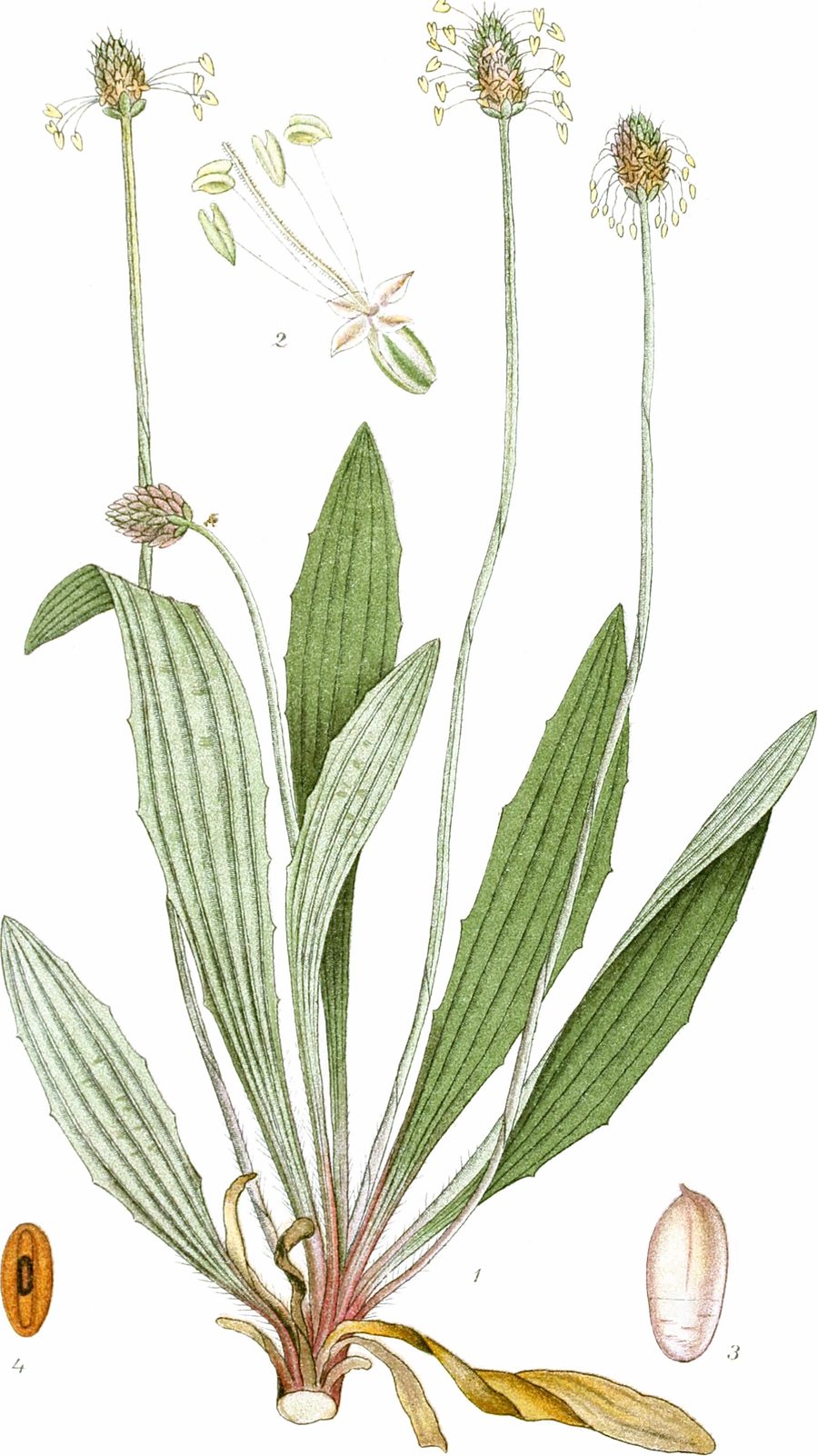
Jak używano: Pierwsza pomoc spod miedzy. Liść przykładano na rany, ukąszenia i „różę”. W zamowach występuje jako ziele „co dziewięć chorób odbiera”.
Ciekawostka: W starych zielnikach babkę zwano „matką ziół” — anglosaskie zaklęcie Dziewięciu Ziół wymienia ją zaraz po bylicy.
Dziewanna wielkokwiatowa (Verbascum densiflorum)
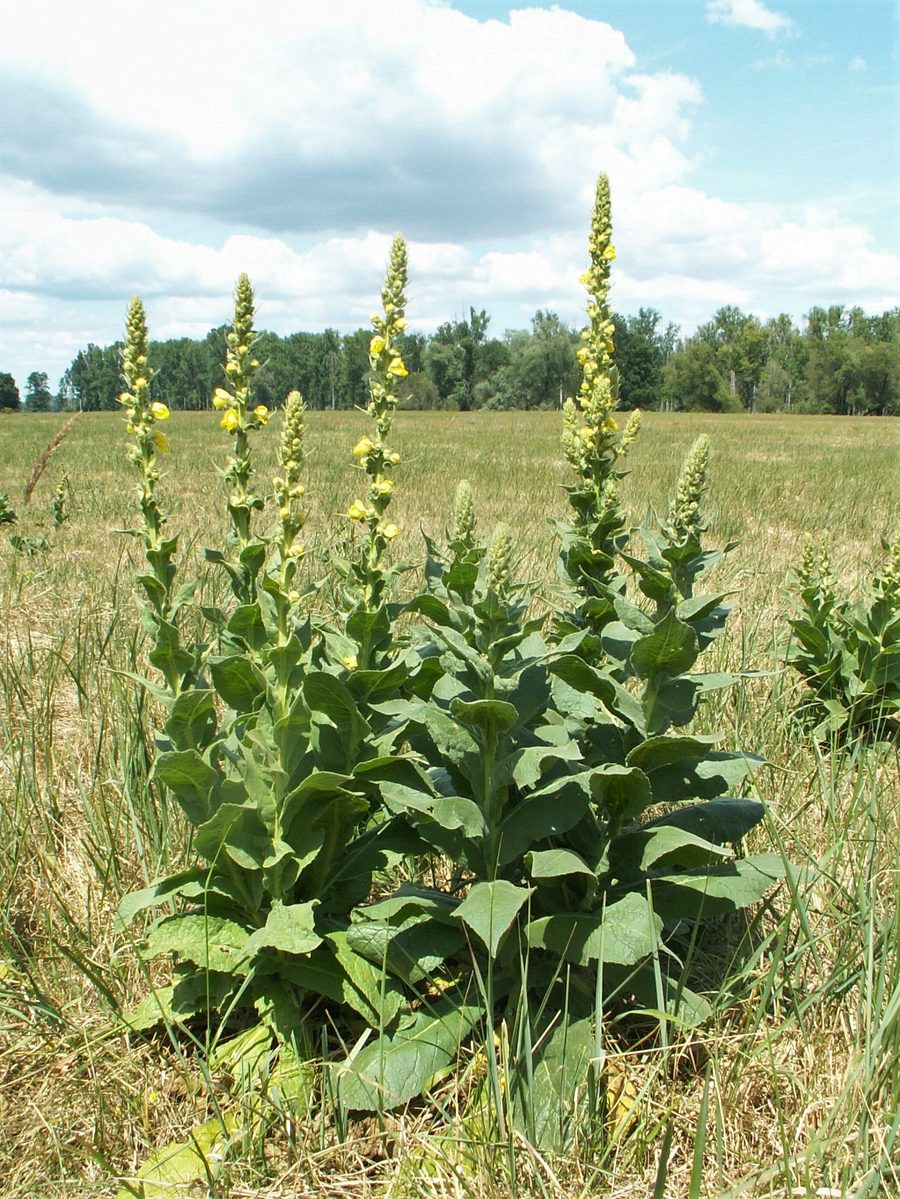
Jak używano: Złota świeca zielarek. Wysuszone łodygi maczane w wosku służyły za pochodnie w obrzędach, a kwiat leczył kaszel i chrypkę.
Ciekawostka: Imię rośliny łączy się ze słowiańską boginią Dziewanną, panią dzikiej przyrody i łowów.
Łopian większy (Arctium lappa)
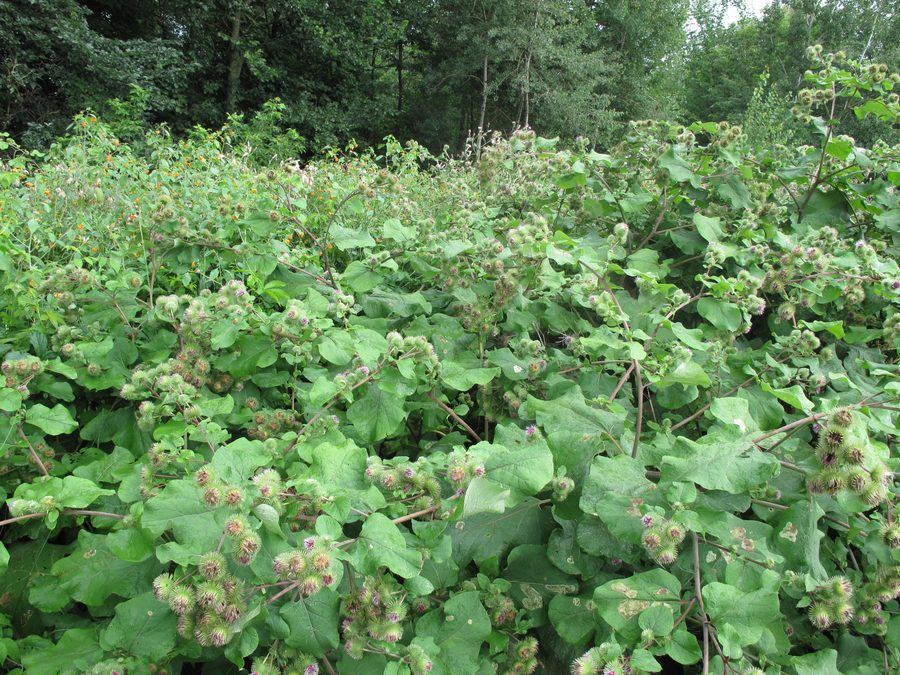
Jak używano: Wielkie liście kładziono na czoło przy gorączce i na stawy przy bólu. W magii ludowej łopian „przyczepiał” zdrowie tak, jak jego rzepy czepiają się ubrań.
Ciekawostka: Rzepy łopianu zainspirowały wynalazcę rzepów velcro — George'a de Mestrala — w 1941 roku.
Szeptucha a zielarka — czym się różnią?
Szeptucha przede wszystkim odmawia modlitwy i zamowy — słowo jest jej głównym narzędziem, a wosk, len i popiół pomagają „zdjąć” chorobę. Zielarka leczy ciałem rośliny: naparami, okładami i kąpielami. W praktyce obie tradycje przez wieki przenikały się w jednej wiejskiej chacie, a wiedzę przekazywano z babki na wnuczkę.
Ciekawostki, których mogłaś/mogłeś nie znać
- Szeptuchy nie ustalają cennika — wierzą, że dar wyceniony traci moc.
- Do dobrej szeptuchy trafia się „po nitce”: adres przekazywany jest z ust do ust, nigdy z reklamy.
- Zamowa wypowiadana jest szeptem, bo wypowiedziana głośno „ucieka” — stąd nazwa szeptucha.
- Wiele szeptuch odsyła najpierw do lekarza: leczą to, „czego doktor nie widzi”.
Wypróbuj mądrość ziół w Ezostylii
W aplikacji znajdziesz Księgę Ziół z opisami właściwości, rytuałami i zastosowaniami — a obok niej runy, tarot i pełną Mapę Życia. Pamiętaj: wiedza ludowa to piękne dziedzictwo i inspiracja, ale nie zastępuje konsultacji z lekarzem.
Źródła zdjęć: Wikimedia Commons (domena publiczna / CC), m.in. Köhler's Medizinal-Pflanzen (1897). Źródła etnograficzne: badania nad medycyną ludową Podlasia (UMB, UwB), relacje prasowe i etnograficzne o szeptuchach z Orli i okolic Hajnówki.
Źródła
- Tradycja ezoteryczna — symbolika tarota, run i numerologii przekazywana w kulturze europejskiej.
- Symbolika kulturowa — interpretacje archetypów i znaków w ujęciu porównawczym.