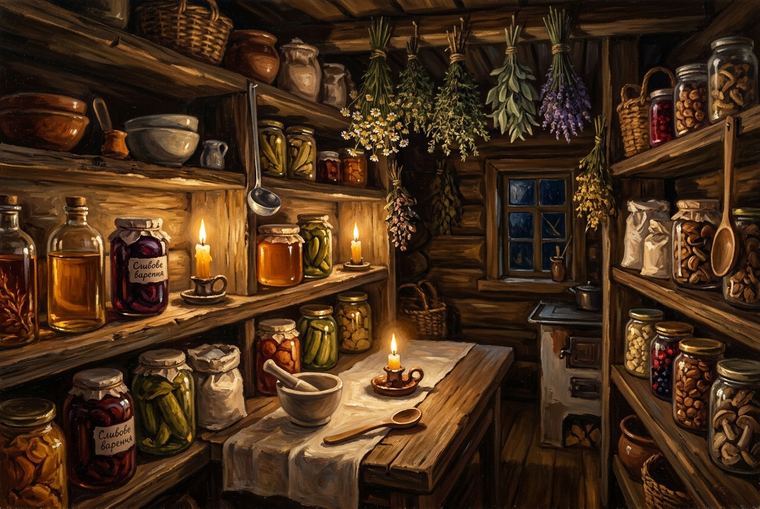
Quote of the Day: Old English Herbals - The Magic and Medicine of Plants
Significance of the Quote from Old English Herbals
Old English herbals, such as the 'British Herbarium', are far more than simple collections of plant information; they carry profound messages about the power of these natural wonders. A quote from this work serves as a reminder of the spiritual and physical value of plants, highlighting the harmonious bond between humanity and nature. Herbals encapsulate the wisdom of our ancestors, teaching us to respect the environment that envelops us.
In the realm of plant magic and medicine, quotes from these texts inspire us to explore local herbs and their significance. This invites us on a fascinating journey where plants unveil their secrets and the potential they hold for us. The interplay of faith, culture, and herbal medicine becomes a wellspring of knowledge for us.
Plant Magic in Tradition
Guidelines from old English herbals reveal how various cultures regarded plants as sources of magical power. During the Middle Ages, herbalists utilized herbs for both medicinal and magical purposes, believing in their ability to influence human life. For instance, sage was revered as a sacred protective plant.
Depending on the tradition, different plants served various roles. In Celtic mythology, heather symbolized longevity and happiness. In Hindu herbalism, turmeric is utilized not only in cooking but also in rituals aimed at shielding against negative energies. This diversity underscores how deeply embedded the reverence for plants was across many societies.
Natural Medicine and Old English Herbals
Old English herbals are invaluable resources for understanding the use of plants in natural medicine. Today, we draw from the wisdom of centuries gone by, adapting it into modern herbal therapies. Many of the plants mentioned in these herbals have become key ingredients in contemporary dietary supplements and natural remedies.
Herbal medicine draws on the inherent properties of plants, and the knowledge encapsulated in herbals is an irreplaceable treasure for herbalists and therapists alike. Ongoing research into active compounds continues to reveal how we can effectively harness the power of nature. Each plant described in such texts possesses its unique health potential, contributing to a holistic approach to wellness.
FAQ
What plants are found in old English herbals?
Old English herbals encompass a variety of plants, including sage, thyme, turmeric, and heather. Each of these has distinct properties and uses in natural medicine and magic.
What is the significance of herbals in spirituality?
Herbals hold a pivotal role in spirituality, offering deeper insights into the interconnectedness of humans and nature. They remind us of the importance of respecting and utilizing nature's gifts responsibly.
History of Herbals
Old English herbals boast a long and rich history, tracing back to the Middle Ages when knowledge of plants began to be systematically organized. Their creation involved not only herbalists but also wealthy landowners who documented their observations in herbaria. The methods for collecting and categorizing plants varied, often influenced by local traditions and oral histories, resulting in disparities in names and applications. As manifestations of practical knowledge, herbals illustrate the relationship between people and the natural world.
As time progressed, herbals adapted to shifting societal needs and a growing curiosity about the natural environment. Many of these works also chronicled spiritual beliefs that accompanied the view of plants as sentient beings capable of influencing human existence. This gave rise to the magic and medicine of plants, which over the years played a fundamental role in shaping modern botany.
Specific Characteristics of Plants Described in Herbals
The key characteristics discussed in old English herbals encompass not only the morphology of plants but also their healing qualities. They detail leaf shapes, scents, flower colors, and other unique features that aid in identifying specific species. Much of this information has been passed down through generations, playing a crucial role in preserving knowledge about local flora.
In herbaria, you can find descriptions of plants such as echinacea, heralded as a cure-all for many ailments, and lavender, known not only for its calming effects but also for its protective properties. Together, these plants form the heart of herbals that intertwine the knowledge of natural medicine with a belief system, fostering a healthy and harmonious environment.
Quotes and Their Deeper Meaning
Quotes found in old English herbals carry a treasure trove of interpretations that can deepen our understanding of our bond with nature. Many highlight the significance of harmony and balance in human relationships as well as in our connection to the natural world. By reflecting on select quotes, we can see their universality, illustrating that the wisdom of our ancestors remains pertinent even today.
These simple yet profound phrases are rich with reflections on our place within the ecosystem and how plants nurture our spirituality. Unraveling the meanings behind these quotes can be an essential part of our personal spiritual journey, inspiring us to engage more deeply with our thoughts on nature and our relationship with it.
FAQ
What are old English herbals?
Old English herbals are compilations of information about plants that encompass not only botanical descriptions but also their applications in medicine and magic. They were crafted by herbalists and botanists to preserve knowledge regarding local plants and their properties.
How to use plants in natural medicine?
Plants described in herbals can be utilized in various ways in natural medicine. Infusions, tinctures, or poultices can be prepared from them. It is essential to use their properties safely and with full understanding, which can inspire those seeking natural methods to enhance their health.
What are the most well-known magical plants?
Some of the most renowned magical plants include heather, sage, and rose. These plants are deeply woven into esoteric traditions and are also cherished for their health and spiritual benefits. Their magical properties are frequently integrated into rituals and practices designed to harmonize the body and mind.